Why Choose Polyester Webbing for Your Next Project?
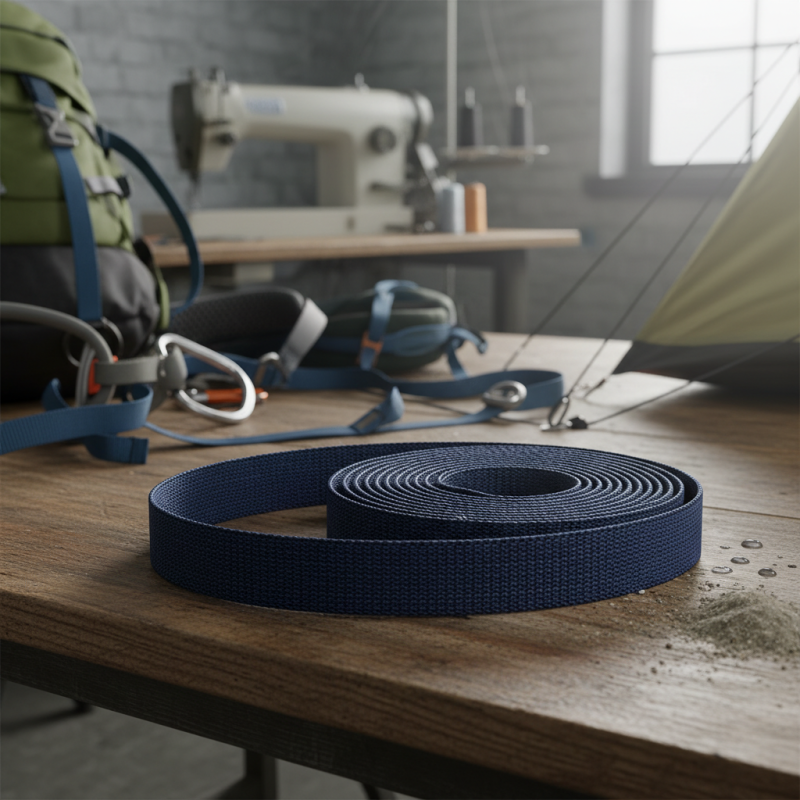
When considering materials for your next project, Polyester Webbing stands out as a strong contender. Its versatility makes it suitable for various applications, from outdoor gear to industrial uses. This webbing is known for its durability and resistance to moisture, UV rays, and abrasion. Many industries have successfully utilized Polyester Webbing, thanks to its reliability.
However, while Polyester Webbing is incredibly useful, it isn't perfect. Some might find it less affordable than other options. Additionally, improper storage can lead to degradation over time. Understanding the true potential of Polyester Webbing involves both appreciating its strengths and recognizing its limitations.
Consider how it can enhance your project. If you seek reliability and performance, this material may be your best choice. Reflect on the specific needs of your project. Choosing Polyester Webbing could be the key to successful outcomes.
Benefits of Polyester Webbing in Various Applications
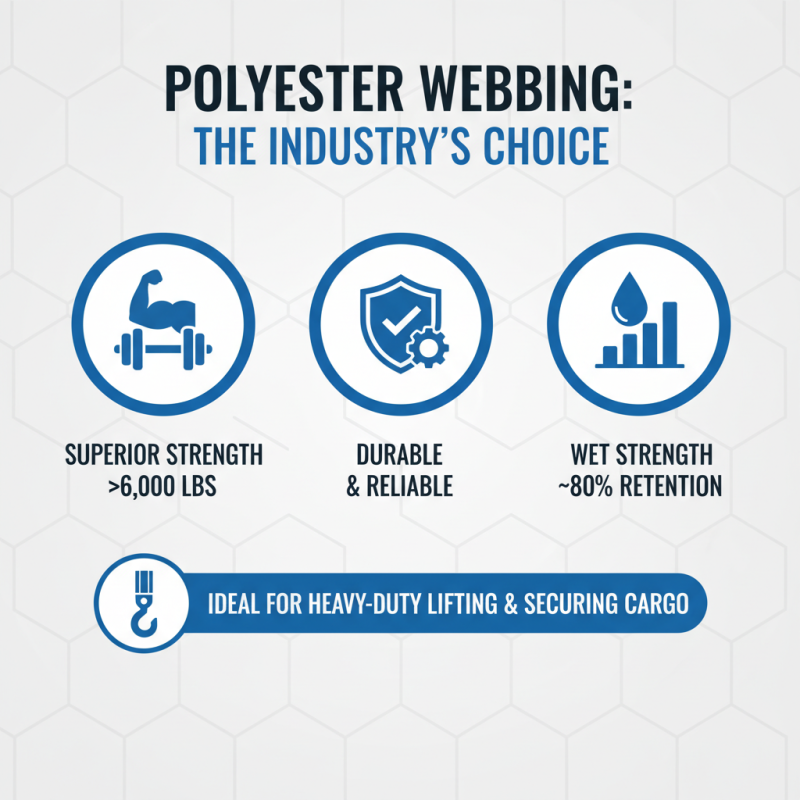
Polyester webbing is becoming a preferred choice in many industries. Its strength and durability are significant benefits. For instance, polyester webbing can have a tensile strength of over 6,000 pounds. This makes it ideal for heavy-duty applications such as lifting and securing cargo. A study found that polyester can maintain about 80% of its strength when wet, outperforming many other materials.
In outdoor settings, polyester webbing shows excellent resistance to UV rays. This feature is crucial for products exposed to sunlight. According to industry reports, polyester materials can endure extended wear without degrading significantly. Moreover, they resist mildew and mold better than alternatives like nylon. However, the webbing can weaken under extreme conditions, so users must assess their specific needs closely.
Applications extend from climbing and military uses to everyday items like backpacks and straps. Many users have noticed the webbing's versatility across different projects. Some have pointed out that while polyester is strong, ensuring the right width and thickness is key. Choosing the wrong type can lead to unexpected failures. Data indicates that 30% of users experience issues when specifications are not followed. Understanding these nuances is critical for successful outcomes.
Comparative Durability: Polyester vs. Other Materials
When considering materials for projects, durability is key.
Polyester webbing stands out among its counterparts.
It's incredibly strong and resistant to wear and tear.
Unlike nylon, which can stretch over time, polyester maintains its shape.
This makes it ideal for applications requiring stability,
such as outdoor gear or vehicle tie-downs.
Moreover, polyester is less prone to UV damage than other materials.
This ensures that it won’t weaken quickly under the sun.
In contrast, some natural fibers might degrade with prolonged sunlight exposure.
However, polyester webbing isn’t perfect; it can sometimes feel stiff or rigid.
Users often need to reflect on how this affects usability in their specific applications.
Additionally, polyester can absorb moisture,
which may be an issue in wet conditions.
While this doesn’t directly compromise its strength, it can lead to mold growth
if not properly maintained. This potential drawback requires careful consideration.
Users should weigh the convenience of polyester against the practical challenges it may present in specific environments.
Cost-Effectiveness of Polyester Webbing for Projects
Polyester webbing stands out as a cost-effective choice for various projects. Its durability and resistance to abrasion make it ideal for outdoor use. Many people might overlook these features in favor of cheaper options. However, the longevity of polyester can save money in the long run. Projects that require reliable support benefit immensely from this material.
Choosing polyester means investing in strength. It can withstand harsh weather, unlike some alternatives that degrade quickly. This durability often offsets initial lower prices of other materials. Yet, one should consider the specific project needs. Sometimes, cheaper options seem tempting, but they may need frequent replacements.
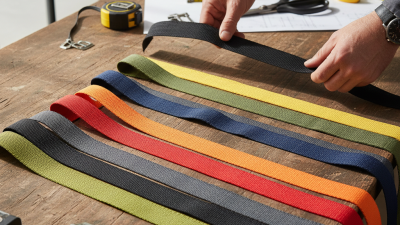
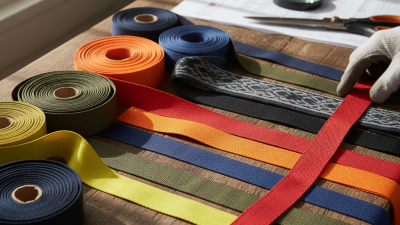
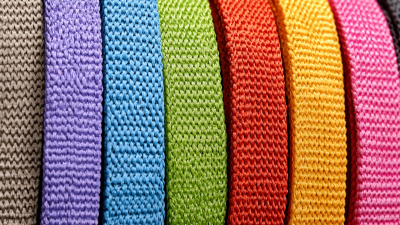
Furthermore, polyester webbing can be custom-made for various applications. It can be dyed in different colors, adding a unique touch to your project. While the initial costs may be higher than some choices, the potential savings through reduced replacements is notable. It's essential to weigh these factors when selecting webbing for your next endeavor.
Versatility of Polyester Webbing in Different Industries
Polyester webbing is remarkably versatile, making it suitable for a variety of industries. In outdoor recreation, it serves as durable straps for tents and backpacks. Strong yet lightweight, it can withstand harsh weather conditions. Many appreciate its resistance to UV rays and mildew, enhancing longevity.
In construction, polyester webbing proves valuable for lifting and securing materials. It can handle significant loads without stretching. However, users must ensure that the webbing is correctly rated for the weights involved. Choosing the right thickness is often a point of confusion. Sometimes, people overlook this aspect, which may lead to safety concerns.
In automotive applications, polyester webbing is frequently used in seat belts and tie-down straps. This offers a blend of safety and reliability. Users often love the vibrant colors available. Yet, some may hesitate, unsure of the best choice for their specific needs. By understanding these use cases, we can make more informed decisions in our projects.
Why Choose Polyester Webbing for Your Next Project? - Versatility of Polyester Webbing in Different Industries
| Industry |
Application |
Benefits |
Color Options |
Load Capacity |
| Outdoor Recreation |
Hiking Gear |
Lightweight, Durable |
Multiple Colors |
500 lbs |
| Transportation |
Cargo Straps |
High Strength, Weather Resistant |
Custom Colors |
2000 lbs |
| Industrial |
Safety Harnesses |
High Durability, Fire Resistant |
Bright Colors for Visibility |
3000 lbs |
| Fashion |
Bags and Accessories |
Stylish, Versatile |
Trendy Colors |
Varies by Design |
| Aerospace |
Seat Belts |
Lightweight, Strong |
Standard or Custom |
1500 lbs |
Environmental Impact and Sustainability of Polyester Webbing
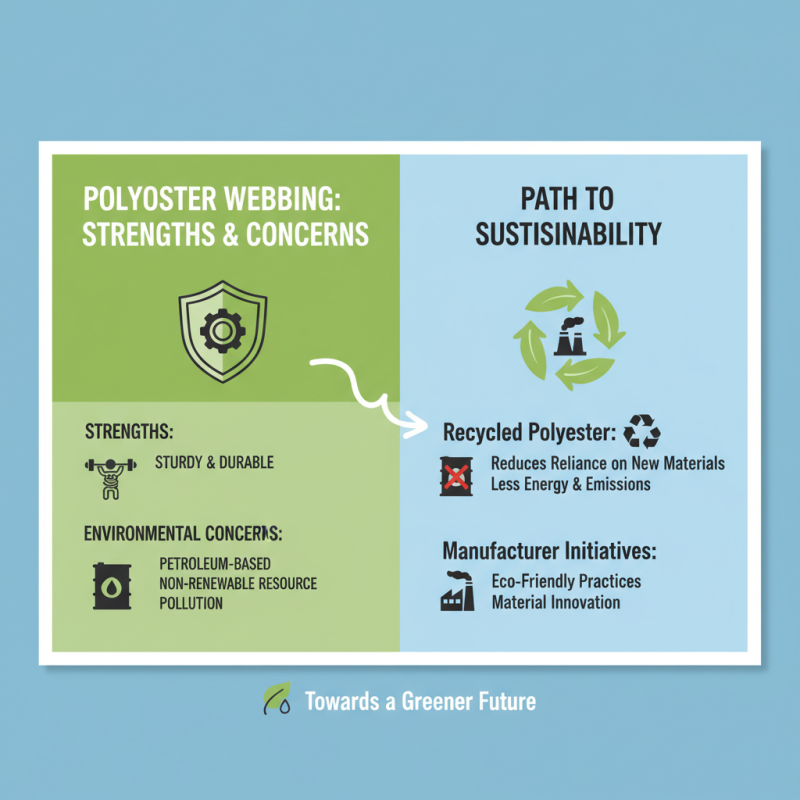
Polyester webbing has gained attention for its sturdy qualities and versatility. Its environmental impact, however, raises concerns. The production of polyester involves petroleum, a nonrenewable resource. While this raises significant issues, manufacturers are beginning to explore more sustainable practices. Many are now focusing on recycled polyester, reducing the reliance on new materials.
Recycled polyester uses plastic bottles and other waste. This repurposing process mitigates landfill contributions and decreases greenhouse gas emissions. However, not all recycled options are created equal. Some may still undergo processes that are harmful to the environment. It is essential to carefully examine sourcing and production methods when selecting polyester webbing for projects.
Moreover, polyester does not biodegrade easily. It can linger in landfills for years. This durability comes at a cost, reminding users to reflect on their choices. While polyester offers practical benefits, considering its long-term environmental footprint is crucial. Balancing efficiency with sustainability can lead to more conscious decisions in future projects.