How to Choose the Right Synthetic Sling for Your Needs?
When it comes to choosing the right synthetic sling, the process can seem overwhelming. According to industry expert Johnathan Hayes, “Selecting the correct synthetic sling is crucial for safety and efficiency.” His insight underscores the importance of making an informed choice.
Synthetic slings come in various materials and configurations. They are used in lifting applications across different industries. Each type of sling has unique features and capabilities. Understanding these differences is vital for maximizing performance.
Many users make common mistakes when selecting synthetic slings. They overlook load limits or environmental factors. These oversights can lead to accidents or equipment damage. It’s essential to engage with professionals and gather information before making a choice. Choosing wisely can prevent costly errors and ensure effective lifting solutions.
Understanding Different Types of Synthetic Slings Available in the Market
When choosing synthetic slings, it’s vital to understand the various types available in the market. Most commonly, you’ll encounter nylon and polyester slings. Nylon slings have a higher stretch capacity, making them ideal for dynamic loads. In contrast, polyester slings are less stretchy and provide more stability under load. According to industry reports, about 70% of users prefer polyester due to its excellent resistance to UV degradation.
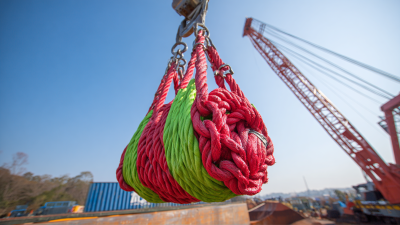
Another popular option is the round sling. These slings are made from woven fibers, providing flexibility and reducing the risk of damage to the load. A report from the Sling Manufacturers Association highlights that round slings account for nearly 30% of the market share. Properly choosing a sling means assessing your specific needs, like the weight of the load and the environment. Note that some synthetic slings may not perform well in extreme temperatures.
In the quest for the right choice, ensure to evaluate the load capacity versus the actual weight. Overestimating can lead to accidents. It’s also essential to consider the lifetime of the sling. Some materials may wear out faster than expected. Data shows that improper use and lack of inspection decrease a sling’s lifespan by 40%. This fact underscores the importance of making informed decisions.
How to Choose the Right Synthetic Sling for Your Needs?
This chart illustrates the distribution of different types of synthetic slings available in the market based on their usage. Understanding these types can help in choosing the right sling for specific needs.
Identifying Your Specific Lifting Needs and Requirements
When selecting a synthetic sling, understanding your specific lifting needs is crucial. Consider the weight of the items you plan to lift. Are they heavy or light? Sling capacities vary, and it’s essential to match the sling’s strength with your requirements. Evaluate the environment as well. Will the sling be used outdoors or indoors? Sometimes, materials behave differently when exposed to UV light or moisture.
Take time to think about the shape and size of the loads. Irregular shapes may need specialized slings for balance. Height is also a factor. High lifts require different sling lengths and configurations. It’s a learning process. You might not always choose the perfect sling on your first try. Adjusting and refining your choice helps you understand what works best for your operations.
Don’t forget about safety. Each type of sling comes with unique limits and working loads. Always check the manufacturer’s guidelines, but common sense matters too. Reflect on past experiences, even mistakes. They teach valuable lessons. Consider consulting with a knowledgeable source if you're unsure. Addressing these specific lifting needs ensures efficiency and safety in all your lifting tasks.
How to Choose the Right Synthetic Sling for Your Needs?
| Sling Type |
Weight Capacity (lbs) |
Length (ft) |
Material |
Application |
| Flat Sling |
8,000 |
10 |
Polyester |
General Lifting |
| Round Sling |
5,400 |
8 |
Nylon |
Lifting Cylindrical Objects |
| Web Sling |
6,600 |
12 |
Polyester |
Heavy-Duty Lifting |
| Eye & Eye Sling |
7,300 |
15 |
Nylon |
Construction & Rigging |
| High-Visibility Sling |
4,000 |
6 |
Polyester |
Outdoor Use |
Factors to Consider When Selecting a Synthetic Sling
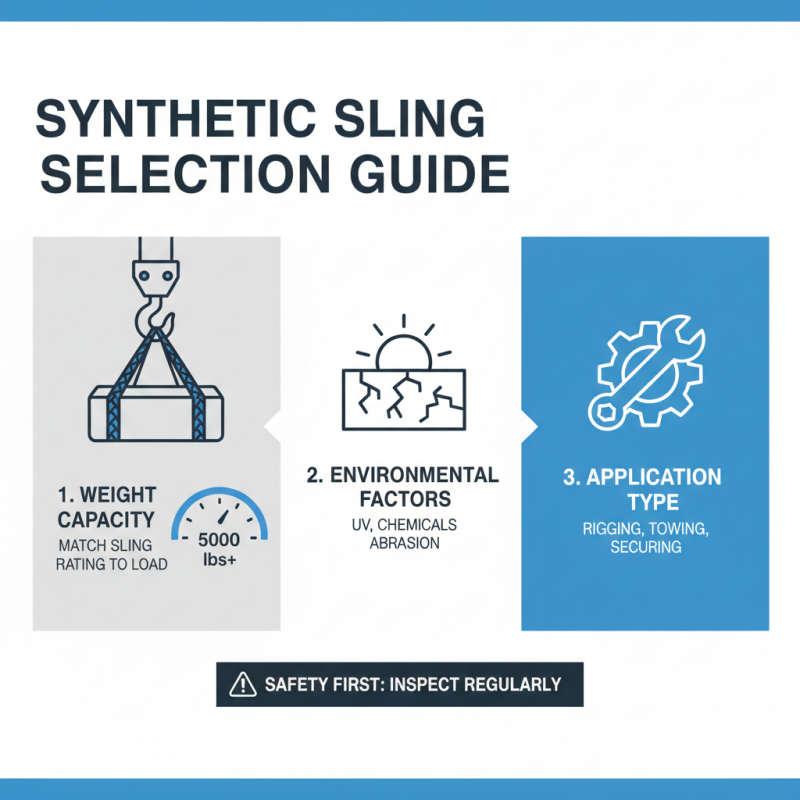
When selecting a synthetic sling, various factors play a crucial role. The weight capacity is paramount. Reports indicate that slings with higher load ratings offer better safety margins. Assess your lifting needs carefully. A sling rated for 5,000 pounds might not suit all applications. Consider the environment, too; UV exposure can weaken specific materials over time.
Another important aspect is the type of fibers used. For instance, common materials include polyester and nylon. Polyester slings are resistant to UV rays, making them ideal for outdoor use. On the other hand, nylon offers excellent flexibility but can degrade under UV exposure. Remember, mismatching materials with environment can lead to failure.
Tips: Always inspect your slings for wear and tear before use. Look for frayed edges or discoloration, which may indicate a loss of strength. Also, think about your lifting methods. Using the right techniques can prolong the life of your synthetic slings. Ultimately, choose wisely to prevent potential mishaps that could have been avoided.
Evaluating Load Capacity and Safety Ratings of Synthetic Slings
When selecting a synthetic sling,
evaluating load capacity and
safety ratings is crucial.
Load capacity indicates the maximum weight a sling can bear.
It’s essential to choose a sling that exceeds your maximum load.
Safety ratings offer insight into the sling’s reliability.
A higher safety factor provides more peace of mind.
Consider the specific application of the sling.
Are you lifting something heavy? Or perhaps delicate machinery?
This influences your choice. Remember, a sling might look good but still fail under stress.
Always check the manufacturer’s specifications.
Tips:
Regularly inspect slings for signs of wear or damage.
If a sling has frays or cuts, it’s time to replace it.
Training is vital too. Ensure all operators understand the sling’s capabilities.
Misuse can lead to accidents,
even with strong slings.
Never compromise on safety
when it comes to lifting tasks.
Maintenance and Care Tips for Synthetic Slings to Ensure Longevity
Maintenance is crucial for synthetic slings. Regular inspections help identify wear and tear. Look for frays, cuts, or discoloration. If you notice any signs of damage, it’s best to retire the sling. This ensures safety and reliability during use.
Cleaning is also essential. Most synthetic materials can be washed with mild soap and water. Avoid harsh chemicals as they can degrade the fibers. After washing, let the sling air-dry completely. Keep it away from direct sunlight to prevent UV damage.
Proper storage is another key aspect. Store slings in a cool, dry place. Avoid storing them in damp areas. Over time, moisture can lead to mold growth. Remember, neglect can shorten the life of your sling. Regular care will help ensure it serves you well.