How to Choose the Best Nylon Sling for Your Needs?
Choosing the right Nylon Sling is crucial for safety and efficiency in various applications. According to industry expert John Matthews, "The right sling makes all the difference in load handling." This statement underscores the importance of understanding your specific needs before making a selection.
Nylon slings are versatile. They offer strength and reliability, yet not all slings are created equal. Users must consider factors such as load capacity, length, and environment. Overlooking these details can lead to dangerous situations. For instance, using an inadequate sling for heavy loads might result in accidents.
Reflecting on your experiences is important. Have you ever faced challenges due to the wrong sling choice? Take time to evaluate your options carefully. By considering expert advice and real-world situations, you can ensure that your choice of Nylon Sling will meet both safety and efficiency standards.
Understanding Different Types of Nylon Slings Available in the Market
When selecting a nylon sling, it's essential to recognize the various types available. Flat slings are versatile and ideal for various lifting needs. Their low profile allows for easy handling and storage. However, they can be susceptible to cuts or abrasions, which require regular inspection.
Round slings, on the other hand, feature a continuous loop design. This structure provides more flexibility and resilience, making them suitable for heavy loads. Still, users must consider their surroundings. If the sling comes into contact with sharp edges, it may wear down faster than expected.
Another option is the webbing sling. These slings are lightweight and easy to carry, perfect for smaller loads. However, they offer less protection than round slings. Choosing the right type involves analyzing your specific lifting environment. Each sling type has benefits and drawbacks that must be considered.
Comparison of Different Types of Nylon Slings
Assessing Load Capacity and Strength Requirements for Your Nylon Sling
Choosing the right nylon sling requires careful consideration of load capacity and strength. Understanding these factors is crucial for safe lifting operations. Start by assessing the maximum weight you intend to lift. Each nylon sling has a unique load rating, defined by its construction and material. It's essential to select a sling that can comfortably handle your needs, as an undersized sling can lead to failure and accidents.
When evaluating strength requirements, consider the working load limit (WLL) of the sling. This figure indicates how much weight the sling can safely carry. For added safety, always choose a sling with a WLL greater than the anticipated load. Additionally, think about the lifting conditions—will the sling be exposed to sharp edges or extreme temperatures? These factors can affect the sling's integrity.
**Tips:** Always inspect your nylon sling for signs of wear. Look for frays, cuts, or discoloration. Regular maintenance boosts longevity. Keep the load balanced when lifting to distribute weight evenly. This approach reduces stress on the sling, enhancing safety. Remember, your safety depends on understanding the equipment you're using. Taking the time to assess load capacity will pay off in operational safety.
Evaluating Design Features: Width, Length, and Stitching of Nylon Slings
When selecting a nylon sling, it's crucial to evaluate specific design features like width, length, and stitching. The width of the sling impacts its load-bearing capacity. A wider sling distributes weight more evenly, reducing the risk of wear and tear. According to a study by the Industrial Materials Institute, slings that are 4 inches wide can carry more than double the load of a 2-inch sling.
Length is another vital aspect. A longer sling provides more flexibility in positioning, while a shorter one may offer better control for specific tasks. This can affect safety when lifting heavy objects. It’s also worth noting that inadequate sizing can lead to slippage or mishandling, highlighting the importance of careful measurement prior to selection.
Stitching quality is often overlooked but can significantly affect durability. Research reveals that slings with reinforced stitching can withstand greater stress and last longer. However, without proper inspection, flaws in stitching may go unnoticed, ultimately leading to failures during use. Ensuring compliance with industry standards is essential for maximizing reliability and safety.
How to Choose the Best Nylon Sling for Your Needs? - Evaluating Design Features
| Feature |
Option 1 |
Option 2 |
Option 3 |
| Width |
1 inch |
1.5 inches |
2 inches |
| Length |
4 feet |
6 feet |
8 feet |
| Stitching Type |
Double Stitch |
Reinforced Stitch |
Single Stitch |
| Weight Capacity |
2000 lbs |
3000 lbs |
4000 lbs |
| Safety Rating |
Approved |
Approved |
Not Approved |
Choosing the Right Nylon Sling: Safety Standards and Certifications
When selecting a nylon sling, understanding safety standards is crucial. These standards guide manufacturers in creating reliable products. Look for slings that meet international safety certifications. This ensures they can withstand the demands of various tasks. Additionally, certified slings often come with detailed specifications. You need to know the maximum load limit. Using a sling beyond its rated capacity is not just unwise; it can be dangerous.
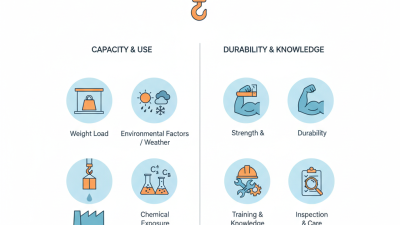
Consider also the material quality. High-quality nylon offers better durability and resistance. We often see slings that fray or wear out quickly. Regularly inspect your sling for signs of wear. Small issues can lead to significant problems if ignored. Reflect on your specific usage and needs. Each task may require a different kind of nylon sling. Be aware of your environment too; exposure to chemicals can weaken some materials.
Training on proper use is often overlooked. Educate yourself and your team about safe practices. Many accidents happen due to misunderstanding the equipment. Simple guidelines can prevent mishaps. Involving everyone in safety discussions emphasizes the importance of compliance. Ultimately, your choice will hinge on balancing quality, standards, and real-world application.
Considering Environmental Factors: Usage Conditions and Care of Nylon Slings
When selecting a nylon sling, it's crucial to consider the environmental factors affecting its performance. Nylon slings can react differently based on exposure to moisture, UV rays, and extreme temperatures. Moisture can weaken nylon, leading to potential failures during use. In contrast, UV exposure can degrade the fibers over time. Always inspect your slings for any signs of wear and tear after outdoor use.
Tips for ensuring longevity:
- Store your slings in a cool, dry place, away from direct sunlight.
- Regular cleaning can also help maintain their integrity.
- Use mild soap and water for cleaning and allow them to air dry completely before storage.
Consider the conditions in which you'll be using the slings. Will they be exposed to rough surfaces or abrasive materials? If so, look for slings designed to withstand such conditions. It's essential to reflect on your specific needs and usage scenarios. A thorough evaluation can prevent future issues. The right choice can greatly enhance safety and reliability in your operations.