How to Choose the Right Polyester Webbing for Your Needs?
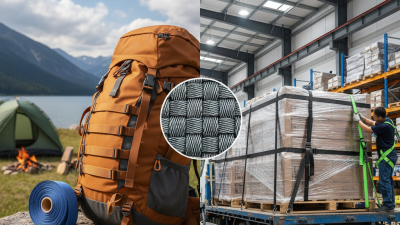
Choosing the right polyester webbing is crucial for a variety of applications. According to market reports, the global webbing industry is projected to reach $5 billion by 2025. Polyester webbing is valued for its durability, strength, and resistance to UV rays. It's widely used in outdoor gear, lifting equipment, and automotive straps, making it essential to select the right type for your specific needs.
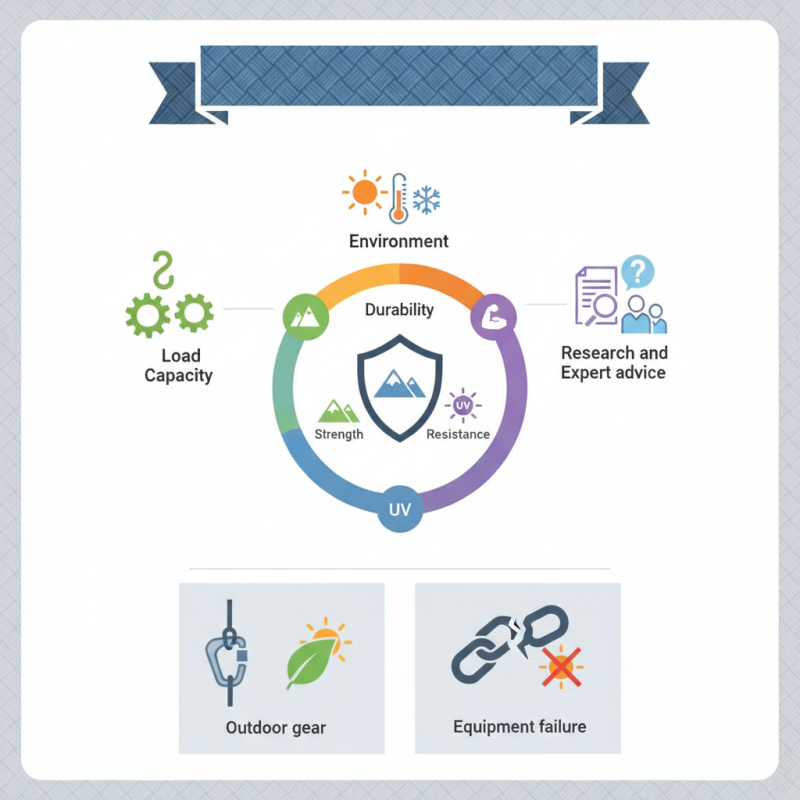
When evaluating polyester webbing, consider factors like load capacity and environment. For example, some types can withstand extreme temperatures while others may not perform well in direct sunlight. Surprisingly, not all webbing is created equal. Some products might claim high strength but fail under stress tests. Data shows that improper choices can lead to equipment failures.
It's important to research and ask questions. Not everyone understands the nuances that differentiate polyester webbing options. Without the right information, your selections could compromise safety. Be aware of the specifications, and don't hesitate to seek expert advice. Your choice of polyester webbing could significantly impact the outcome of your project.
Understanding the Basics of Polyester Webbing Materials
Polyester webbing is a versatile material used in various applications, from outdoor gear to industrial use. Understanding its basic properties helps in selecting the right type for your needs. Polyester is known for its strength and durability. It can withstand heavy loads while maintaining superior resistance to wear and tear. This makes it ideal for straps and harnesses.
When choosing polyester webbing, consider factors like thickness and width. Thicker webbing is usually stronger but may be less flexible. Think about the type of use. Will it be exposed to moisture? Some polyester webbing has water-resistant properties. In that case, it might be the better choice.
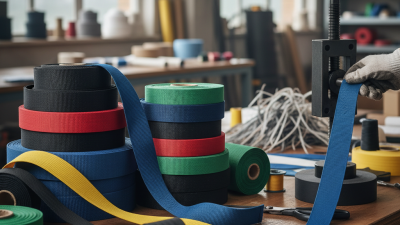
Colors and patterns also matter. A bright color can enhance visibility, which is vital for safety. However, remember that darker colors may fade over time due to sun exposure. It’s essential to weigh aesthetics against practicality. Choose wisely, as the right webbing can significantly impact your project’s success.
Understanding the Strength of Different Polyester Webbing Types
Identifying Your Specific Needs and Applications
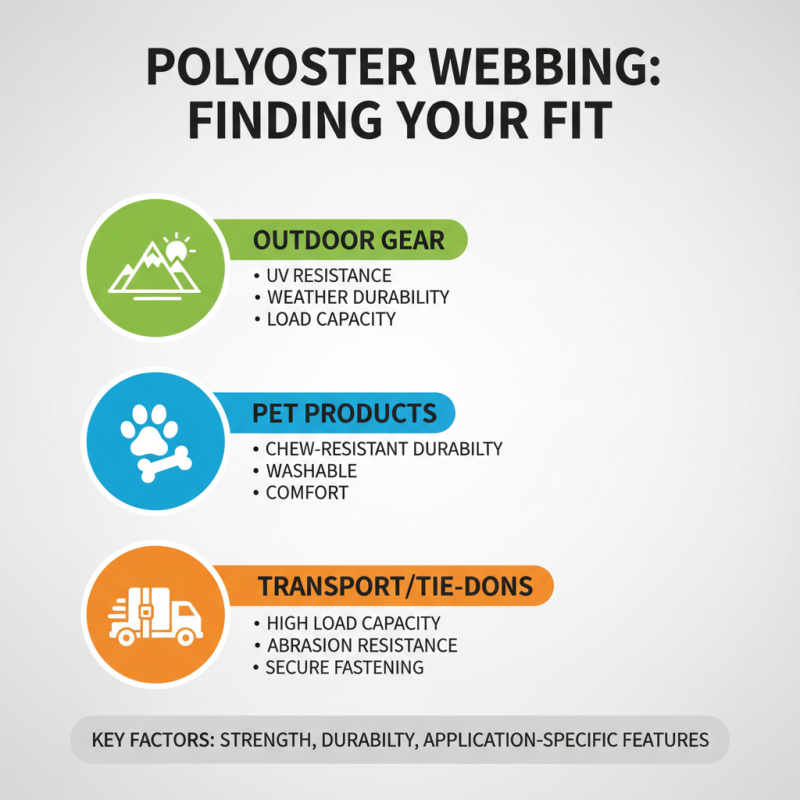
When selecting polyester webbing, understanding your specific needs is crucial. Consider the application you have in mind. Are you using it for outdoor gear, pet products, or transport? Each use has different demands. Load capacity, UV resistance, and durability are key factors. For example, outdoor applications need UV-resistant materials. Pets can chew, so durability is essential.
Next, think about width and thickness. A wider webbing may distribute weight better but can be bulkier. If you need something light, thinner options exist. However, ensure it won’t compromise strength. It’s a balance between comfort and functionality. Sometimes, testing a few types can reveal what fits best. Don’t shy away from trying different styles. Mistakes often lead to better choices in the future.
Taking all these factors into account can be overwhelming. Each choice might leave you questioning if it’s the right one. Reflecting on past experiences helps, though. Perhaps a webbing that failed in one job may shine in another. Trust your instincts, while remaining open to change.
Evaluating Strength, Durability, and Weather Resistance
When selecting polyester webbing, evaluating strength, durability, and weather resistance is vital. The tensile strength of polyester webbing often exceeds 2,000 pounds for wider options. This high strength ensures that the webbing can handle heavy loads without breaking. However, not all polyester webbing is the same. Variations in weave pattern can affect overall strength. Users should consider their specific application to determine the appropriate weight capacity.
Durability is another key factor. Polyester is resistant to UV rays and moisture, but it is not impervious to wear. Studies show that webbing exposed to harsh sunlight for extended periods loses around 10% of its strength annually. This can be problematic for outdoor applications. Regularly inspecting the webbing for signs of fraying or color fading is essential. Minor damages may lead to significant failures over time.
Weather resistance is crucial for outdoor use. Polyester handles rain well but can absorb water, leading to mold. In colder climates, the webbing might become stiff. Users should understand the environment where the webbing will be used. By doing so, they can choose the right type that withstands various weather conditions effectively. Remember, no webbing is perfect, and ongoing evaluation is necessary for safety and reliability.
Comparing Different Types of Polyester Webbing
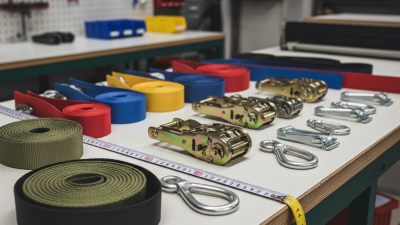
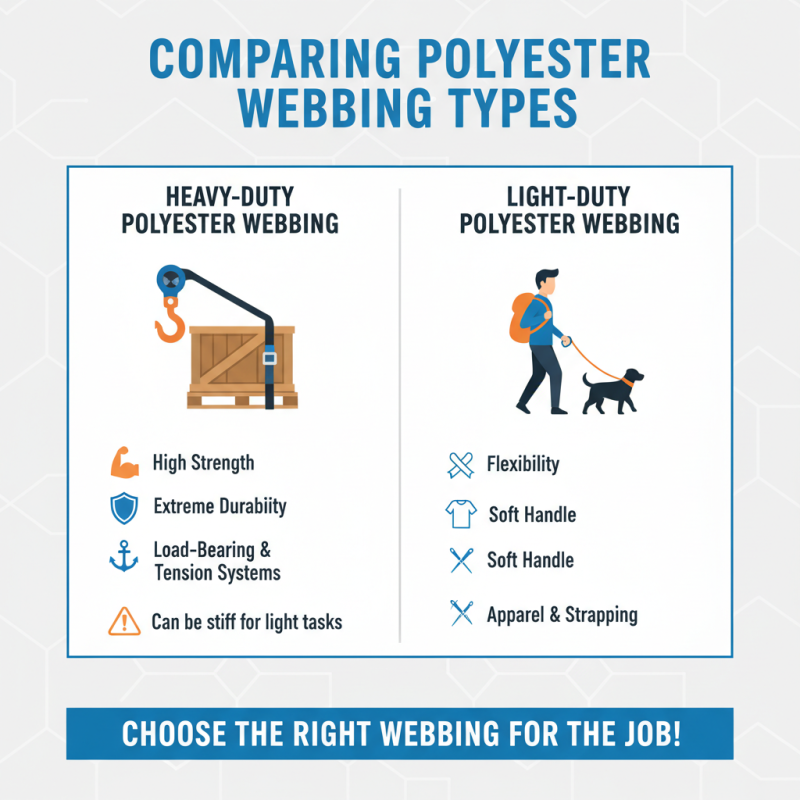
Choosing the right polyester webbing can be a challenge. There are several types available, each designed for specific applications. For instance, heavy-duty polyester webbing is ideal for tension systems and load-bearing applications. It offers excellent strength and durability. However, some users may find it too stiff for lighter tasks.
On the other hand, lighter polyester webbing is more flexible. It works well for lighter loads and is often easier to handle. Many people prefer this type for crafting or DIY projects. But, it’s essential to ensure that the webbing meets the load requirements. Sometimes, users underestimate the weight capacity and face issues later.
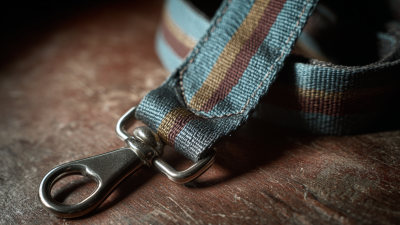
Color and texture also matter. Bright colors can be useful for visibility in outdoor conditions, while softer textures are comfortable against the skin. However, some colors may fade over time. This can be disappointing for those looking for long-lasting aesthetics. Each type has its pros and cons, and understanding them can guide you to the right choice.
Making an Informed Purchase: Sourcing and Quality Factors
When sourcing polyester webbing, quality is a paramount consideration. A variety of factors come into play, from material strength to weave density. According to recent industry reports, high-quality polyester webbing boasts a tensile strength ranging from 1,000 to 6,000 pounds. This variability indicates a need for careful assessment based on your specific application.
One must also consider the width and weight of the webbing. Wider straps can distribute weight more evenly, improving safety during use. However, they may be bulkier and harder to handle. A study by the American Society for Testing and Materials highlights that webbing with a weight rating below 1 inch typically supports less than 1,500 pounds. This is critical information when choosing the right webbing for heavy-duty applications.
Additionally, inspection of the weaving pattern is essential. A tighter weave enhances durability and reduces the chances of fraying. Interestingly, low-quality webbing can be less expensive, but this often leads to greater costs in the long run. Investing in stronger, well-made webbing ensures longevity, ultimately saving money. It’s important to weigh initial savings against potential future expenses.