How to Choose the Best Webbing Strap for Your Needs?
Selecting the right webbing strap can significantly impact your project. A webbing strap is crucial for strength and versatility in various applications, from outdoor gear to industrial use. According to the latest industry report, the global market for straps is projected to reach $825 million by 2025, driven by increasing demand in different sectors.
Many users overlook the specific requirements of their tasks when choosing. Factors like load capacity, material durability, and environmental conditions play an essential role. For instance, nylon offers high tensile strength, while polyester excels in UV resistance. Understanding these differences can prevent failures.
However, not all options are equally suited to every need. Misalignment between strap features and user requirements can lead to inefficiencies. This highlights the importance of careful consideration and research. Ultimately, investing time in choosing the best webbing strap ensures safety and performance in your projects.
Understanding Different Types of Webbing Straps Available in the Market
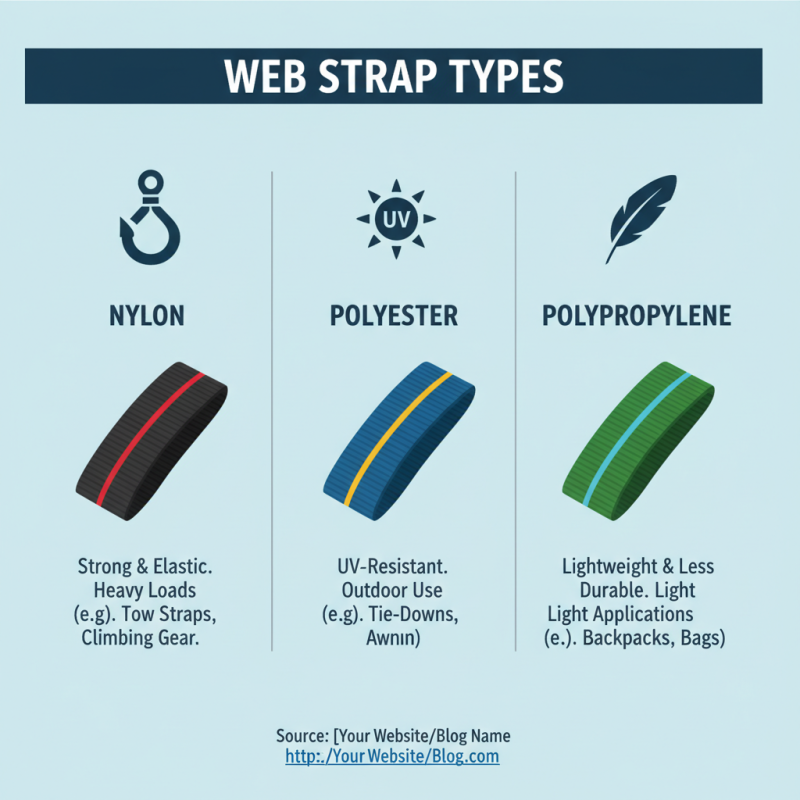
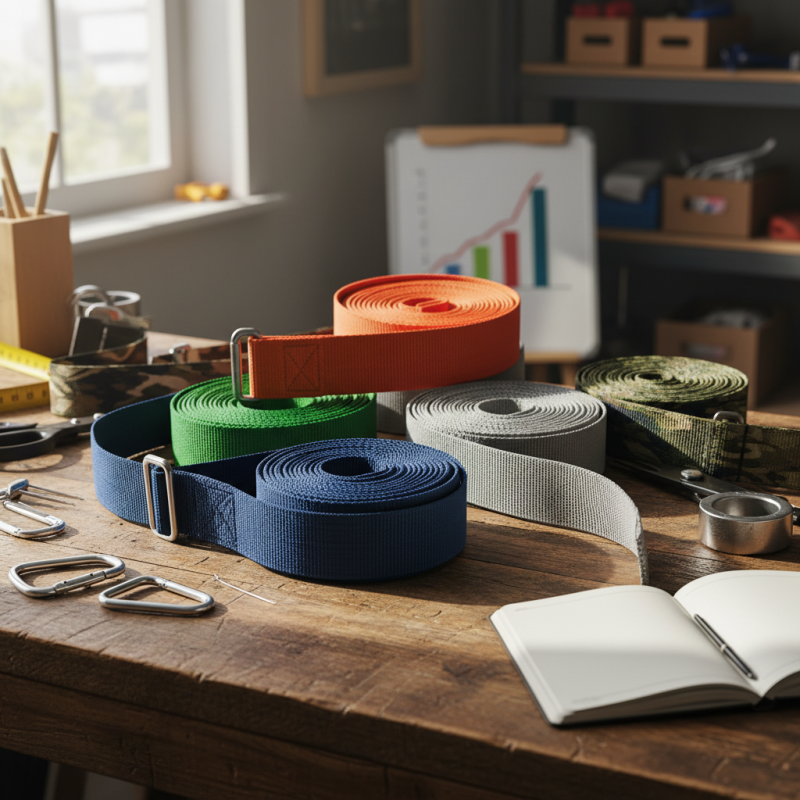
When exploring different types of webbing straps, it’s essential to understand their distinct features. You’ll find nylon, polyester, and polypropylene options widely available. Nylon is strong and elastic, making it suitable for heavy loads. Polyester is UV-resistant, perfect for outdoor use. Polypropylene is lightweight but less durable, often used for lighter applications.
Consider the width and length of the strap. A wider strap distributes weight better and can reduce wear over time. Shorter straps are easy to handle, but longer ones provide more versatility. Remember, the stitching quality can affect performance. Poor stitching may lead to failure under tension, which can be concerning.
Evaluate your specific needs carefully. Are you using the strap for camping, securing loads, or perhaps crafting? Take time to test a few straps before committing. A quick trial can reveal much about their durability and usability. It’s worth noting that the perfect strap for one situation may not be ideal in another. Always keep your unique requirements in mind.
Key Factors to Consider When Choosing a Webbing Strap
Choosing the right webbing strap can be a challenge. You must consider several key factors. The width of the strap matters significantly. Wider straps distribute weight better. If the strap is too narrow, it might dig into surfaces. This can lead to discomfort and damage.
Next, think about the material. Common options include nylon, polyester, and polypropylene. Nylon is strong and resistant to abrasion but can absorb water. Polyester doesn’t stretch much and has UV resistance. Each material has pros and cons, and your choice should align with your specific needs. Also, consider the color and pattern. A brighter color can enhance visibility, especially in low-light situations.
Lastly, check the load capacity. Every strap has a weight limit, and exceeding it can cause failures. Look for signs of wear and tear regularly. It's easy to overlook but crucial for safety. A strap with frays may not hold weight securely. Balancing all these factors helps ensure you find a webbing strap that suits your needs. This requires careful thought and sometimes a bit of trial and error.
Evaluating the Strength and Durability of Webbing Materials
When selecting a webbing strap, the material's
strength and durability are crucial factors. Different webbing materials offer varying levels of
resistance to wear and tear.
Polyester is a common choice due to its high strength and low stretch.
It tends to withstand UV rays well, making it suitable for outdoor use.
However, it may not be the best for heavy loads over long periods.
Nylon is another popular option. It is highly flexible and strong, but it can weaken with exposure to sunlight.
This might lead to unexpected failures.
It’s essential to consider how often the strap will be used and in what conditions.
If a strap is going to be exposed to extreme weather, durability becomes even more critical.
It's also vital to evaluate the weight capacity.
Sometimes, users choose straps based on appearance rather than strength.
This can lead to unexpected issues. Aesthetic choices might override practical needs, resulting in straps that do not meet necessary specifications.
Understanding your needs and assessing the specifics of the material ensures better choices.
Don't overlook the importance of testing straps under realistic conditions.
This creates a more informed decision-making process.
Assessing the Width and Length Requirements for Your Application
When selecting a webbing strap, the width and length are crucial. The required width often depends on the intended use. A report from the Outdoor Industry Association indicates that straps used for heavy loads should be at least 1 inch wide. This helps distribute the weight more effectively, reducing strain on both the strap and the attachment points. For lighter applications, narrower options may suffice, but this can compromise safety.
Length is equally important. Users often underestimate how much length they need. According to a study by the National Safety Council, improper strap lengths can lead to accidents. It's vital to consider the load and how it will be secured. If the strap is too short, it may not hold the load securely. On the other hand, excessive length can cause tangling or excessive slack, which is a safety hazard.
When assessing your needs, think about the environment too. Outdoor conditions may wear out straps faster. The material, thickness, and weave all play roles in durability. Choosing the wrong dimensions can lead to frequent replacements. Reflect on your requirements before making a purchase. The wrong choice could end in disappointment.
Webbing Strap Width and Length Requirements
This bar chart illustrates the appropriate length requirements based on different webbing strap widths. When selecting a webbing strap for your application, it's crucial to consider both the width and length to ensure it meets your specific needs.
Comparing Cost vs. Quality in Webbing Strap Options
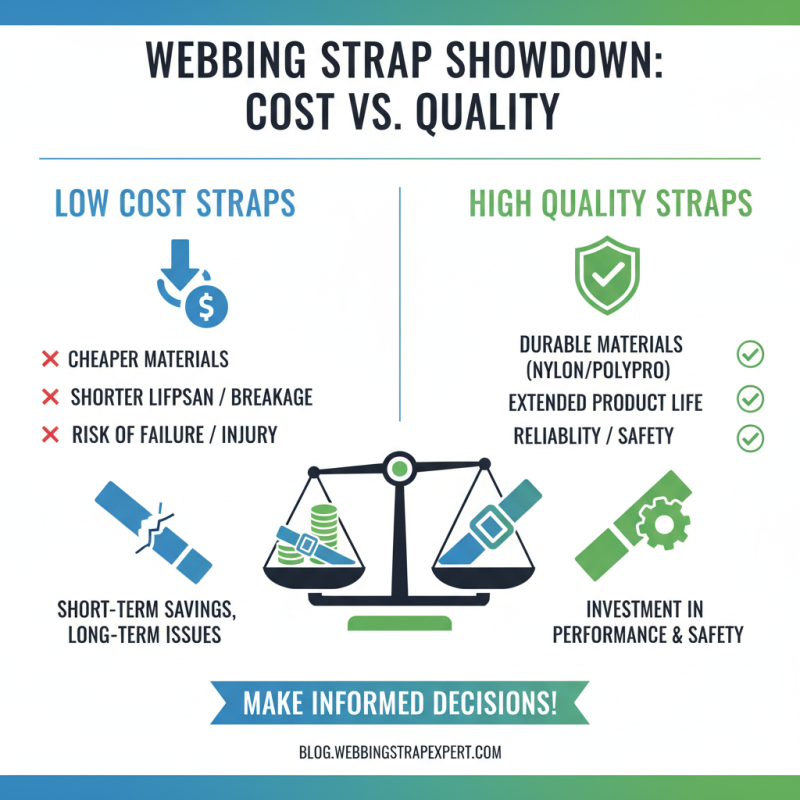
Choosing the right webbing strap can be challenging. You may find numerous options available. To make the best decision, consider both cost and quality. Many people focus on price, often overlooking quality indicators. Cheap straps might save money upfront but can lead to more problems later.
Quality webbing straps are usually made from durable materials. They ensure better performance, especially under stress. A well-made strap can withstand heavy loads without fraying or breaking. In contrast, lower-quality options may fail unexpectedly. That could result in damage or injury, which is never worth the initial savings. Reflect on the long-term benefits of a reliable strap.
Remember that not all high-priced items guarantee superior quality. Some expensive options may lack essential features. Do thorough research and read reviews. A mix of affordability and durability is crucial. Keep in mind that investing in a better strap now can result in fewer headaches down the line. Consider your needs carefully before making a choice. Your safety and satisfaction depend on it.