Top Lifting Sling Options for 2026 What to Choose?
When considering the best Lifting Sling options for 2026, it’s essential to understand the variety available. The right choice impacts safety and efficiency in lifting tasks. A Lifting Sling's design and materials play a crucial role in its performance.
Innovations in the industry continually shape these products. Users might focus on synthetic materials or traditional webbings. Each option comes with unique benefits. Many slings offer increased durability, while others prioritize lightweight designs. Choosing poorly could lead to safety risks or inefficiencies in operations.
Reflecting on past choices can guide future selections. Understanding specific needs, such as load size and environment, helps refine decisions. Preparation and knowledge can enhance lifting safety and effectiveness. The right Lifting Sling can make a significant difference; careful evaluation is key.
Top Lifting Sling Options for 2026: A Comprehensive Guide
When it comes to choosing lifting slings in 2026, there are numerous options available in the market. Selecting the right lifting sling is crucial for safety and efficiency in various industries. Always consider the type, load capacity, and material. Some common materials include nylon, polyester, and chain. Each material offers unique benefits and drawbacks.
Testing is essential. Ensure the lifting sling meets your specific requirements. Look for certifications that indicate industry standards. A lifting sling may wear out over time. Regular inspections for fraying or damage are critical. These checks help in assessing reliability.
The right lifting sling can vastly improve your lifting processes. However, choosing the wrong one can lead to costly accidents. Always consult with professionals who have experience in the field. Their insights can identify which slings suit your operational needs. Adapting to new technologies and practices is vital for continued improvement in safety and efficiency.
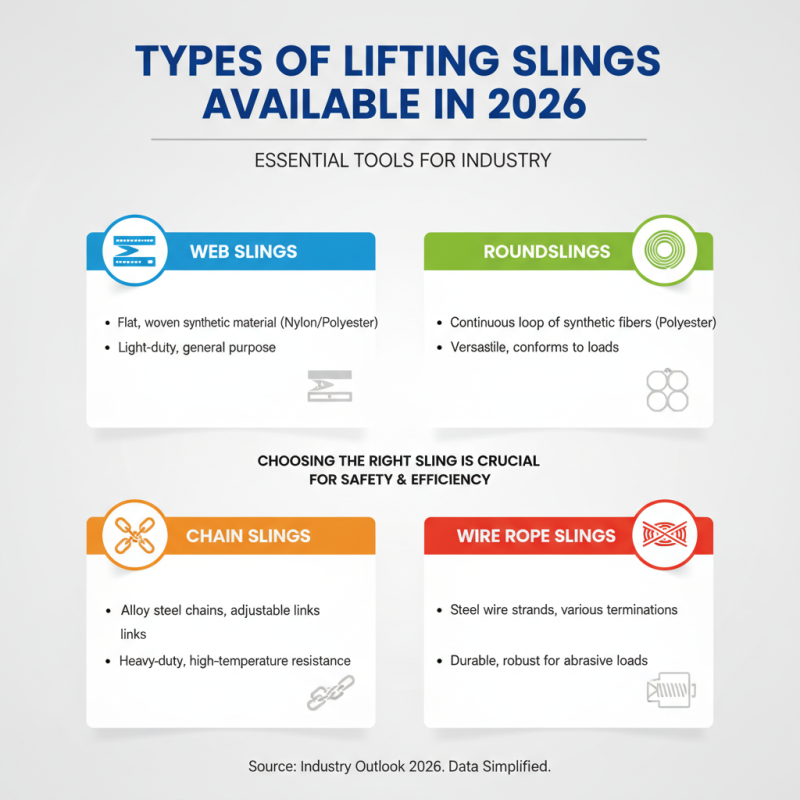
Types of Lifting Slings Available in 2026
Lifting slings are essential tools in various industries, each type designed for specific tasks. As we look ahead to 2026, understanding the available options is crucial.
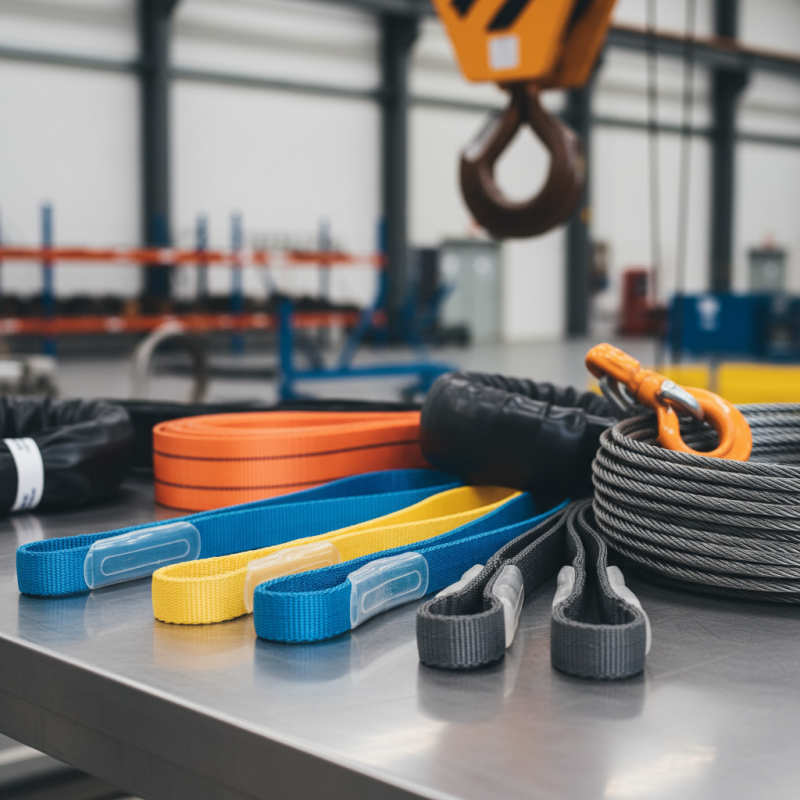
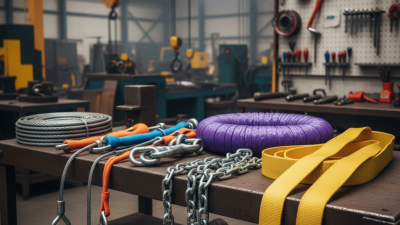
There are several types of lifting slings. Polyester and nylon slings are common due to their flexibility and durability. Chain slings offer strength for heavy loads, especially in industrial settings. Wire rope slings provide excellent support, especially in construction applications. Additionally, round slings are versatile, ideal for lifting irregular loads.
Tips: Always assess the weight and shape of your load. This will help you choose the right sling type. Regularly inspect slings for wear and damage. An unnoticed flaw can lead to serious accidents.
Understanding the industry’s shifting needs is vital. New materials may increase safety and performance. Nonetheless, relying solely on new tech without training can lead to misuse. Prioritize proper education on using lifting slings effectively.
Factors to Consider When Choosing a Lifting Sling
When selecting a lifting sling, safety and efficiency are key. Consider the type of materials used in the sling.
Synthetic fibers like nylon provide durability and flexibility. These materials are often resistant to
abrasion and UV light. Additionally, weight capacity is crucial.
Make sure the chosen sling can handle the load without risk.
Also, think about the design of the sling. Different types serve various needs. A flat sling
offers stability, while round slings are more versatile in tight spaces. Look at the
maintenance requirements as well. Regular inspections are necessary to avoid potential failures.
Flexibility is vital in some scenarios. Sometimes, you may need to lift
oddly shaped objects. The right sling will adapt to your needs. Pay attention to the manufacturer’s guidelines for safe use.
Recognizing the limitations of your chosen sling is essential. Always be cautious and proactive about
safety measures when lifting.
Safety Standards and Certifications for Lifting Slings
When selecting lifting slings, understanding safety standards and certifications is crucial. These guidelines ensure the slings can handle intended loads and minimize risk during use. Organizations like ANSI and OSHA provide standards that manufacturers must meet. Compliance with these standards guarantees reliability and safety in lifting operations.
Tips: Check the certification tags on slings before use. Ensure they are in good condition and match your specific lifting needs. Regular inspections can prevent accidents and equipment failure.
Choosing a sling that meets safety certifications isn't just a requirement—it's essential for operational safety. Make sure to review the specifications, including load capacity and type of material. Different applications may require different types of slings. Reflecting on previous experiences is important. If a sling failed in the past, analyze what went wrong and how to improve selection processes. Always prioritize safety over cost.
Future Trends in Lifting Sling Technology and Design
Lifting sling technology is poised for significant advancements in the coming years. Industry reports indicate that the global lifting sling market is expected to grow by over 6% annually. This growth reflects a shift towards lighter, stronger materials. The adoption of synthetic fibers, such as polyester and nylon, is already on the rise. They offer durability and reduced weight compared to traditional options.
Some recent innovations include smart lifting slings that integrate sensor technologies. These slings can monitor load weight and tension in real-time. They provide critical data to prevent overloads and enhance safety. However, challenges remain in standardizing these technologies across the industry. Not all users are trained to interpret the data these smart slings provide, raising concerns about their practicality.
We must consider the environmental impact of lifting sling production and disposal. Reports indicate that approximately 30% of slings end up in landfills. Eco-friendly materials are still underutilized in manufacturing. The industry must address sustainability more aggressively to align with emerging customer preferences. Future designs must balance safety, efficiency, and environmental responsibility. This balance is crucial as the industry heads toward 2026 and beyond.