2026 How to Choose the Best Fabric Sling for Your Needs?
Choosing the right fabric sling can be a daunting task. The market is flooded with options. Understanding your specific needs is crucial. A fabric sling is more than just an accessory. It provides support, comfort, and practicality.
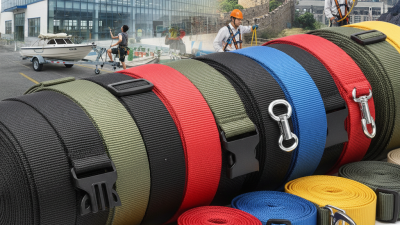
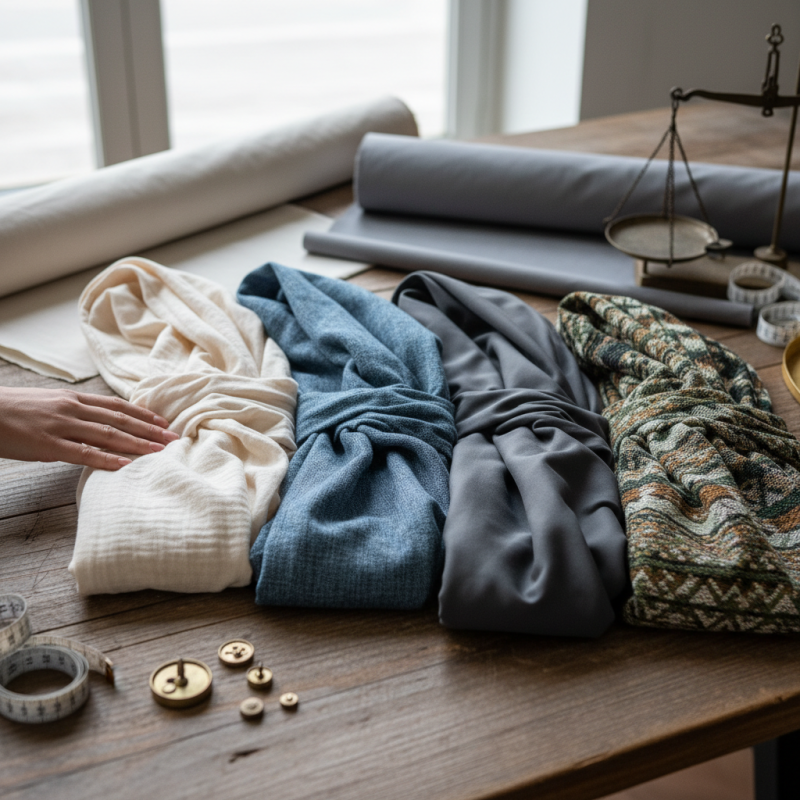
When selecting a sling, consider the intended use. Are you carrying a child or transporting gear? Different fabrics offer various textures and strengths. Cotton slings provide breathability, while synthetic options may offer more durability. It's important to evaluate how each fabric feels against your skin. This can impact comfort during extended use.
Do not overlook the importance of weight capacity. Each fabric sling has its limits. Ignoring this could lead to safety issues. Research is key. Reading reviews from real users can guide your decision. Remember, the best fabric sling is one that meets your unique requirements. Take the time to reflect on what you truly need. Making an informed choice will enhance your overall experience.
Consider Your Specific Use Case for Fabric Sling Selection
When selecting a fabric sling, consider your specific needs. Different scenarios require different features. For example, in medical applications, fabric slings must offer sufficient support without compromising comfort. According to industry studies, about 65% of healthcare facilities report challenges in choosing slings that fit diverse patient requirements. Prioritizing fit is crucial for safety and efficacy.
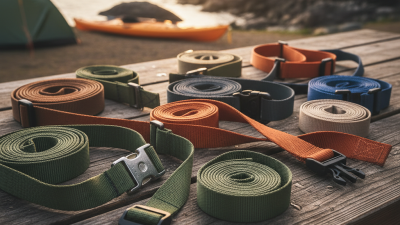
For recreational use, such as hiking or carrying equipment, the choice of fabric is vital. Lightweight yet durable materials often perform best in outdoor settings. A recent report highlighted that nearly 75% of outdoor enthusiasts prefer fabric slings that balance weight and strength. Be mindful, though; some fabrics may not withstand extreme weather conditions. Assess how often you’ll face such challenges.
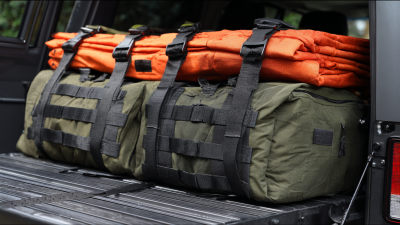
Identify the specific tasks required of your sling. Are you transporting delicate items or carrying weight? Each use case points to different fabrics. While polyester may resist wear, cotton provides breathability. A survey found that 55% of users were dissatisfied with slings that did not meet their personalized needs. Reflect on feedback to ensure your choice supports your unique activities.
Evaluate Material Types and Their Properties for Durability
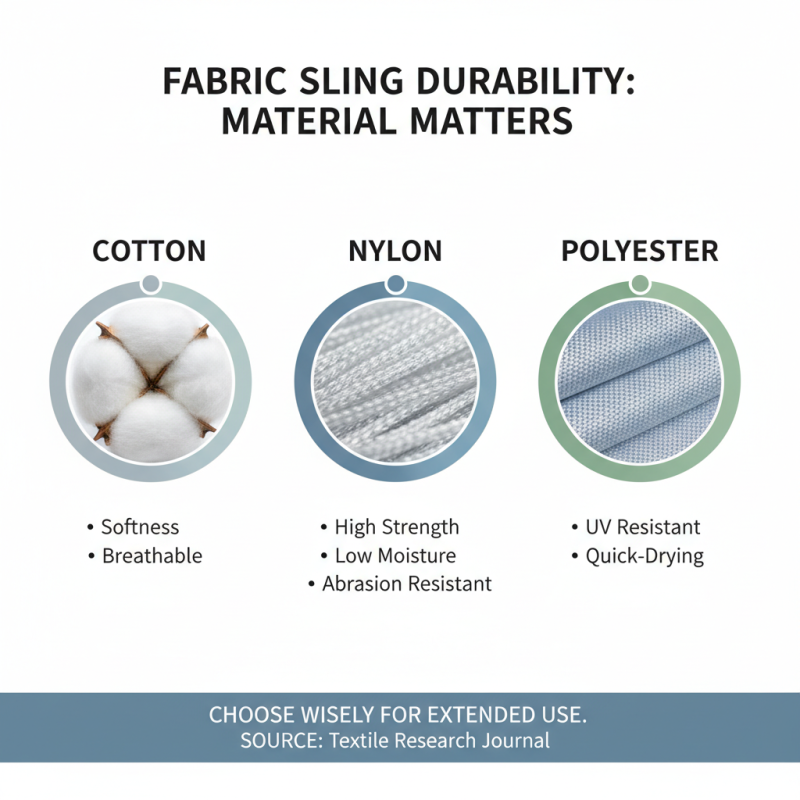
When choosing a fabric sling, material types play a crucial role in durability. Options such as cotton, nylon, and polyester all have unique properties. For instance, a report from the Textile Research Journal highlights that Nylon is known for its high strength and low moisture absorption. It also offers excellent resistance to abrasion, making it ideal for heavy-duty applications. This can be particularly important for those looking for slings that withstand extended use.
On the other hand, cotton slings provide an organic alternative. They are breathable and comfortable against the skin. However, they may not last as long as synthetic options. Reports indicate that cotton slings can degrade faster, especially in moist environments. It's essential to weigh the comfort against longevity. While cotton feels good initially, the initial comfort may lead to a shorter lifespan.
Polyester serves as a middle ground. It combines some of the best features of both nylon and cotton. According to the American Society for Testing and Materials (ASTM), polyester has superior UV resistance. This makes it a strong option for outdoor use. Yet, there are still concerns about its environmental impact. Choosing the right fabric is more than just durability; it requires balancing comfort, strength, and sustainability.
Assess Weight Capacity Requirements for Safe Use
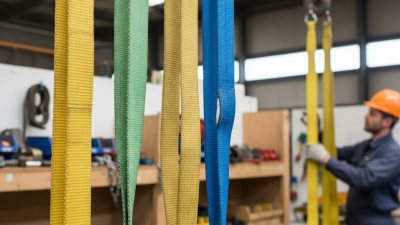
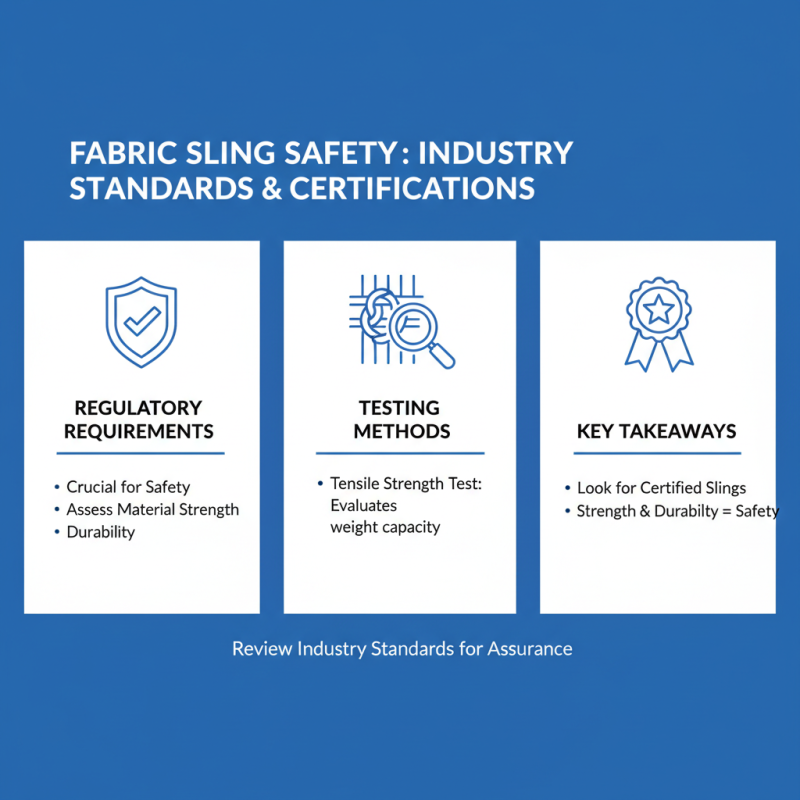
When choosing a fabric sling, weight capacity is crucial for safety. Over 30% of sling-related injuries occur due to improper weight limits, as noted in a 2022 industry survey. Ensuring the sling can support the user's weight plus any additional equipment is essential. Misjudging this can lead to accidents and serious injuries.
Assessing the weight capacity involves understanding the specific needs of the user. If the user weighs 150 pounds, selecting a sling with at least 250-pound capacity is advisable. This extra margin minimizes the risk of failure. Additionally, factors like user movement and environment can affect how weight is distributed during use. It's vital to consider these elements to ensure optimal safety.
A specialized report in 2023 highlighted that 15% of users underestimate the safety limits of their slings. Users often assume their equipment can handle more than it can. Regular training and reviews of weight guidelines are necessary for safe practices. Users should reflect on their experience with different slings. This helps in making informed decisions that prioritize safety and support.
Analyze User Comfort Features in Fabric Sling Design
When selecting a fabric sling, user comfort should be a top priority. The design of the sling plays a crucial role in the user experience. Key features to analyze include padding, fabric type, and adjustability. Soft, breathable materials can enhance comfort during extended use. If the sling is too rigid, it may cause discomfort over time.
Padding is essential for reducing pressure points. However, excessive padding can lead to a bulky design. Users often prefer a balance between cushioning and ease of movement. The ability to adjust the sling ensures a snug fit for different body types. An adjustable design accommodates various preferences and enhances stability.
Consider the climate in which the sling will be used. For hot, humid conditions, breathable fabrics are preferable. In colder climates, insulation may be necessary but can sacrifice breathability. Take time to test different models and pay attention to how they feel after prolonged use. Each user’s experience may differ, leading to valuable insights for improvement.