Why Choose Lifting Sling for Your Heavy Lifting Needs?
In the world of heavy lifting, the importance of using the right equipment cannot be overstated. A prominent expert in the lifting industry, John Marshall, once stated, “The Lifting Sling is an essential tool for safety and efficiency in any heavy lifting task.” With their unique design, lifting slings offer flexibility and strength, making them ideal for various applications.
Choosing a lifting sling goes beyond mere convenience. It's about ensuring the safety of both workers and the materials being lifted. Traditional methods, like chains or cables, can be unreliable. They may lead to accidents or damage. In contrast, lifting slings are made from durable materials like nylon or polyester, which enhance their strength while remaining lightweight.
Furthermore, the versatility of lifting slings must be acknowledged. They can handle different load shapes and sizes, adapting to unique lifting challenges. However, it’s crucial to select the right type of sling for specific needs. Making mistakes in this area can lead to serious issues. Reflecting on the significance of proper equipment, it’s clear that investing in high-quality lifting slings is a step towards improved safety and efficiency in heavy lifting operations.

Understanding the Importance of Lifting Slings in Heavy Lifting
Lifting slings play a critical role in heavy lifting operations. They are designed to secure large loads, ensuring safety and efficiency. Proper understanding of lifting slings is essential for effective use. These slings come in various materials and designs, suited for different applications. Knowing which sling to use is not just about choice; it’s about safety.
When selecting a lifting sling, consider the load weight and the environment. Each sling has a working load limit. It is crucial to never exceed this limit. A sling selected without proper assessment can lead to accidents. Inspecting slings before use is also necessary. Worn or damaged slings can fail unexpectedly.
Tips are essential for safe lifting. Always ensure the sling is suitable for the task. Familiarize yourself with its features. Regular training on lifting techniques builds expertise. Remember, safety should never be compromised for efficiency. Each lift should be planned and executed with care. Reflecting on past incidents can improve future practices.
Different Types of Lifting Slings and Their Applications
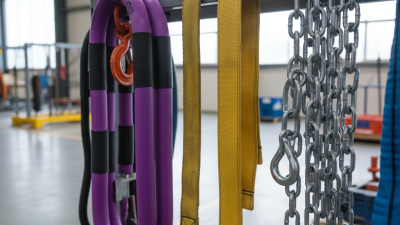
Lifting slings are crucial for various heavy lifting operations. Understanding their types ensures the right choice for safety and efficiency. Common types include fabric slings, chain slings, and wire rope slings. Each type has unique properties, catering to different lifting scenarios.
Fabric slings are lightweight and easy to handle. They can adapt to various shapes of loads, reducing the risk of damage. However, they might not withstand high temperatures or sharp edges.
Chain slings excel in strength and durability. They are ideal for heavy loads and harsh environments. Yet, they can be cumbersome and require more maintenance.
Wire rope slings provide excellent strength and flexibility. They perform well in heavy lifting and are suitable for both indoor and outdoor conditions. Their downside is that they can be affected by wear and tear over time.
Selecting the right sling depends on understanding these trade-offs. Consider load type, environment, and safety standards when making decisions. Each application can present unique challenges that need careful thought.
Key Factors to Consider When Choosing a Lifting Sling
When choosing a lifting sling, safety is paramount. Understand the weight of the load you intend to lift. Each sling has a specified weight limit. Overloading a sling can lead to dangerous failures. It’s essential to choose a sling that aligns with your lifting requirements.
The material of the sling affects its performance. Common options include nylon, polyester, and chain slings. Nylon slings offer flexibility and are lightweight. Polyester slings provide excellent UV resistance. Chains are durable but can be heavier and less flexible. Consider the environment where you will use the sling. Conditions can greatly affect the sling's longevity and reliability.
Also, think about the type of load you are lifting. Irregular shapes may require slings with more grip or different designs. Inspect the slings regularly. Wear and tear are common, and replacing old slings is crucial for safety. It’s easy to overlook small damages, but they can lead to serious accidents. Always prioritize quality over cost. Your safety and that of your team depend on it.
Benefits of Using Lifting Slings over Traditional Lifting Equipment
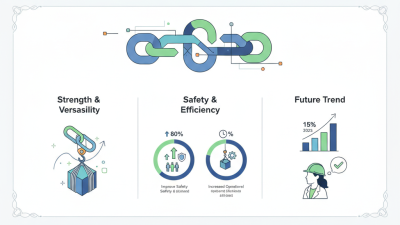
Lifting slings represent a modern solution for heavy lifting operations. Compared to traditional equipment, they offer notable advantages. For instance, a report from the Load Handling Safety Council indicated that using lifting slings can improve load stability by up to 30%. This enhanced stability reduces the risk of accidents on job sites.
Lifting slings are often lighter and easier to handle than chains or straps. According to industry analysis, their weight can be up to 70% less than traditional methods. This lightweight nature allows workers to maneuver them with more agility, especially in tight spaces. However, it is essential to ensure that the correct type of sling is chosen based on specific lifting needs.
Moreover, slings provide flexibility in various applications. They can adapt to different loads and angles, which is often a challenge with traditional hardware. While using slings can streamline operations, improper use can lead to safety concerns. Regular training and vigilance are vital to mitigate risks. Understanding the limitations and proper handling techniques is crucial for maximizing safety and efficiency in heavy lifting operations.
Benefits of Using Lifting Slings over Traditional Lifting Equipment
Safety Measures and Best Practices for Using Lifting Slings
Lifting slings are crucial for heavy lifting tasks, but safety should always come first. According to the Occupational Safety and Health Administration (OSHA), improper use of lifting slings can lead to serious injuries or even fatalities. A study by the National Safety Council found that nearly 25% of workplace injuries are related to improper lifting techniques. Implementing best practices can significantly reduce such risks.
Before using a lifting sling, inspect it thoroughly. Look for signs of wear, fraying, or damage. Always follow the manufacturer’s weight limits and load capacity. Recognize that overloading can lead to equipment failure. Use edge protection for slings near sharp surfaces. This not only prolongs the lifespan of the sling but also ensures safety.
Tips: Always communicate clearly with your team when lifting. This can prevent accidents. Ensure everyone understands their roles. Lastly, provide training on sling use. A study from the American National Standards Institute (ANSI) emphasizes that proper training can reduce accidents by up to 30%. By focusing on safety measures, you can create a safer lifting environment for everyone involved.