Top Tips for Choosing the Best Nylon Sling for Your Needs?
Choosing the right nylon sling can be crucial for safety and efficiency. According to John Smith, a leading expert in the sling industry, “A quality nylon sling is a blend of strength and flexibility.” This statement highlights the importance of selecting the right sling for specific needs.
Nylon slings are versatile yet complex. They come in various sizes and styles, each designed for different applications. Understanding the unique features of each type can be daunting. You must consider load requirements and environments where these slings will be used. A mismatch can lead to dangerous outcomes.
Quality matters. Not all nylon slings are created equal. Investing in a well-made sling ensures better performance and safety. However, cheaper options may be tempting, but they often fall short in terms of durability and reliability. Being aware of your priorities can lead to better decisions.
Factors to Consider When Selecting a Nylon Sling for Lifting
When selecting a nylon sling for lifting, various factors play a crucial role. Weight capacity is paramount; ensure the sling can handle the load you plan to lift. According to industry data, a properly rated nylon sling can lift up to five times its working load limit. This ratio helps in choosing the right sling, yet many overlook this crucial aspect, leading to safety risks.
The type of nylon used is another critical consideration. High-tenacity nylon offers enhanced strength and durability. Different constructions like flat or round slings have unique advantages. A flat sling may provide better stability for certain loads, while a round sling offers versatility in various applications. Research suggests that choosing the right construction can increase lifting efficiency by up to 30%. However, many users still default to one type without assessing their specific needs.
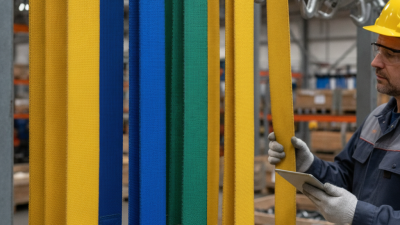
Environmental factors matter too. Exposure to chemicals or extreme temperatures can degrade nylon materials. Ensure the sling is rated for the specific conditions it will encounter. Inspections are vital; wear and tear can develop rapidly, compromising safety. Regular checks can identify potential issues before they become serious problems. Despite this knowledge, compliance rates for regular inspections in the field remain surprisingly low, indicating a persistent need for improved safety practices.
Understanding Different Types of Nylon Slings and Their Applications
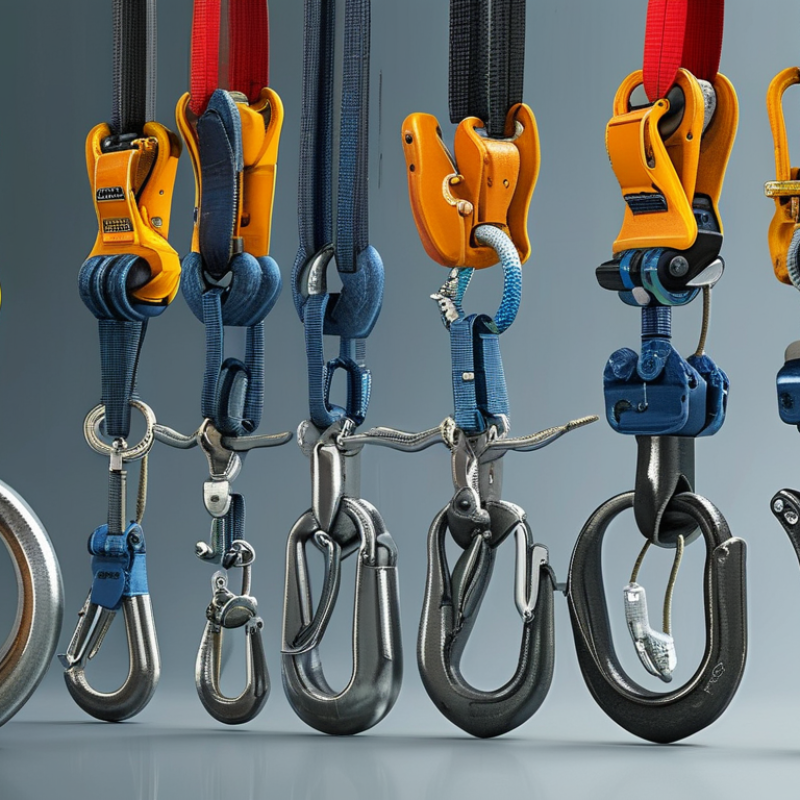
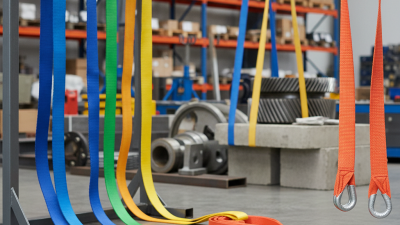
When selecting a nylon sling, it’s essential to understand the various types available. Each type is designed for specific applications. For instance, webbing slings are often used for lifting heavy loads in construction. Their flat design distributes weight evenly, making them reliable for hoisting.
Round slings, on the other hand, are flexible and can handle more dynamic loads. They are perfect for rigging and lifting odd-shaped objects. This type of sling tends to be more robust where abrasion is a concern. However, users must be cautious about wear and tear. Regular inspections are vital to maintaining safety.
Choosing the appropriate nylon sling requires thoughtful consideration. Be aware of the weight capacity and the environment where it will be used. Certain slings may not perform well in extreme conditions. Additionally, understanding the specific task at hand can help avoid mistakes. It’s essential to reflect on previous experiences where the wrong type led to complications. Always prioritize safety and reliability in your selection.
Evaluating Load Capacity: Choosing the Right Weight Limit for Your Needs
Choosing the right nylon sling involves understanding load capacity. Each type of sling has a specific weight limit, which is crucial for safety. According to industry standards like those from the American National Standards Institute (ANSI), using a sling beyond its rated capacity can result in failure. A report from the Sling Manufacturers Association indicates that improper load limits cause over 25% of sling-related accidents. Thus, evaluating your needs is paramount.
Consider your specific application. Are you lifting heavy machinery or using the sling in construction? Different scenarios demand different weight limits. For example, a 2-inch nylon sling typically holds about 6,000 pounds when used vertically. However, the same sling rated for a basket hitch may only support half that weight.
Tip: Always check the manufacturer's specifications before use. Another important aspect is inspecting the sling regularly for any signs of wear. A damaged sling may have a significantly reduced load capacity. Reflecting on past choices can save you from future mistakes. Aim for the right balance between strength and flexibility.
Examining Safety Ratings and Certification Standards for Nylon Slings
When choosing a nylon sling, it's crucial to consider safety ratings and certification standards. These ratings indicate how well the slings can withstand various loads and conditions. A higher safety rating means increased reliability. It also reflects adherence to strict industry standards. Users must examine the specific certifications applicable to their needs.
Many nylon slings come with certifications from recognized organizations. This ensures they meet safety guidelines for lifting, pulling, and rigging. Always look for evidence of testing, like visible labels or documentation. A sling may look perfect but could still be underperforming.
It's important to evaluate how often these slings should be inspected. Regular checks can reveal wear and tear, which may not be immediately visible. A well-informed user will know the importance of these inspections. Inadequate attention could lead to accidents. Ultimately, the right nylon sling should balance safety and functionality based on the task at hand.
Top Tips for Choosing the Best Nylon Sling for Your Needs
This chart shows a comparison of three different nylon slings based on their weight capacity, safety rating, and certification standards. Proper evaluation of these factors is essential when choosing the best nylon sling for your needs.
Maintenance Tips for Prolonging the Lifespan of Your Nylon Sling
Taking care of your nylon sling can greatly enhance its lifespan. Regular cleaning is essential. Dirt and grime can wear down the fibers. Use mild soap and warm water for cleaning. Avoid harsh chemicals that may degrade the material. Make sure to rinse it thoroughly to remove any soap residue. Hang it to dry in a shaded area to prevent UV damage.
Storing your nylon sling properly is also crucial. Avoid folding it tightly to prevent creases. Instead, lay it flat in a cool, dry location. Check your sling periodically for signs of wear and tear. Look for fraying edges or weakened points. Address any issues immediately to avoid further damage. Be mindful that even the best-care practices may not eliminate all risks.
Remember that nylon is not invincible. Exposure to extreme temperatures can impact its integrity. Keep it away from sharp objects that could cause cuts. A little reflection on your usage patterns can help. Think about how often and in what conditions you use your sling. Adapting your care routine to these insights will be worthwhile.