China Top 10 Webbing Sling Manufacturers?
China’s webbing sling industry serves construction, logistics, shipyards, maintenance teams, and lifting equipment distributors worldwide. This guide examines ten manufacturers associated with Webbing Sling production in China. It focuses on practical evidence, not attractive claims alone.
A reliable manufacturer should show consistent stitching, traceable raw materials, clear working load limits, and documented quality procedures. Factory experience matters. So does technical communication. Product samples can reveal important details, including edge finishing, label clarity, seam density, and abrasion resistance. A sling may look strong but still fail under poor stitching or incorrect use. Small details matter.
The selection also considers manufacturing capacity, testing facilities, customization ability, export experience, and after-sales support. Certifications can support credibility, but they should be checked against the actual product and current production site. Not every online ranking is dependable. Some company information may change, and public data can remain incomplete. That limitation deserves attention.
Buyers should compare manufacturers according to application, load requirements, operating environment, and inspection practices. A polyester sling used indoors may face different demands from one exposed to sunlight, sharp edges, moisture, or frequent handling. The best supplier is not always the largest one. It is the manufacturer that communicates clearly, supplies consistent products, and supports safe selection. This overview offers a practical starting point, while independent verification remains essential before purchase.
## What Are Webbing Slings and Where Are They Used?
What Are Webbing Slings and Where Are They Used?
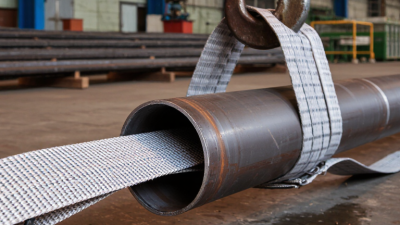
Webbing slings are flexible lifting straps made from high-strength synthetic fibers. They usually have reinforced eyes at both ends. Their soft surface helps protect painted, polished, or easily scratched loads. Unlike rigid chains, webbing slings can wrap around irregular shapes and fit into narrow lifting points. They are commonly used with cranes, hoists, forklifts, and overhead lifting equipment.
In warehouses, workers use them to move machinery, steel components, timber, pipes, and packaged equipment. Construction sites often use slings when positioning beams or concrete sections. They are also useful in workshops, shipyards, maintenance areas, and transport operations. A wider sling spreads pressure across the load. A narrow sling may cut into sharp edges. Edge protection is therefore essential when corners contact the strap.
A competent operator should check the label, working load limit, stitching, eyes, and fabric before each lift. Look for cuts, melted fibers, chemical damage, stretched sections, or faded identification. The lifting angle matters. As the angle becomes smaller, leg tension increases. Never guess the capacity from appearance alone. A clean sling can still contain hidden damage. That detail is easy to overlook. Load balance, connection points, and surface temperature also require attention. Manufacturer instructions and applicable lifting standards should guide selection. In practice, rushed inspections remain a common weakness, and even experienced teams can miss one damaged thread.
## How to Evaluate Chinese Webbing Sling Manufacturers
How to Evaluate Chinese Webbing Sling Manufacturers
China’s lifting industry serves a large and expanding material-handling market. Allied Market Research valued the global material handling equipment market at USD 212.9 billion in 2022. It projects USD 342.1 billion by 2032. This growth increases supplier choice, but factory quality still varies.
Evaluate manufacturers through evidence, not catalog photographs. Ask for test reports covering EN 1492-1 or equivalent requirements. Check the working load limit, safety factor, stitching pattern, fabric width, and label durability.
A reliable factory should identify the yarn material, production batch, inspection date, and responsible inspector. Traceability matters. Request samples from regular production, not specially prepared pieces.
Independent inspection can verify breaking strength and elongation. Compare results with declared specifications. The International Labour Organization reports that occupational safety depends heavily on competent inspection and preventive systems. That principle applies to lifting accessories too.
Visit the workshop when possible. Look for controlled sewing areas, calibrated testing machines, protected storage, and operators who can explain rejection procedures.
Price deserves caution. A lower quotation may reflect thinner fabric, fewer stitches, or weaker protective sleeves. Still, expensive products are not automatically better.
I once underestimated packaging quality; moisture damage appeared before installation. That mistake was avoidable. Review complaint records, corrective-action reports, export experience, and inspection consistency before approving a Chinese webbing sling manufacturer.
## China’s Top 10 Webbing Sling Manufacturers
China’s Top 10 Webbing Sling Manufacturers
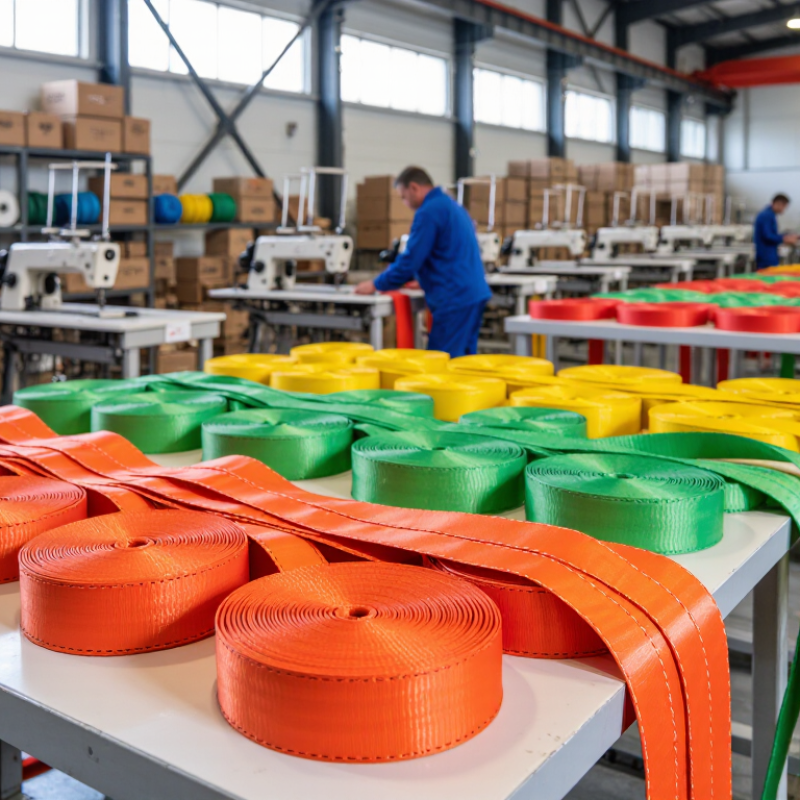
China’s top 10 webbing sling manufacturers are best judged through production evidence, not attractive catalogues. Experienced factories usually control polyester yarn selection, weaving tension, stitching, and final inspection in-house. Their workshops should show clean sewing areas, calibrated testing machines, and clear material records. A reliable manufacturer can explain sling width, working load limit, safety factor, and environmental limitations without vague promises. Short answers often reveal weak knowledge.
During supplier research, buyers should request test reports, batch traceability, and samples from regular production. Inspect the label closely. It should match the order details and identify capacity, length, material, and inspection information. Strong manufacturers test finished slings for strength, abrasion, and stitching quality. Some also use barcode systems to connect each batch with production records. Small details matter. A loose thread does not always mean failure, but repeated loose stitching deserves serious attention.
The most capable suppliers usually support custom lengths, reinforced eyes, protective sleeves, and export packaging. Their engineers can recommend suitable designs for lifting conditions, rather than simply accepting every drawing. However, no ranking is flawless. Factory visits may show excellent samples while daily production varies. I would compare several batches, not one perfect piece. Buyers should also review communication speed, complaint handling, and replacement procedures before placing large orders. A dependable partnership is built through measurable checks, honest limits, and consistent delivery.
This chart presents the standard working load limit (WLL) color-coding system commonly used for synthetic webbing slings under EN 1492-1. It provides a neutral product-capacity reference for comparing manufacturers without displaying company or brand data.
## Product Comparison: Materials, Capacity, Standards, and Customization
China Top 10 Webbing Sling Manufacturers
Comparing China’s top ten webbing sling manufacturers requires more than checking catalog prices. Most reputable suppliers use high-tenacity polyester for chemical resistance, low stretch, and stable lifting performance. Nylon can offer better elasticity, but it may absorb moisture and lose strength in certain conditions. A practical comparison should record webbing width, eye construction, stitching density, and protective sleeve quality.
Capacity labels need careful reading. Working Load Limit depends on sling type, hitch method, angle, and safety factor. A two-leg sling does not automatically provide double capacity. Reliable manufacturers provide batch test reports, traceable labels, and clear inspection guidance. EN 1492-1 and ASME B30.9 are useful reference standards, but certificates should match the actual product and production batch. Paperwork can look impressive. Verify it.
Customization may include length, lifting eyes, color coding, end fittings, abrasion covers, and printed identification. Good engineering teams confirm the load shape before changing dimensions. Sharp edges need protection, even with strong polyester. In field use, a small label error can create serious confusion. Manufacturers should explain rejected-sling criteria, ultraviolet exposure limits, and storage conditions. Some comparisons overlook repairability and delivery consistency. That is a weakness worth questioning. A supplier with responsive technical support may be safer than one offering the lowest quotation. Inspect samples, review test records, and request photographs of stitching before approving large orders.