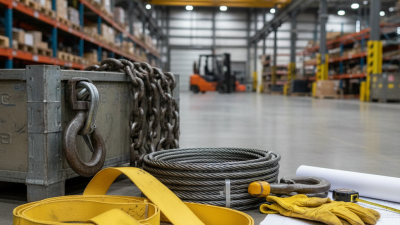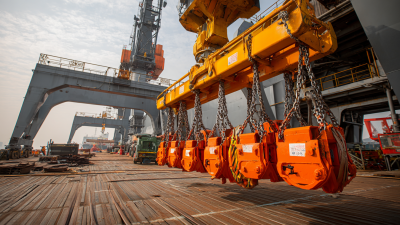
A Webbing Sling is a flexible lifting accessory made from woven synthetic fibers, commonly polyester or nylon. It connects a load to a crane, hoist, or other approved lifting equipment. Unlike rigid chains, it can wrap around irregular shapes and distribute pressure across a wider surface. This makes it useful for machinery, steel components, timber, pipes, and carefully handled industrial equipment.
In practical lifting work, the sling’s flexibility is valuable. A flat sling can pass beneath a load, form a basket hitch, or secure a suitable choker arrangement. The correct method depends on the load shape, weight, center of gravity, and lifting points. Small details matter. A sharp corner can cut the webbing quickly. A twisted sling can reduce reliable contact. The rated working load limit must always match the lifting configuration, not just the sling label.
Safety is not automatic. Experienced riggers inspect stitching, labels, edges, discoloration, chemical damage, and stretching before use. They also use corner protection when needed and keep people away from suspended loads. Manufacturer instructions and recognized lifting practices should guide every operation. Still, real sites are rarely perfect. Labels may become dirty, loads may shift, and visual checks can miss hidden damage. That is why questionable equipment should be removed from service and assessed by a competent person. Understanding what a Webbing Sling is used for helps users choose the right accessory, but careful judgment remains essential.
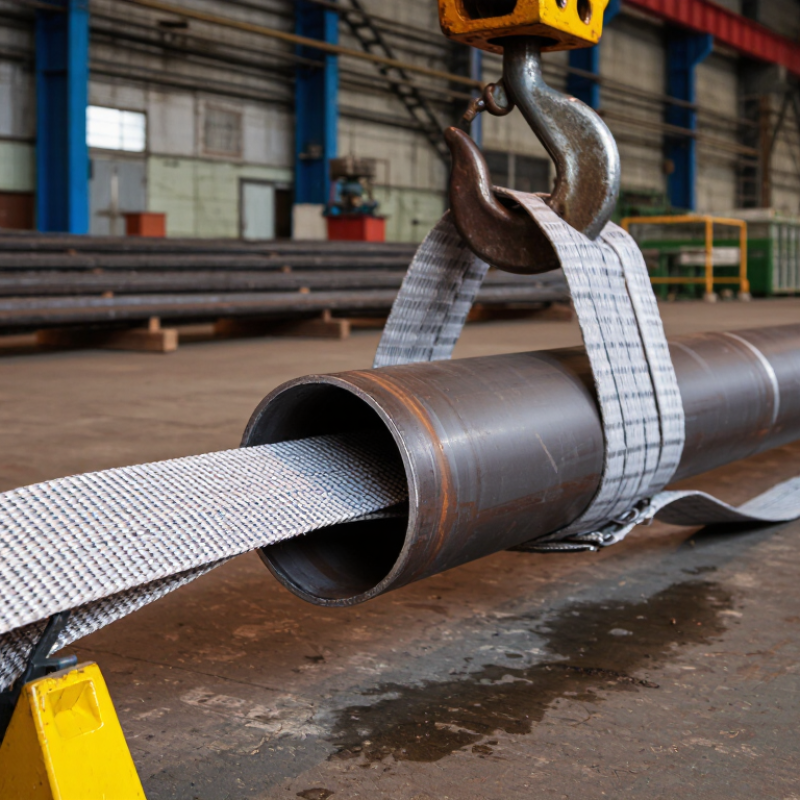
A webbing sling is a flexible lifting device made from woven synthetic fibers. It usually has reinforced eyes at both ends. Protective sleeves may cover areas exposed to sharp edges or abrasion. Unlike rigid chains, webbing slings can wrap gently around painted, polished, or irregular loads.
They are used to lift, position, turn, and bundle materials with cranes or hoists. Common examples include steel sections, machinery, pipes, timber, and fabricated frames.
The sling does not carry the same load in every arrangement. A vertical lift, basket hitch, and choker hitch each have different rated capacities. Sling angle also changes the tension. Small details matter.
A competent worker checks the identification tag before lifting. The tag should show capacity, length, material, and hitch information. Cuts, melted fibers, broken stitching, chemical damage, and permanent distortion require removal from service. OSHA 1910.184 requires synthetic web slings to be inspected before use and removed when defective. The WHO and ILO estimated 2.93 million work-related deaths worldwide in 2019. That figure is not specific to lifting, but it gives safety decisions real weight.
A sling can look harmless.
It is not a substitute for proper rigging judgment. Even experienced crews can miss hidden abrasion inside a fold. This is where practice remains imperfect.
Keep the load balanced, protect the sling from edges, and never exceed its marked capacity.
What Is a Webbing Sling Used For?
How Does a Webbing Sling Work?
A webbing sling lifts and supports heavy loads by transferring force through strong woven fibers. It is usually made from synthetic webbing, with reinforced eyes at both ends. When connected to a suitable lifting point, the sling carries the load in tension rather than through rigid metal contact.
It looks simple. The lifting method matters.
A sling can be used in a vertical, choker, or basket hitch. In a basket hitch, the webbing passes beneath the load and supports it from both sides. A choker hitch tightens around the load, but it can reduce lifting capacity. The angle also changes the force. Wider angles create greater tension in each sling leg. A qualified lifting professional should check the working load limit before every lift.
The load must sit evenly. Sharp edges can cut the fibers, so edge protection is essential. Twists, knots, heat damage, chemical stains, and heavy abrasion require careful inspection. Never drag a sling across rough ground or place it under a moving load. Keep people away from suspended loads.
A common mistake is trusting appearance. Clean webbing can still contain hidden damage. I would also avoid guessing when the identification label is missing or unreadable. In practice, rushed checks cause problems. The sling, hitch, load balance, connection points, and lifting equipment all need to work together. Training and site procedures remain important, even for a short lift.
| Data Dimension | Key Information | Practical Details |
|---|---|---|
| Primary Purpose | Lifting, positioning, and lowering suspended loads | Used with cranes, hoists, and other approved lifting equipment in material-handling operations |
| Typical Applications | Moving machinery, steelwork, pipes, structural components, containers, and packaged goods | Suitable where a flexible sling can conform to the shape of the load |
| Common Materials | Synthetic webbing, most commonly high-tenacity polyester or nylon | The material must be selected according to the load, environment, temperature, and chemical exposure |
| How It Works | The sling wraps around or attaches to the load and transfers force through tension in the webbing | The load is supported through a vertical, choker, or basket configuration |
| Common Configurations | Endless, eye-and-eye, basket, choker, and multi-leg arrangements | The configuration affects the working load limit, load balance, and angle forces |
| Working Load Limit | Depends on sling width, material, construction, configuration, hitch type, and lifting angle | Always use the marked working load limit; never estimate capacity from appearance alone |
| Load Distribution | A basket hitch can distribute the load across two supporting sections when properly balanced | The load must remain stable, and the sling must not be twisted or unevenly loaded |
| Main Advantages | Lightweight, flexible, easy to handle, and less likely to scratch finished surfaces than many metal slings | Convenient for frequent lifting and for loads with delicate or irregular surfaces |
| Limitations | Can be damaged by sharp edges, abrasion, excessive heat, chemicals, cutting, and ultraviolet exposure | Use edge protection and keep the sling away from hazards that can weaken or cut the fibers |
| Temperature Considerations | Synthetic fibers have defined temperature limits that vary by material and construction | Do not use a sling near hot surfaces, molten material, welding sparks, or open flame unless specifically approved |
| Chemical Resistance | Resistance varies between polyester, nylon, and different chemicals | Consult the sling documentation before use around acids, alkalis, solvents, or other aggressive substances |
| Inspection Before Use | Check for cuts, tears, pulled stitching, abrasion, melting, chemical damage, knots, and damaged fittings | Remove the sling from service if its identification label is missing or damage affects its integrity |
| Safe Handling Practice | Center the load, protect contact points, maintain clear communication, and lift smoothly | Never stand under a suspended load or allow shock loading, dragging, or sudden starts and stops |
| Storage | Store clean and dry in a ventilated area away from sunlight, heat, moisture, and chemicals | Do not store webbing slings on the floor where they may be exposed to vehicles, dirt, or standing water |
| Selection Checklist | Confirm load weight, center of gravity, hitch type, lifting angle, sling length, fittings, and environmental conditions | Select a sling with a clearly identified working load limit suitable for the complete lifting arrangement |
Safety note: Working load limits and operating conditions must be verified from the sling's identification label, applicable regulations, and the manufacturer's instructions before every lifting operation.
Webbing slings lift machinery, steel frames, pipes, pallets, and finished surfaces. Their broad, flexible webbing spreads pressure across the load. This helps reduce scratching and crushing on painted equipment. Common tasks include vertical lifts, basket hitches, and choker hitches. They are useful in factories, construction sites, shipyards, and maintenance areas.
A 2,000-kilogram load does not always require a 2,000-kilogram sling. The angle, hitch type, edge contact, and load shape can reduce capacity. EN 1492-1 commonly applies a 7:1 minimum breaking-force relationship to textile lifting slings. However, that figure is not permission to exceed the marked working load limit.
The right sling depends on the load and the lifting task. A basket hitch can support bulky equipment, while a choker hitch helps gather long materials. Sharp edges need proper corner protection. Heat, chemicals, cuts, and abrasion can weaken synthetic fibers quickly.
Inspect the sling before every lift, especially around seams, labels, and contact points. Remove it from service when fibers are cut, melted, stretched, or heavily contaminated.
HSE’s 2023/24 fatal injury statistics recorded 138 worker deaths in Great Britain, showing why routine lifting controls matter. The data does not blame webbing slings, but it challenges casual assumptions. A clean sling can still be wrongly selected. That mistake is easy to miss. Proper planning, trained operators, and documented inspections remain essential.
What Is a Webbing Sling Used For?
Webbing slings lift, position, and lower loads without scratching finished surfaces. They suit machinery, steel frames, pipes, timber, and packaged equipment. Their flat fibers distribute pressure across wider contact areas. That advantage disappears when sharp edges cut the webbing.
How to Choose the Right Webbing Sling
Start with the load’s weight, shape, center of gravity, and lifting points. Check the sling’s working load limit, or WLL, on its permanent label. EN 1492-1 generally requires textile slings to meet a minimum breaking force seven times their WLL. That figure is not extra lifting capacity. Angle matters too. As the sling legs become more horizontal, tension rises quickly. A 60-degree included angle is usually safer than a narrow, heavily loaded angle.
Select the hitch carefully. A vertical hitch, choker hitch, and basket hitch have different capacities. Confirm the manufacturer’s capacity table, not memory. Protect the sling from corners with rated sleeves or suitable edge guards. Heat, chemicals, ultraviolet light, and moisture can weaken fibers. The UK Health and Safety Executive recorded 138 worker fatalities in 2023/24. The figure covers all industries, but it reinforces one point: lifting choices deserve disciplined checks.
Inspect before every use. Look for cuts, melted fibers, pulled stitching, discoloration, and damaged labels. Remove doubtful slings from service. A clean-looking sling may still be weakened internally. This is where site practice can fail. Never guess. Record inspections, train the lifting team, and reassess the sling when the load or environment changes.
Webbing slings are used to lift, position, and secure loads while reducing the risk of surface damage. The chart compares common hitch configurations using relative rated-capacity factors for the same sling.
Reference factors commonly used in lifting practice: vertical lift = 1.0, choker hitch = 0.8, and basket hitch = 2.0. Actual working load limits depend on sling width, material, hitch angle, load shape, edge protection, temperature, and the manufacturer’s identification tag. Never exceed the marked working load limit.
A webbing sling is used to lift, position, and secure heavy loads with a crane or hoist. Its flexible polyester webbing can wrap around machinery, pipes, steel frames, and irregularly shaped equipment. The sling must match the load’s weight, shape, lifting points, and center of gravity. A rated capacity tag should remain readable. If it is missing, do not guess.
Safety practices matter during every lift. Inspect the sling before use for cuts, melted fibers, heavy abrasion, damaged stitching, chemical stains, or distorted fittings. Never use a knotted or twisted sling. Protect the webbing from sharp edges with suitable padding. Keep hands and feet away during a trial lift. Raise the load slowly, check its balance, and avoid sudden movement or shock loading. I have seen workers focus on the crane while overlooking sling angles. That mistake can reduce lifting capacity significantly.
Tips: Store slings clean, dry, and away from direct sunlight. Keep them off rough floors. Use the correct hitch for the load. Do not drag a sling beneath heavy equipment. Confirm the working load limit before each lift. A qualified person should inspect questionable damage. When uncertain, stop the lift and ask for a second assessment. Small shortcuts often become serious failures.