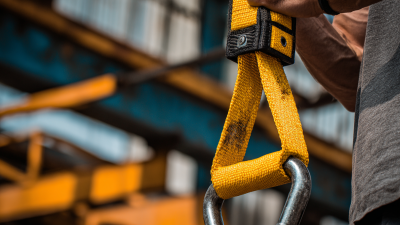
Top 5 Benefits of Using Nylon Sling in Your Business?
In today's competitive business landscape, efficiency and safety are paramount. One tool gaining popularity is the Nylon Sling. These slings offer a unique blend of strength and versatility. They play a crucial role in lifting and securing heavy loads. Constructed from durable nylon, they provide excellent resistance against wear and tear, making them a reliable choice for various industries.
Using Nylon Slings can lead to significant operational benefits. For instance, their lightweight design makes them easy to handle. Workers can quickly attach and detach these slings, reducing downtime. Moreover, they are designed to distribute weight evenly, minimizing the risk of damage to both the load and the equipment involved.
However, businesses must be mindful of proper usage. Improper handling may lead to safety hazards. It's important to train staff on the right techniques and care for these slings. Nylon Slings can elevate your operational efficiency, but only with the right application and understanding.
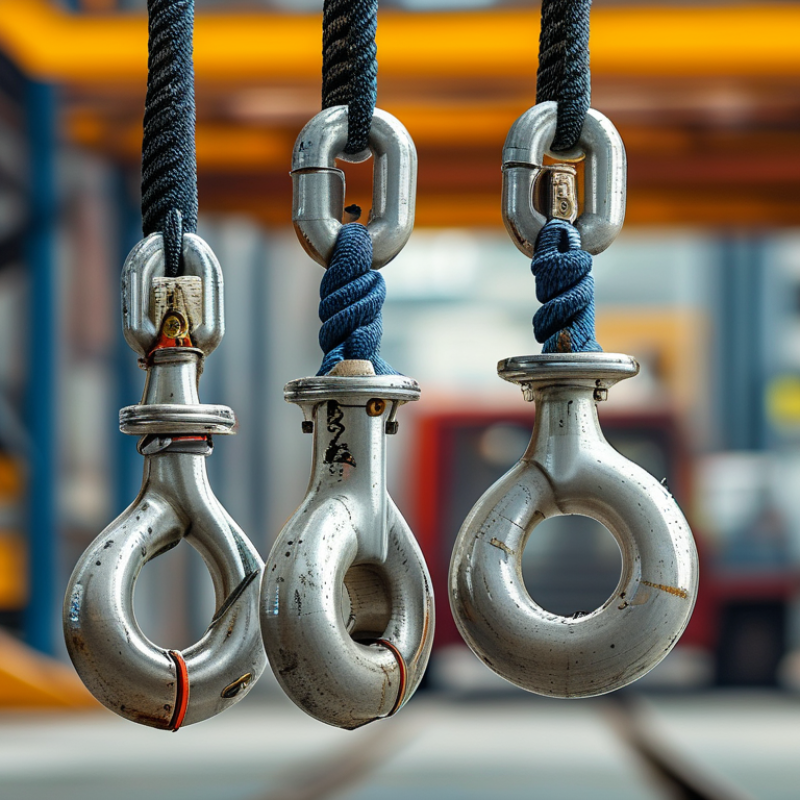
Overview of Nylon Slings and Their Applications in Business
Nylon slings are versatile tools widely used in various business sectors. They provide strong, lightweight support for lifting and securing heavy loads. Industries such as construction, manufacturing, and logistics benefit significantly from their use.
Nylon’s durability makes it resistant to abrasions and tears, ensuring long-lasting performance.
In addition to strength, nylon slings are easy to handle. They are resistant to UV radiation and moisture, making them suitable for outdoor applications. However, users must be cautious about overloading these slings. Regular inspections can help identify wear and tear, ensuring safety and reliability. Knowledgeable staff can maximize the benefits of nylon slings through proper training.
Businesses can enhance their efficiency with nylon slings. Their flexibility allows for various lifting techniques. This adaptability can lead to smoother operations and reduced downtime. Nonetheless, businesses should continuously evaluate their lifting equipment. Feedback from workers is crucial for improvement, fostering a culture of safety and awareness.
Durability and Strength: How Nylon Slings Enhance Load Safety
Nylon slings are increasingly popular in various industries for their impressive durability and strength. This material can withstand heavy loads without fraying or breaking easily. Unlike other materials, nylon has excellent elasticity, which helps absorb shock during lifting. This characteristic contributes to enhanced load safety, reducing the risk of accidents at work sites.
Moreover, nylon slings are resistant to many chemicals. This makes them suitable for different environments, from construction sites to industrial warehouses. Users often find that nylon slings maintain their integrity even in challenging conditions. However, it is essential to inspect them regularly for signs of wear. With prolonged use, even the strongest materials can show signs of fatigue.
When considering nylon slings, it's vital to understand their limits. They excel in specific applications but may not be ideal for all scenarios. Each lifting task could present unique challenges. Thus, taking the time to analyze load requirements can prevent potential safety issues. It's a continuous learning process for many operators. Making informed decisions will ultimately lead to better practices in load safety.
Cost-Effectiveness: Long-Term Savings with Nylon Slings
Cost-Effectiveness: Long-Term Savings with Nylon Slings
Utilizing nylon slings in your business can lead to significant cost savings. These slings are durable and designed for heavy-duty use. Over time, this durability translates into fewer replacements. Investing in nylon slings means less frequent purchases and lower maintenance costs.
This makes them a savvy choice for any company.
Nylon slings also reduce operational disruptions. Unlike traditional lifting equipment, nylon slings are lightweight and easy to handle. Employees can quickly set them up, minimizing downtime. Time is money, as every minute counts in a busy workplace. Choosing lighter options can streamline operations and enhance productivity.
However, not all businesses may initially see these benefits. Some might overlook the long-term savings. It requires a shift in thinking about upfront costs. Understanding the true value of nylon slings is essential. If decision-makers focus only on initial expenses, they may miss out.
This reflection can drive more informed choices in equipment selection.
Versatility: Adapting Nylon Slings for Various Industries
Nylon slings are increasingly popular due to their adaptability across different industries. They provide substantial strength while being lightweight. This versatility makes them ideal for construction, logistics, and manufacturing environments.
In construction, nylon slings can easily handle heavy loads without risking damage. Their flexibility allows workers to secure loads of various shapes and sizes. This is crucial during lifting and moving. Logistics teams often prefer them for transporting goods. Their resistance to abrasion and moisture helps in preserving the integrity of the materials.
Tip: Always inspect your nylon slings regularly for any signs of wear. A small cut can lead to failure in critical situations.
In manufacturing, nylon slings are used in assembly lines and heavy machinery. Ensuring the right size and weight capacity is vital. Miscalculating this may result in accidents, which can disrupt operations. Workers should be trained on proper usage.
Tip: Keep a log of inspection dates and maintenance for each sling. This helps ensure reliability over time and prevents potential hazards.
Ease of Use: Streamlining Operations with Nylon Slings
When it comes to streamlining operations, nylon slings offer significant advantages. They are lightweight yet incredibly strong. This balance makes them easy to handle for various lifting tasks. Employees can quickly attach or detach these slings, reducing downtime. This operational efficiency directly impacts productivity.
Using nylon slings can improve safety on job sites. Their flexibility allows for a better grip, minimizing the risk of slips. Additionally, nylon resists abrasion and wear, meaning they often last longer than other materials. However, it's essential to inspect them regularly. Any signs of damage can compromise performance. Understanding their limitations is crucial for safe use.
Training workers on the correct handling of nylon slings enhances overall efficiency. Proper techniques minimize strain and improve control during lifts. Yet, many organizations overlook this training aspect. Relying solely on the material’s strength is not enough. Continuous education ensures that workers are aware of potential hazards, fostering a safer work environment.