Top 10 Lifting Sling Options for Safe and Efficient Lifting?
When it comes to lifting heavy objects, safety is paramount. A reliable lifting sling can make all the difference in ensuring efficient handling of loads. These tools are designed to support the weight of materials, making the lifting process smoother and safer. However, not all lifting slings are created equal. Different materials and designs serve different purposes, which can sometimes lead to confusion.
Choosing the right lifting sling requires understanding the specific needs of your task. Some slings are made from synthetic fibers, while others are made from metal. The choice depends on the environment and load type. Users often overlook the importance of load capacity ratings. Overloading a sling can lead to accidents and injuries.
As we explore the top ten lifting sling options, it's essential to consider not only functionality but also reliability and efficiency. Each option has its unique features and drawbacks. Evaluating these aspects can help in making informed decisions, ultimately enhancing safety in lifting operations.
Understanding Lifting Slings: Types and Materials Overview
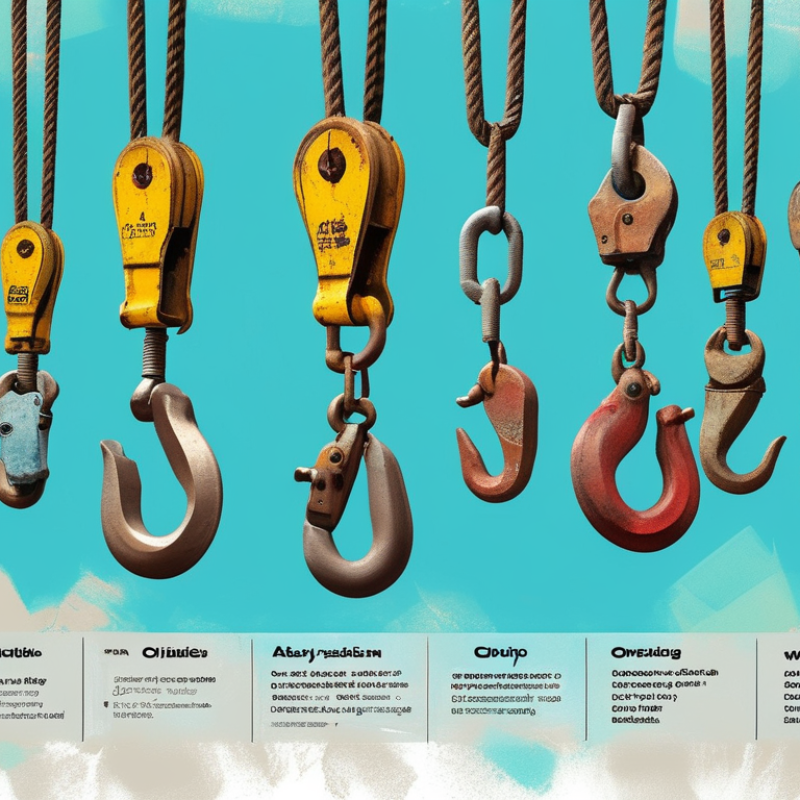
Lifting slings play a crucial role in material handling. These devices help lift and move heavy loads safely. Understanding the types and materials involved can greatly enhance safety and efficiency in various lifting applications.
Common materials include polyester, nylon, and wire rope. Each has unique properties that affect strength, flexibility, and durability.
Polyester slings are lightweight yet strong. They resist abrasion and UV rays. However, they may not perform well in extreme temperatures. Nylon slings offer significant stretch, providing shock absorption during lifting. While this can be beneficial, it also means a potential risk of load movement. Wire rope is incredibly strong but can be less flexible, making it challenging for certain applications.
Choosing the right sling requires consideration of specific lifting needs. Factors like weight, environment, and load shape are important. Mishandling slings can lead to accidents. Regular inspections and training are essential. Users must be aware of the limitations and conditions affecting slings. Making informed decisions can prevent workplace injuries.
Factors to Consider When Choosing a Lifting Sling
When choosing a lifting sling, consider several critical factors to ensure safety and efficiency. The material of the sling plays a vital role. Synthetic slings, like nylon and polyester, offer excellent flexibility and durability. On the other hand, wire rope slings provide strength in harsh environments. Knowing the working load limit is crucial. This limit indicates the maximum weight the sling can lift safely.
Tips: Assess the lifting environment. For example, extreme temperatures or exposure to chemicals may degrade certain sling materials. Always inspect the sling before use for any signs of wear or damage. If there are visible frays or cuts, do not use the sling.
Another key factor is the design. Different tasks may require various types of slings, such as eye slings or round slings. Proper selection enhances stability during the lift. Moreover, training for the slinging team is vital. Workers should understand the correct techniques for securing loads.
Tips: Regular training sessions can improve safety awareness. Encourage the team to report any concerns with equipment. Open communication fosters a safer lifting environment. Remember, it’s better to address a potential issue than to risk an accident.
Top 10 Lifting Sling Options for Safe and Efficient Lifting
| Sling Type |
Material |
Weight Capacity (lbs) |
Length (ft) |
Safety Features |
Applications |
| Web Sling |
Nylon |
6000 |
10 |
Wear sleeves |
Construction, Manufacturing |
| Round Sling |
Polyester |
8000 |
12 |
High abrasion resistance |
Lifting, Crane operations |
| Chain Sling |
Steel |
10000 |
8 |
Grade markings |
Heavy machinery, Rigging |
| Synthetic Sling |
Polyester blend |
3000 |
15 |
Lightweight construction |
Construction, Logistics |
| Belt Sling |
Polyester |
5000 |
20 |
Double layer construction |
General lifting |
| Multi-Use Sling |
Nylon |
4000 |
6 |
Versatile use |
Warehouse, Shipping |
| Cargo Sling |
Heavy-duty polyester |
20000 |
10 |
Load stability features |
Transporting goods |
| Lifting Strap |
Nylon |
1000 |
5 |
Quick adjustment |
Home, DIY projects |
| Choker Sling |
Polyester |
7500 |
7 |
High grip |
Industrial lifting |
| Adjustable Sling |
Synthetic fiber |
5000 |
10 |
Easy length adjustment |
Transport, Lifting |
Top 10 Lifting Sling Options for Various Industries
When it comes to lifting in various industries, selecting the right lifting sling is crucial. Different materials and designs offer unique advantages. For instance, synthetic slings are lightweight and versatile, making them suitable for construction and manufacturing. Their resistance to moisture and chemicals adds to their appeal. Steel slings, on the other hand, provide strength and durability for heavy loads in the shipping and transport sectors.
In the oil and gas industry, flat slings are often preferred for their ability to prevent damage to cargo. These slings distribute weight evenly, reducing wear and tear. However, they can be less effective in extreme conditions, prompting the need for careful assessment. As industries evolve, so do the requirements for lifting slings. Companies must prioritize employee safety and operational efficiency.
While many businesses focus on costs, longevity and reliability should never be overlooked. A lifting sling might seem basic, yet its role is vital. Proper inspection and maintenance can drastically improve safety outcomes. Overall, thoughtful choices in lifting slings can significantly impact a company’s performance and safety record.
Top 10 Lifting Sling Options for Safe and Efficient Lifting
Safety Guidelines for Using Lifting Slings Effectively
When using lifting slings, safety is paramount. It is essential to inspect each sling before use. Look for signs of wear, such as frays, cuts, or any deterioration. If in doubt, do not use it. Proper maintenance extends the life of slings and keeps everyone safe.
Tip: Always match the sling type to your load. Consider the weight and shape. Different slings are designed for specific functions. For example, a round sling may be better for delicate items, while a flat sling is ideal for heavy, flat loads.
When lifting, keep your stance wide and your back straight. Position yourself safely to avoid injury. Always communicate clearly with your team during the lift. Misunderstandings can lead to accidents.
Tip: Practice good coordination. A well-timed lift with everyone on the same page minimizes risks. Remember, slings are an aid, but safe lifting practices must be followed diligently for efficiency.
Maintenance Tips for Longevity of Lifting Slings
Proper maintenance of lifting slings is key to ensuring their longevity. Regular inspections can help identify signs of wear or damage, which can be easy to overlook. Look for frayed edges, cuts, or discoloration in the fabric. These issues can compromise safety, making it crucial to examine slings before each use. Even minor damage should be addressed immediately.
Cleaning lifting slings is another essential maintenance step. Dirt, oils, and chemicals can degrade the material over time. Use mild soap and water, and allow the slings to air dry completely. Avoid harsh detergents or bleach, which can weaken fibers. Additionally, store slings in a cool, dry place, away from direct sunlight. This practice can help prevent deterioration.
It's also necessary to follow the manufacturer's guidelines for load limits. Overloading a sling can lead to failure. Consider creating a routine for documenting maintenance activities. This promotes accountability and helps keep track of the sling's condition. Reflect on any past experiences where improper care led to issues. Learning from these situations can foster a safer environment for all involved.