Choosing the right Webbing Strap is a practical sourcing decision, not a simple material comparison. Global buyers must match fiber, width, strength, stretch, coating, and end use. A strap for outdoor equipment may need UV resistance and stable color. A lifting or restraint application requires verified load performance, clear specifications, and controlled manufacturing. Packaging projects often prioritize flexibility, cost, and consistent production.
Common options include polyester, nylon, polypropylene, and cotton webbing. Polyester usually offers low stretch, good abrasion resistance, and reliable outdoor performance. Nylon provides excellent strength and flexibility, but it can absorb moisture and change dimensions. Polypropylene is lightweight and economical. Cotton feels natural, though it may need greater care in wet conditions. There is no universal winner.
For international purchasing, experienced buyers should request samples, technical data sheets, test reports, and batch traceability. Check width tolerance, breaking strength, elongation, edge quality, colorfastness, and stitching compatibility. Ask how the supplier controls raw materials and inspects finished rolls. Small details matter. A rough edge can damage a buckle. Uneven dyeing can weaken brand presentation. A confident quotation is not enough.
Supplier assessment also deserves attention. Review production capacity, quality procedures, export experience, and communication speed. Confirm whether testing follows the requirements of the intended market and application. Standards vary by product category, so buyers should obtain qualified technical advice before approving a specification. Some recommendations may sound practical but remain unverified. That is where careful sampling helps. This guide compares leading Webbing Strap types and highlights the trade-offs that global buyers should examine before placing a larger order.
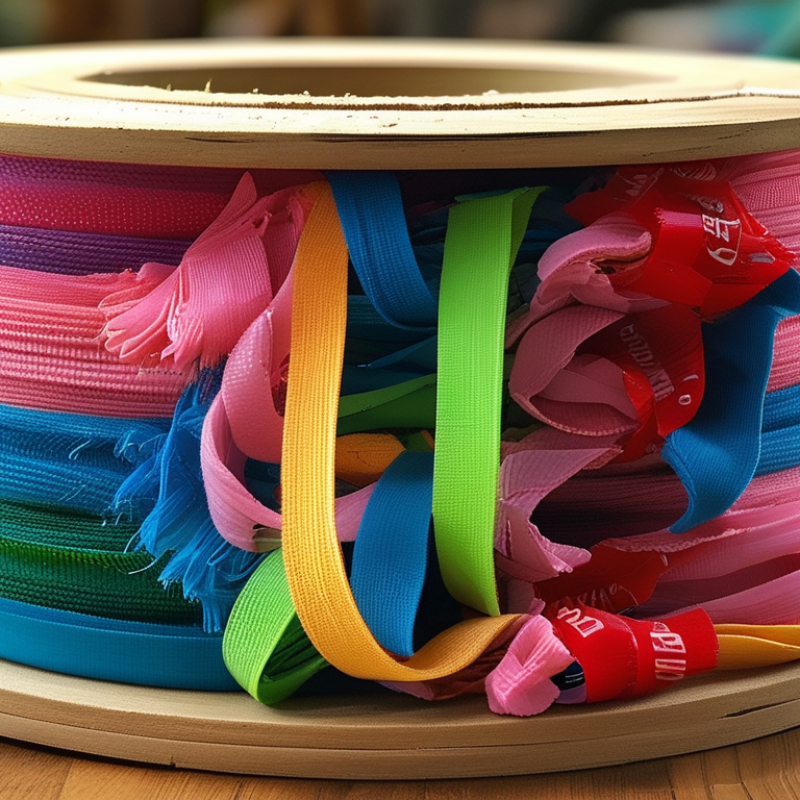
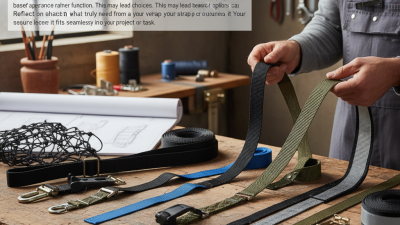
Webbing straps are flat, flexible textile bands made by interlacing longitudinal warp yarns with crosswise weft yarns. Their structure looks simple, but small differences affect performance. Width, thickness, weave density, edge finishing, and yarn material all influence strength and handling.
Polyester webbing is a common choice for global buyers. It offers good abrasion resistance, low stretch, and stable performance in outdoor conditions. Nylon webbing feels softer and absorbs impact well, but it stretches more and can lose strength when wet. Polypropylene is lightweight, economical, and resistant to moisture, although it generally handles heat and heavy loads less effectively. For demanding applications, high-strength fibers may provide better load performance, but cost and processing complexity increase.
Webbing straps can secure cargo, support lifting systems, bundle products, or create adjustable fastening points. Their core function depends on the complete system, not the fabric alone. Buckles, hooks, stitching, anchor points, and load direction must match the intended use. A strap may have impressive breaking strength but perform poorly with sharp edges or uneven stitching. That mistake is easy to overlook.
During sourcing, buyers should request material details, width and thickness tolerances, breaking-strength reports, elongation data, and batch traceability. Samples should be tested under realistic conditions, including bending, abrasion, moisture, and repeated loading. I have found that a clean appearance can mislead. A visually strong strap may still need better edge control or more consistent stitching. Specifications should remain practical, measurable, and open to review.
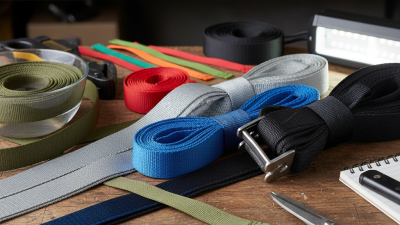
Nylon, polyester, and polypropylene webbing each solve different purchasing problems. Nylon feels soft, bends easily, and absorbs shock well. It suits lifting accessories, protective covers, and applications requiring flexibility. However, moisture can reduce its strength, while sunlight may cause gradual degradation. It also stretches more under load. That choice matters.
Polyester offers lower stretch and stronger resistance to sunlight, moisture, and many common chemicals. I often recommend it when strap length must remain stable during transport or outdoor storage. Its firmer surface can handle repeated friction, but it may feel less forgiving around delicate products. A sample test is still necessary.
Polypropylene is lightweight and usually economical. It resists water, making it useful for packaging, temporary bundling, and general cargo organization. Its lower melting point and weaker long-term UV performance require careful application. I once saw a strap pass a short indoor trial but weaken after extended outdoor exposure. The first result was incomplete.
Global buyers should compare width, thickness, weave density, stitching, working load limit, and temperature range. Material names alone do not prove performance. Ask suppliers for test data and inspect production samples under realistic tension. Do not confuse breaking strength with safe working load. Small details matter. A wet, dirty, or sharply bent strap may behave differently from a clean sample. Supplier documentation helps, but practical verification remains essential.
What Are the Top Webbing Strap Types for Global Buyers?
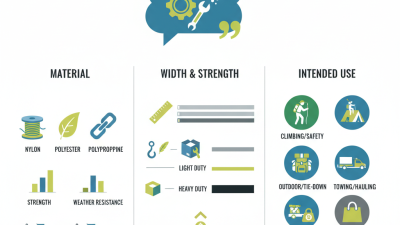
Choosing Strap Width, Strength, and Surface Features
Webbing selection starts with the load, contact area, and working environment. Narrow straps fit compact hardware and lighter assemblies. Wider straps spread pressure across cartons, seats, or equipment frames. A wider strap is not automatically safer. Its strength must match the stitching, buckle, hook, and anchor point.
Polyester webbing offers low stretch and good resistance to sunlight and moisture. Nylon webbing feels softer and absorbs shock, but it can stretch when wet. Polypropylene is lightweight and resists water, although it may perform poorly near heat and prolonged ultraviolet exposure. Check the manufacturer’s tested breaking strength, not only the material name. Working load limits should include a suitable safety margin and account for repeated movement.
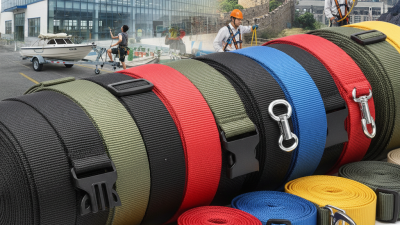
Surface details affect daily handling. A smooth surface slides easily through buckles. A textured weave can improve grip during adjustment. Coated or treated surfaces may resist abrasion, but they can change flexibility and friction. Inspect the edges for fraying, uneven cuts, or loose yarns. Small defects often grow under tension. Buyers sometimes choose the strongest available strap and overlook uncomfortable stiffness. That decision can slow assembly and damage delicate surfaces. Samples should be tested with the actual hardware, temperature, moisture, and movement conditions. One overlooked detail can weaken an otherwise careful specification.
| Webbing Strap Type | Common Widths | Indicative Minimum Breaking Load (MBL) | Typical Elongation Under Load | Surface Features | Main Advantages | Typical Applications | Important Buying Considerations |
|---|---|---|---|---|---|---|---|
| Polyester Webbing | 25–100 mm | 10–80 kN | Approximately 7–15% | Plain, ribbed, high-visibility, reflective, silicone-coated, or abrasion-resistant finishes | Low moisture absorption, good dimensional stability, strong resistance to sunlight and many chemicals | Cam-buckle straps, cargo tie-downs, lifting slings, outdoor equipment, automotive restraint components | Confirm the tested MBL, stitching pattern, edge quality, and whether the required safety factor is included in the stated working load limit |
| Nylon Webbing | 15–100 mm | 8–75 kN | Approximately 15–30% | Soft hand, tubular, brushed, jacquard, or high-friction textured surfaces | High tensile strength, excellent shock absorption, and good flexibility for dynamic loads | Ratchet straps, climbing and rescue equipment, safety harnesses, luggage straps, sporting goods | Absorbs more moisture than polyester and may lose strength when wet; check UV exposure, drying requirements, and elongation limits |
| Polypropylene Webbing | 15–75 mm | 4–35 kN | Approximately 10–25% | Lightweight plain weave, ribbed weave, colored, printed, or heat-sealed edge | Low density, low water absorption, good resistance to acids and alkalis, and economical production | Light-duty tie-downs, packaging, bags, pet products, marine accessories, and general-purpose straps | Lower abrasion, heat, and UV performance than many polyester or nylon constructions; select a UV-stabilized grade for outdoor use |
| UHMWPE Webbing | 10–50 mm | 20–150 kN | Approximately 2–4% | Flat or tubular construction, low-friction surface, coated, laminated, or abrasion-protected finish | Very high strength-to-weight ratio, low stretch, low moisture absorption, and strong resistance to many chemicals | High-performance rigging, marine equipment, lightweight lifting systems, aerospace-related components, and technical outdoor gear | Generally more expensive; assess creep, heat exposure, edge damage, bending radius, and compatibility with hardware |
| Aramid Webbing | 15–50 mm | 15–100 kN | Approximately 2–5% | Plain or twill weave, heat-resistant coating, protective cover, or high-temperature finish | High strength, low stretch, and excellent resistance to elevated temperatures and flame compared with common synthetic fibers | Heat-resistant lifting accessories, industrial protection, motorsport, aerospace, and specialized safety systems | Can be sensitive to prolonged UV exposure, abrasion, and certain chemicals; specify the exact fiber grade and protective treatment |
| Polyester Seat-Belt Webbing | 46–50 mm | Typically 20–30 kN | Approximately 10–20% | Dense smooth weave, soft edges, controlled friction, and colorfast surface | Consistent width, comfortable handling, good abrasion resistance, and suitability for restraint-system assemblies | Automotive restraint components, child-seat assemblies, mobility equipment, and industrial harness products | Use only webbing tested for the relevant restraint or safety application; width alone does not confirm compliance with a regulation |
| Data note: The strength figures are indicative ranges for commonly manufactured woven webbing and are not universal ratings. Actual performance depends on fiber type, denier, weave, width, coating, stitching, hardware, testing method, and environmental conditions. Buyers should request a current test report, material specification, elongation data, abrasion results, and applicable compliance documentation before approving production. | |||||||
What Are the Top Webbing Strap Types for Global Buyers?
Specialized webbing straps must match the application, load, climate, and inspection method. Polyester webbing suits cargo tie-downs because it resists ultraviolet exposure and stretches less than nylon. Nylon offers better shock absorption, making it useful for lifting, rescue, and outdoor equipment. Polypropylene is lightweight and economical, but it performs poorly near high heat.
For high-strength applications, UHMWPE webbing can reduce weight while maintaining impressive breaking strength. However, it may cost more and require careful abrasion testing. Textile Exchange’s 2024 Materials Market Report states that polyester represented about 57% of global fiber production in 2023. That figure explains its broad industrial availability. MarketsandMarkets also projects continued growth in the global webbing market, driven by transportation, protective equipment, and industrial handling.
Tips: Ask for breaking strength, elongation, width tolerance, coating details, and batch test reports. Check edge stitching with your fingers. Loose threads often reveal weak quality control. Select hardware separately; a strong strap cannot compensate for a poor buckle. Buyers should also confirm regional labeling and testing requirements before shipment. These requirements differ across markets. I have found that published specifications are useful, but they are not always enough. Real samples can expose stiffness, odor, or handling problems that a report misses.
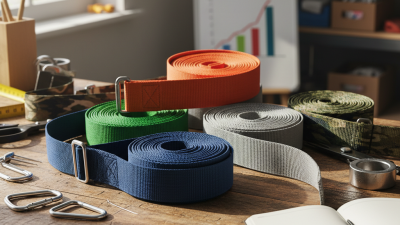
Quality starts with the right fiber. Polyester webbing offers low stretch, strong abrasion resistance, and good color stability. Nylon feels softer and absorbs more impact, but it can stretch under moisture. Polypropylene is lightweight and cost-efficient for general packaging or utility uses. Elastic webbing suits adjustable products, although repeated tension may reduce recovery.
Buyers should inspect more than a polished sample. Check width, thickness, weave density, edge quality, breaking strength, and abrasion performance. Request batch-based test reports, production photographs, and a physical sample from the final lot. Traceability matters. Each roll should carry a clear lot number and inspection record.
Colorfastness also deserves attention, especially for outdoor applications. Small shade differences can become costly across thousands of units.
Customization may include weave pattern, surface coating, printed marks, cut length, stitching, and hardware compatibility. Confirm tolerances in writing. A “50 mm” strap may not remain 50 mm after coating or heat cutting. Ask about minimum order quantities, sampling charges, lead times, and replacement procedures.
I have seen buyers approve attractive samples without testing sewn loops. That was a mistake. The stitching often fails before the webbing.
A stronger evaluation includes a finished assembly, not only loose material. No supplier is perfect, and unclear specifications can create problems on both sides.