Leave Your Message

7 Best Polyester Webbing Suppliers for Global Buyers

Polyester Webbing is used in products where dependable strength, controlled stretch, and consistent dimensions matter. Buyers may need it for cargo straps, outdoor equipment, luggage, or industrial assemblies. The right supplier can help maintain steady specifications across repeat orders. But a polished catalog alone proves little. Sample quality, clear documentation, and responsive communication matter too.

This guide introduces seven Polyester Webbing suppliers for global buyers and outlines practical points for comparing them. It considers product range, customization options, production capabilities, quality checks, and export experience where information is available. These details can help narrow a shortlist, but they cannot replace direct verification. Ask for samples, confirm width and breaking-strength requirements, and clarify colorfastness, packaging, lead times, and order quantities before committing. Small differences count. A webbing that looks identical on a screen may perform differently under load or after repeated exposure to sunlight and moisture. Supplier descriptions can also leave gaps; that is worth noticing, not glossing over. Use the profiles as a starting point, then match each supplier’s stated capabilities against your product needs and internal testing criteria. A careful comparison takes time, but it can reduce avoidable surprises once production begins.
7 Best Polyester Webbing Suppliers for Global Buyers

What Polyester Webbing Is and How It Is Used

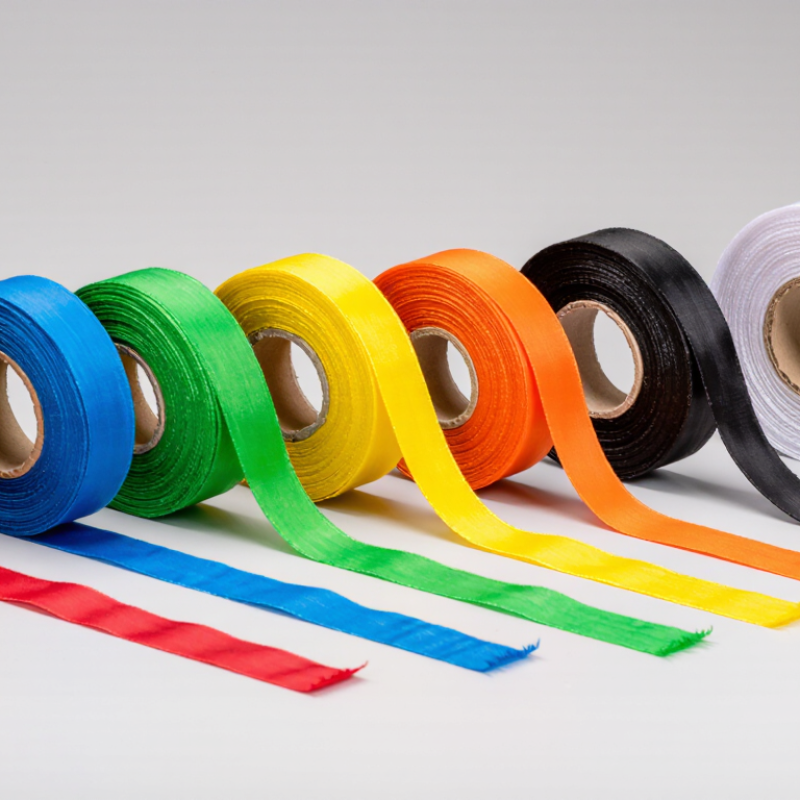
Polyester webbing is a flat, woven strip made from polyester yarns. It is commonly chosen for its strength, low stretch, and ability to handle damp conditions. It also tends to dry quickly and keep its shape during regular use. These qualities make it useful for backpack straps, luggage handles, outdoor equipment, and sewn products. It matters. Width, thickness, weave, and edge finish all affect how webbing feels and performs. A narrow, stiff strip may feel durable but can press uncomfortably against a shoulder.

For buyers, the intended use should guide the choice. Check the supplier’s stated specifications, including width, breaking strength, and any relevant test conditions. A load rating alone does not tell the whole story; stitching, abrasion, sunlight, and repeated bending can affect a finished product. Not always. Two rolls with similar dimensions may behave differently because of yarn quality or weave density. Requesting samples and testing them in the actual design can reveal issues that a specification sheet misses. Even a small change in texture can matter when users handle the webbing every day.

7 Best Polyester Webbing Suppliers for Global Buyers - What Polyester Webbing Is and How It Is Used

Polyester webbing is a woven, flat textile strip made from polyester yarns. Its properties vary with yarn, weave, width, thickness, and finishing; select a supplier according to the intended use and request product-specific test documentation.

Supplier specialization Typical webbing and options Common applications What buyers should verify
General-purpose narrow-fabric supplier Woven polyester tapes in assorted widths, colors, and constructions; custom widths and colors may be available. Bags, garments, luggage, and everyday products. Finished width and thickness tolerances, color consistency, edge quality, minimum order quantity, and sample availability.
Cargo tie-down webbing supplier Heavy-duty woven polyester webbing selected for use in cargo restraint assemblies. Ratchet straps and other load-restraint systems. Webbing breaking-strength test results, traceability, applicable market requirements, and compatibility with the intended hardware and finished assembly.
Lifting-sling webbing supplier Purpose-made polyester webbing for incorporation into lifting slings; finished slings are rated as complete products. Industrial lifting equipment and material handling. Applicable lifting standard, rated capacity of the finished sling, inspection and traceability documents, and confirmation that the webbing is intended for lifting. Do not infer a safe working load from webbing width alone.
Automotive restraint-material supplier Application-specific polyester webbing supplied to the design and performance requirements of the vehicle component. Vehicle safety restraints and related automotive components. Customer qualification requirements, lot consistency, test methods, change control, and evidence of compliance for the specific finished component and market.
Outdoor and marine webbing supplier Polyester webbing in constructions and finishes selected for the intended outdoor or marine environment. Outdoor equipment, boat accessories, and general marine applications. Evidence for any claimed UV, abrasion, moisture, or chemical performance; confirm suitability for the exposure conditions and the complete assembly.
Apparel and accessories webbing supplier Lightweight or decorative polyester tapes, potentially offered in custom colors, patterns, or surface finishes. Belts, bag straps, trims, footwear, and fashion accessories. Color matching, hand feel, appearance after sewing, restricted-substance documentation when required, and care or wash performance for the end product.
Custom-weave and OEM supplier Made-to-order webbing specifications, such as custom width, weave, color, pattern, or finishing, subject to production capability. Private-label products, specialized equipment, and projects with defined technical specifications. Written specification approval, sample sign-off, production lead time, quality-control plan, packaging details, and pre-shipment inspection options.

How to compare suppliers: Share the intended application, required dimensions, color, quantity, destination market, and any applicable standard. Compare like-for-like samples and test reports; strength, durability, and compliance depend on the specific webbing and its finished use.
How to Assess Polyester Webbing Suppliers

7 Best Polyester Webbing Suppliers for Global Buyers
How to Assess Polyester Webbing Suppliers

Assess a supplier by testing the webbing, not just reviewing a product sheet. Textile Exchange’s Materials Market Report 2024 estimates that polyester made up 57% of global fiber production in 2023. That scale makes clear specifications essential. Request details on yarn type, weave, width tolerance, breaking strength, and elongation. Ask for recent test reports, and check whether samples match the quoted specifications. Numbers set the context. They do not guarantee consistent production.

For a practical comparison, use the same test requirements with each supplier. ASTM D6775 covers breaking strength and elongation testing for textile webbing, tape, and braided materials. Review batch traceability, color consistency, and inspection procedures too. If the webbing will face sunlight or repeated washing, request relevant performance tests rather than relying on general claims. A neat sample can hide uneven edges or inconsistent thickness. I would still inspect production batches; a sample alone is not enough.

Tips: Request samples from more than one production lot. Ask how defects are recorded and resolved. Confirm lead times, minimum order quantities, packaging, and shipping terms in writing. Then compare the full evidence—not just the price. Ask for proof.

How to Assess Polyester Webbing Suppliers

Suggested buyer evaluation weights—not measured supplier results. Compare documented tensile-strength test data, batch consistency, certifications and traceability, customization capability, delivery capacity, and total cost when assessing suppliers.

Seven Polyester Webbing Suppliers Serving Global Buyers

Seven polyester webbing suppliers may offer similar-looking rolls, yet their specifications can differ sharply. Buyers should compare width tolerance, yarn construction, edge finish, color consistency, and available breaking-strength test reports. A 25 mm strap should sit flat, with no curled edges or loose picks. Small defects matter. Ask whether test results apply to the exact construction ordered, not just a similar sample. Also check minimum order quantities, color-matching options, production lead times, and export packaging.

Upstream fiber supply gives useful context, but it cannot prove a webbing’s quality. Textile Exchange’s Materials Market Report 2024 estimates that polyester represented about 57% of global fiber production in 2023, within a total of roughly 124 million tonnes. That scale supports broad material availability; it does not guarantee consistent finishing or traceability from any one supplier. A useful seven-supplier review should therefore weigh documented quality controls alongside price and capacity. Request a recent production sample and compare it with the approved specification under normal handling. A neat spreadsheet can still mislead. I would also leave room for a practical question: how quickly does each supplier explain a mismatch, and what evidence follows? Be cautious when claims sound precise but arrive without test methods or dated records.

How Supplier Capabilities, Certifications, and Lead Times Compare

For global buyers, polyester webbing suppliers differ in more than price. Compare their control over yarn selection, weave density, edge finishing, and color consistency. Ask for samples in the exact width and construction you plan to order. A 25-millimeter strap should feel even along its length, with no loose fibers or wavering edges. Small details matter.

Certifications and test records help separate proven capability from polished sales claims. Request current documents, the issuing body, and test reports tied to the material or production site. Check whether reports cover tensile strength, abrasion, colorfastness, or UV exposure when those properties matter for your application. Paperwork alone is not enough. Confirm batch traceability and ask how defects are handled. Some suppliers provide clear answers; others may need prompting.

Lead times deserve the same scrutiny. Ask for separate estimates for sampling, production, inspection, and shipping, then confirm what could delay each stage. Stock colors may move quickly, while custom shades or special finishes often add weeks. Request a realistic schedule, not an optimistic one. It can still change. Before placing a large order, compare a sample against the specification and keep written approval records. Even careful buyers sometimes overlook packaging or labeling details, so include them in the quotation.

How to Choose a Supplier for Your Business Needs

Choosing a polyester webbing supplier starts with the job the material must do. Define the required width, thickness, color, and working load before requesting quotes. State whether the webbing will face sunlight, moisture, abrasion, or repeated washing. A strap for outdoor equipment may need different testing from one used for indoor packaging. Samples matter.

Ask suppliers for current test reports covering breaking strength, elongation, and colorfastness. Check that the tested construction matches the sample you received. Ask for evidence. Compare production consistency, not only a single test result. A low price can look attractive, but uneven edges or changing thickness may cause stitching problems and added inspection work.

Confirm minimum order quantities, sample charges, lead times, and packaging details in writing. Ask how the supplier handles color changes or delayed raw materials. Communication matters. Send a clear specification sheet and request confirmation of each key detail. If answers stay vague, pause before placing a large order. It is tempting to treat certificates as a complete guarantee, but they do not replace checking samples and shipment records. Leave room for a small trial order; it may reveal issues that a polished quotation misses.