Top 10 Fabric Sling Options for Global Buyers in 2026?
As the demand for versatile and sustainable solutions grows, the fabric sling market is expected to thrive. Fabric slings are lightweight yet strong, ideal for various applications. Their adaptability makes them popular among global buyers looking for efficient transport and storage options.
In 2026, the fabric sling market will showcase innovations tailored to meet customer needs. From eco-friendly materials to unique designs, brands are focused on sustainability and functionality. Users appreciate the comfort and ease that come with using fabric slings, enhancing their overall experience.
However, potential buyers must navigate a saturated market. Not all fabric slings are created equal. Some may not offer the durability or safety promised. It is essential to research brands thoroughly. Knowing which fabric sling fits specific requirements is crucial for making informed decisions. Balancing quality and price can be challenging, but it ultimately leads to a more satisfactory purchase.
Top 10 Fabric Sling Options for Global Buyers in 2026
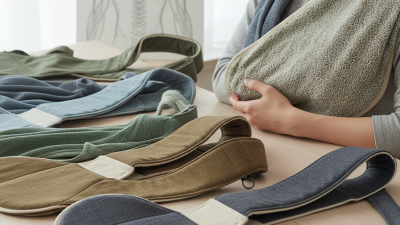
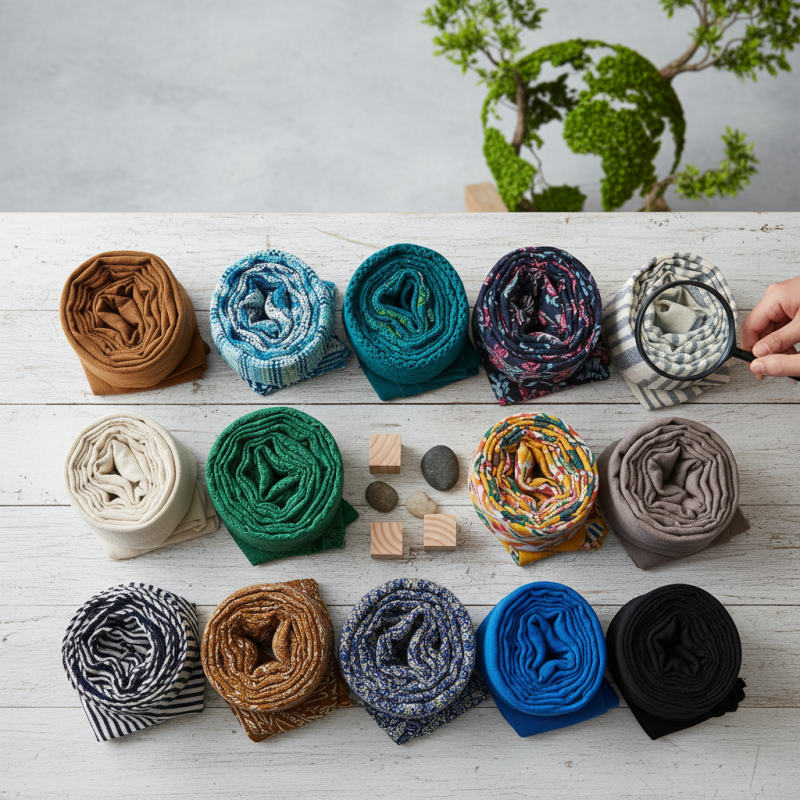
Exploring diverse fabric sling options is crucial for global buyers in 2026. Each material offers unique benefits. Cotton slings provide softness and comfort. They’re breathable, making them ideal for warm climates. On the other hand, nylon slings are durable and resistant to wear. They're great for heavy lifting, but their synthetic nature may not appeal to everyone.
Buyers should also consider eco-friendly materials. Bamboo fabric is sustainable and offers natural antibacterial properties. However, it can be more expensive than conventional fabrics. Transparency in sourcing these materials is vital. It builds trust with consumers. Reflecting on personal preferences can guide buyers towards the right choice. The balance between functionality and sustainability is worth pondering. What matters most—durability or environmental impact? This remains a key question for buyers worldwide.
Top 10 Fabric Sling Options for Global Buyers in 2026
Understanding Fabric Sling Types and Their Applications
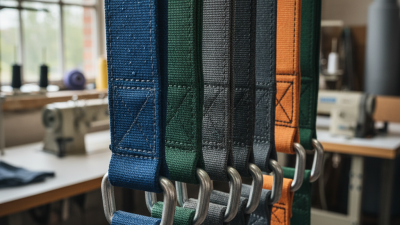
Fabric slings are versatile tools that cater to various applications. They are predominantly used for lifting and securing loads in industries such as construction, logistics, and manufacturing. Understanding the different types of fabric slings is vital for selecting the right one. Common types include flat slings, round slings, and lifting straps. Each type has unique benefits suited for specific tasks.
Flat slings are known for their strength and durability. They perform well in heavy-duty applications. Round slings, on the other hand, offer flexibility and ease of use. They are ideal for lifting fragile or irregularly shaped items. Lifting straps can provide additional support, enhancing safety during transport. The right choice can significantly improve operational efficiency.
However, buyers must consider several factors before making a decision. Weight capacity and environment are critical when choosing slings. Not all slings can withstand extreme temperatures or rough surfaces. Ignoring these aspects may lead to accidents. Each application presents unique challenges, and understanding these helps in making informed choices. It's essential to continuously assess and adapt based on real-world usage and needs.
Key Features to Consider When Choosing Fabric Slings
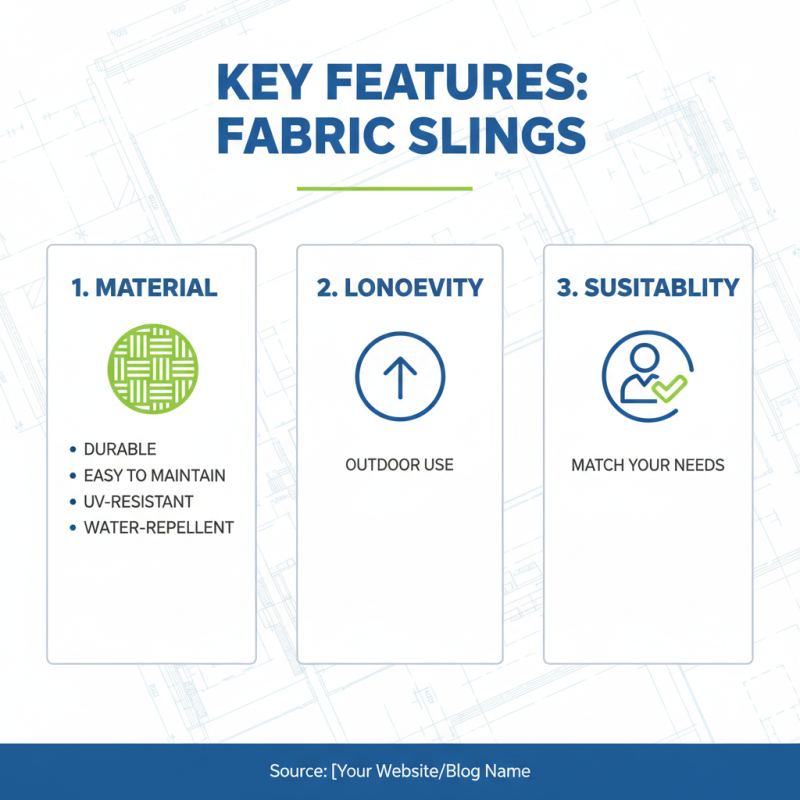
When selecting fabric slings, it’s crucial to evaluate key features that suit your needs. One significant aspect is the material. The fabric used should be durable and easy to maintain. Consider options that are UV-resistant and have water-repellent capabilities. This will ensure longevity, especially in outdoor settings.
Another feature worth considering is the weight capacity. Different fabric slings are designed for varying loads. Always check the recommended weight limit to avoid accidents. Stability is also essential. A well-constructed sling will provide a secure hold, regardless of the load. Look for added safety features like reinforced stitching.
Tips: Always double-check the manufacturer’s guidelines. This can prevent misunderstandings about the sling’s use. When in doubt, consult with experts or peers who have experience. This can provide invaluable insights. Testing slings under controlled conditions can also help in assessing their performance. Be open to feedback and ready to adjust your choices based on real-world experiences.
Comparative Analysis of Leading Fabric Sling Brands
The global market for fabric slings is projected to grow significantly by 2026, driven by increased demand across various sectors. Recent industry reports indicate that the fabric sling market is expected to reach approximately $1.2 billion in value. This growth is influenced by a heightened focus on safety and durability in lifting equipment, along with innovations in fabric technology.
A comparative analysis of leading fabric sling brands reveals some common trends. Manufacturers are emphasizing lightweight materials without compromising strength. Some studies show that slings made from high-tenacity polyester exhibit a 20% greater load-bearing capacity compared to traditional options. However, the sustainability of materials is a point of contention. Many products are still sourced from non-renewable resources, which raises questions about their long-term environmental impact.
While there are many options available, not all slings perform equally under varying conditions. Some users report issues with wear and tear after limited use. Additionally, the lack of standardized testing across brands complicates the decision-making process for buyers. It is essential to examine manufacturer specifications and consider user feedback before making a purchase. This ensures optimal performance and safety in applications across industries.
Market Trends Influencing Fabric Sling Choices in 2026
In 2026, the global fabric sling market is shaped by several trends.
Sustainability is at the forefront. Consumers increasingly demand eco-friendly materials.
Manufacturers are shifting to organic fibers and recycled fabrics.
This movement aligns with a growing awareness of environmental issues. As a result, many options now focus on reduced environmental impact.
Comfort and versatility are also key. Buyers today seek slings that offer both ease of use and adaptability.
Lightweight, breathable fabrics are preferred. These choices cater to various lifestyles, from active outdoor adventures to casual home use.
However, not all products meet these needs effectively. Some slings sacrifice comfort for designs that look appealing.
Buyers should prioritize functionality without neglecting style.
Finally, regional preferences influence material choices. In some markets, vibrant colors and patterns are popular.
In others, muted tones reign supreme. This diversity creates challenges for producers. They must balance local tastes with broader trends.
Thus, market players face an ongoing need for innovation.
Research and feedback loops are critical to refine offerings. The path forward requires constant adaptation to these evolving buyer preferences.
Conclusion
As the market for Fabric Slings evolves in 2026, global buyers are presented with a variety of options tailored to meet diverse operational needs. Understanding the different types of Fabric Slings and their applications is crucial for selecting the right sling for specific tasks. Key features such as weight capacity, material durability, and ease of use are important considerations that can significantly impact performance and safety.
Additionally, a comparative analysis of leading Fabric Sling brands reveals the varied innovations and technologies driving the market forward. Current trends indicate a growing demand for sustainability, prompting manufacturers to explore eco-friendly materials in Fabric Sling production. Overall, the landscape for Fabric Slings is becoming increasingly dynamic, encouraging buyers to prioritize both functionality and environmental responsibility in their purchasing decisions.