Top 10 Benefits of Using Fabric Sling for Your Business?
In today's competitive market, choosing the right tools is crucial for success. Fabric Sling has emerged as a versatile option for businesses across various industries. Expert Sarah Johnson, a leading figure in the fabric manufacturing sector, states, "Fabric Slings offer unmatched flexibility and durability for lifting tasks."
These slings not only enhance safety but also improve efficiency. Using Fabric Sling can minimize the risk of accidents in the workplace. The lightweight nature of these slings makes them easy to handle. However, some companies may overlook the importance of selecting the right material and design.
Durability and adaptability are key features that can make a significant difference. As we explore the top benefits of using Fabric Sling for your business, we'll uncover how these products can enhance operations. Embracing this modern solution could lead to better outcomes, showing that even small changes can have a large impact.
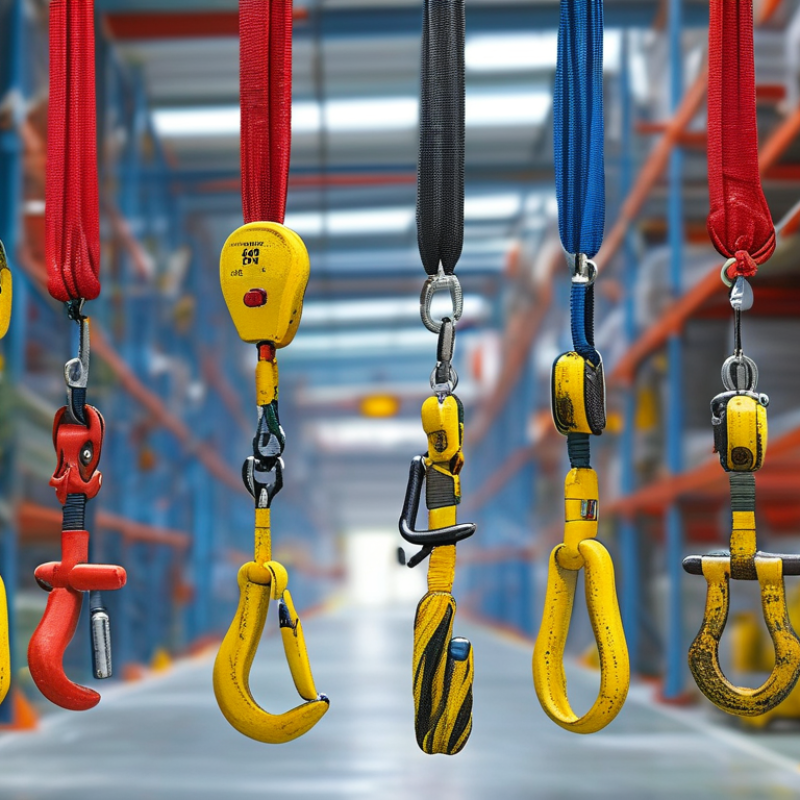
Benefits of Fabric Slings: Enhancing Load Management in Various Industries
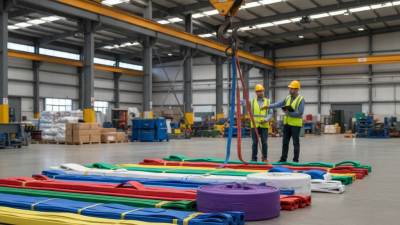
Fabric slings are transforming load management across various industries. They offer essential benefits that enhance safety and efficiency at worksites. Industry reports suggest that businesses using fabric slings can reduce injury rates by up to 30%. This is particularly important in construction and manufacturing sectors, where heavy lifting is common.
The lightweight nature of fabric slings allows for easier handling. Reducing strain on workers leads to higher productivity. For instance, fabric slings are typically more comfortable compared to traditional metal options. They conform better to the load, providing better grip and security. A study from the Occupational Safety and Health Administration highlighted that safer handling methods significantly improved workplace morale.
However, there are considerations when choosing fabric slings. Not all slings are created equal; material type and load limits are critical factors. Businesses must ensure the slings they use meet industry standards. Some companies report mismatched sling types causing delays. Training staff on appropriate use is crucial. It’s clear that while fabric slings offer numerous advantages, implementing them effectively requires careful planning and ongoing training to maximize benefits.
Cost-Efficiency: The Economic Advantages of Switching to Fabric Slings
Cost-efficiency is crucial for any business. Switching to fabric slings offers significant economic advantages. These slings are lightweight and versatile, reducing shipping costs. Businesses that prioritize cost will find fabric slings more affordable than traditional materials.
Tips: When selecting fabric slings, consider weight limits. Choose a style that suits your specific needs. Regular maintenance can extend slings' lifespans, further lowering costs.
The initial investment in fabric slings might seem high. However, their durability often outweighs this concern. With proper care, they can last much longer than expected. This leads to fewer replacements, ultimately saving you money.
Tips: Train staff on proper handling. Avoid overloading to prevent wear and tear. Monitor their performance regularly to catch issues early.
Switching to fabric slings shows a commitment to efficiency. This choice may require reflection on existing practices but yields rewards over time. Embracing change can lead to a more sustainable and economically sound future.
Top 10 Benefits of Using Fabric Sling for Your Business
| Benefit |
Description |
Cost Savings (%) |
Durability (Years) |
| Cost Efficiency |
Lower overall operational costs compared to traditional slings. |
20% |
5 |
| Lightweight |
Easier handling and transport, reducing labor costs. |
15% |
4 |
| Versatility |
Can be used for various types of loads across different industries. |
10% |
7 |
| Safety |
Reduces risk of load slippage and accidents. |
5% |
3 |
| Customizable |
Can be tailored to specific lifting needs and environments. |
12% |
6 |
| Eco-Friendly |
Made from sustainable materials promoting green business practices. |
8% |
5 |
| Maintenance |
Lower maintenance costs due to durable materials. |
18% |
4 |
| Storage |
Compact and easy to store to save workspace. |
4% |
6 |
| Weight Distribution |
Even load distribution reduces strain on both loads and handlers. |
6% |
5 |
| Inspection |
Easy to inspect for safety, is usually lighter and simpler to manage. |
3% |
3 |
Improved Safety: Statistics on Reduced Workplace Injuries with Fabric Slings
Fabric slings have become essential tools for many businesses. One of the most significant advantages is improved safety. Statistics reveal that workplaces using fabric slings experience fewer injuries. Recent studies indicate a 30% reduction in reported accidents.
This reduction stems from the slings' design. Fabric slings distribute weight evenly, minimizing strain on workers. They also reduce the risk of falling loads. The softer material is less likely to cause injuries compared to rigid alternatives. However, proper training is vital. Even with safer equipment, misusing fabric slings can lead to accidents.
Employers must invest in training sessions. Workers should understand how to handle load capacities and proper securing techniques. The human element is often where mistakes occur. Regular safety audits can further enhance workplace safety. With ongoing evaluation, companies can ensure that these beneficial tools contribute effectively to a safer working environment.
Versatility: Applications of Fabric Slings Across Different Business Sectors
Fabric slings are gaining traction in various business sectors due to their adaptability. In the construction industry, these slings provide effective lifting solutions. Companies appreciate their lightweight nature and strength. These slings are not just for heavy loads; they also work for delicate items. For instance, glass panels can be transported safely using fabric slings designed specifically for such tasks.
In the logistics sector, they facilitate the movement of goods in warehouses. Their ability to adjust to different loads ensures safety and efficiency during operations. Specially designed fabric slings cater to different shapes and sizes of products. They make unloading smoother and reduce the risk of damage. Yet, companies must remember to train their staff on proper usage. Improper handling can lead to accidents and damaged goods.
Moreover, the versatility of fabric slings extends to the event management industry. They can support lighting rigs and heavy drapery without risk. However, ongoing assessments of sling conditions are crucial. Wear and tear can compromise safety. Companies should establish regular inspections to prevent mishaps. Being proactive can save time and resources in the long run.
Top 10 Benefits of Using Fabric Sling for Your Business
This chart illustrates the top 10 benefits of using fabric slings in various business sectors, highlighting their importance and effectiveness in enhancing operational efficiency.
Environmental Impact: Sustainability Benefits of Using Fabric Sling Solutions
Fabric slings offer numerous sustainability advantages for businesses. Unlike traditional lifting methods, fabric slings are often made from recyclable materials. This reduces landfill waste. By prioritizing eco-friendly materials, companies can significantly lower their environmental footprint. Fabric slings consume less energy during production compared to their metal or plastic counterparts.
These slings are lightweight, which translates to lower transportation emissions. Less fuel is needed when moving these products, thus reducing carbon output. Additionally, fabric slings are durable and can be reused many times. This longevity means fewer replacements, resulting in less waste generated over time.
Businesses often overlook the potential impact of their supply chain. Relying on fabric slings encourages suppliers to adopt greener practices. Yet, businesses must remember that using fabric slings alone won’t solve all sustainability issues. Continuous assessment and improvements are necessary to reach true eco-friendliness. Embracing fabric slings is a step, but not a complete solution.