Best Lifting Sling Options for Global Buyers Today?
In today's fast-paced industrial world, choosing the right lifting sling is crucial. Many factors contribute to this decision. Understanding various types and their applications is essential for global buyers seeking the best options. A lifting sling can significantly enhance safety and efficiency in lifting operations.
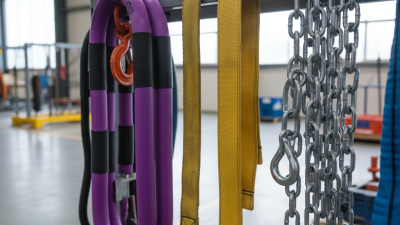
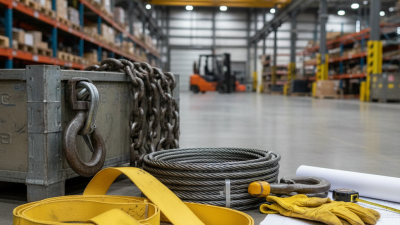
Lifting slings come in different materials, such as nylon, polyester, and chain. Each type has unique advantages and applications. Many professionals struggle to identify the best lifting sling for their specific needs. Variation in lifting capacity, durability, and flexibility can lead to confusion.
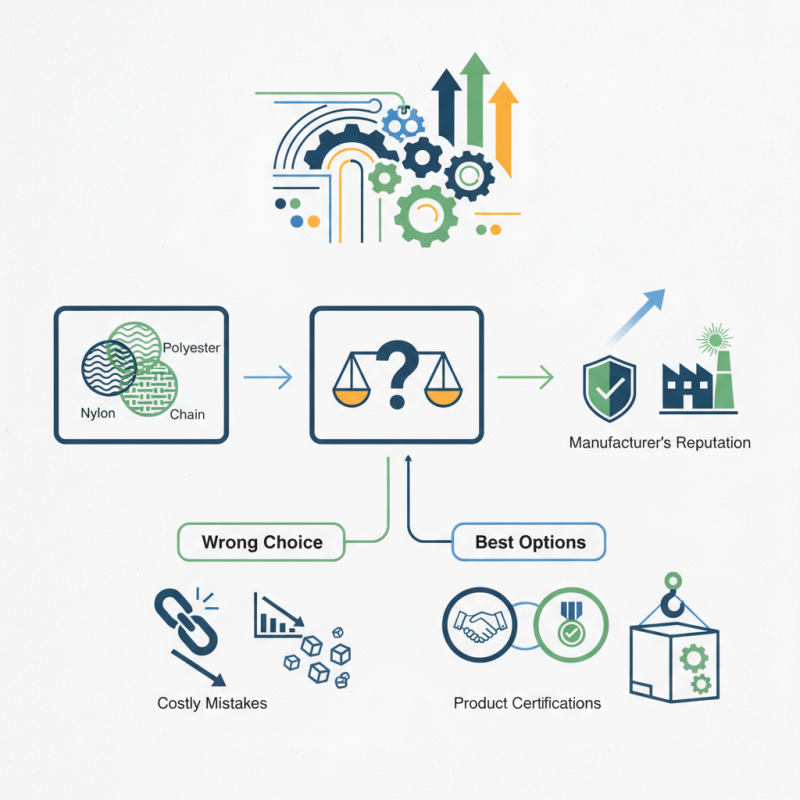
As buyers research, it is vital to consider the manufacturer’s reputation and product certifications. This reliability ensures that the lifting sling meets safety standards. While some may rush into a decision, taking time to reflect on the specific lifting requirements can pay off. With the right lifting sling, operations can improve significantly, but the wrong choice may result in costly mistakes.
Best Lifting Sling Options for Global Buyers Today
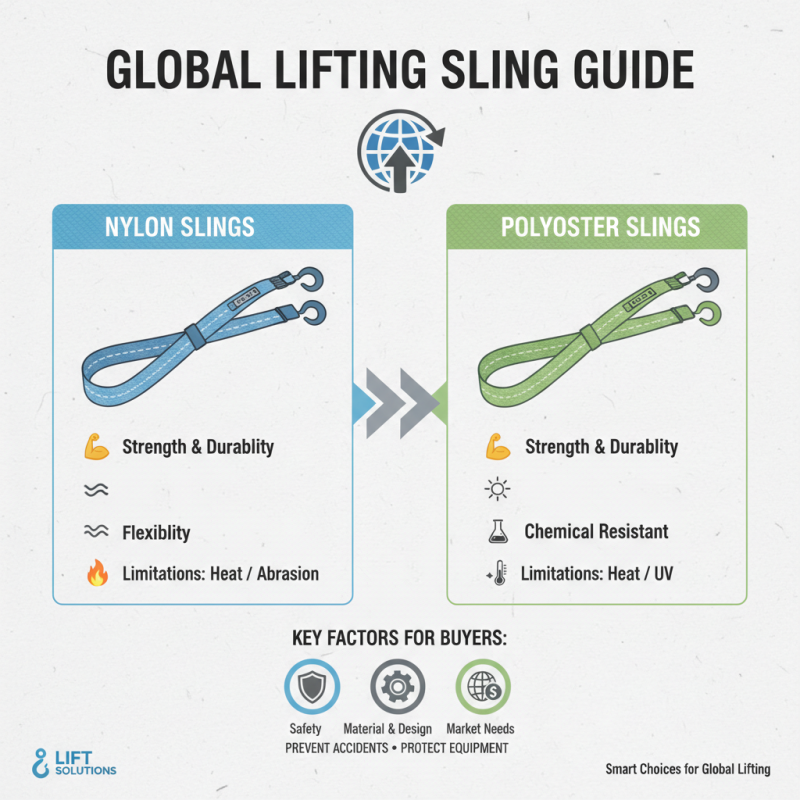
When considering the best lifting sling options for today’s global market, several factors come into play. The material and design of the sling greatly influence its safety and usability. For instance, nylon and polyester slings are popular due to their strength and durability. Yet, users must be aware of their limitations, such as temperature resistance and abrasion. This knowledge can prevent accidents and equipment damage.
Different industries may require specific types of slings. For lifting heavy loads, a wide, flat sling may distribute weight better than a narrow one. However, not all lifting slings are suited for every job. Choosing the right sling demands careful assessment. Users should examine the load capacity and work conditions thoroughly. Overloading a sling can lead to catastrophic failures.
Moreover, some lifting slings come with built-in safety features, but not all do. It’s crucial to recognize the importance of regular inspections. This practice ensures reliability and compliance with safety standards. Each lifting situation is unique, and this should drive decision-making. Reflecting on past experiences can enhance future choices, contributing to safer lifting operations.
Understanding Lifting Slings: Types and Materials Used
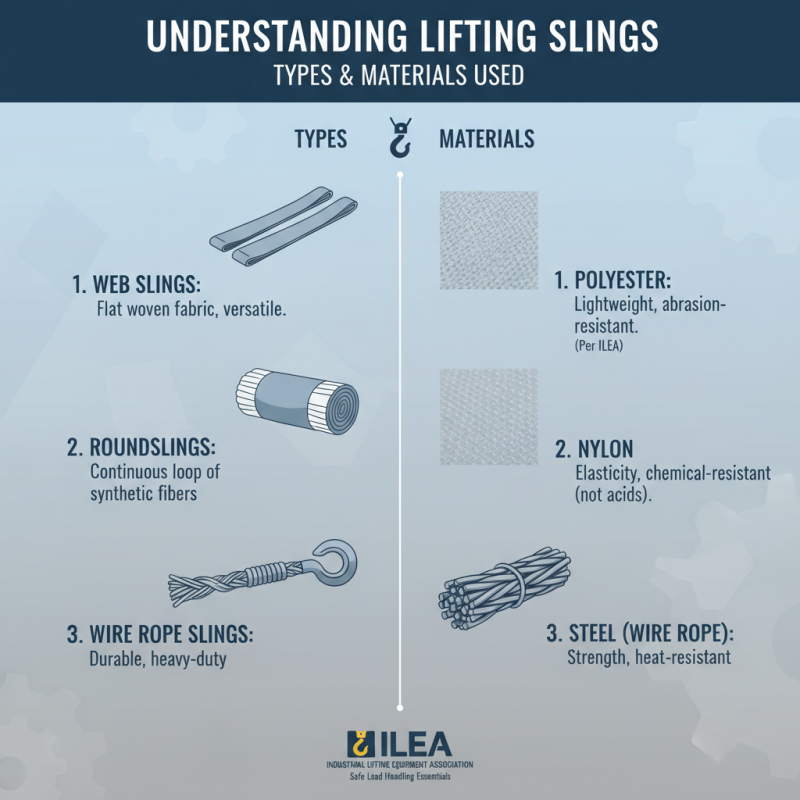
Lifting slings are essential for safe load handling across various industries. They come in different types and materials, each suited for specific tasks. Common materials include polyester, nylon, and wire rope. According to the Industrial Lifting Equipment Association (ILEA), polyester slings are popular due to their lightweight nature and resistance to abrasion.
There are several types of lifting slings, including flat slings, round slings, and chain slings. Flat slings provide a wide load-bearing surface, minimizing damage. Round slings are flexible and work well for lifting oddly shaped objects. Each type has advantages and limitations that must be considered.
Industry data shows that improper use of slings leads to accidents. A report by the Occupational Safety and Health Administration (OSHA) indicates that 25% of all lifting accidents are caused by equipment failure. This highlights the need for proper training and inspection of lifting equipment. Understanding the specific requirements of different materials and types can improve safety and efficiency in lifting operations. The choice of lifting sling must be informed by both the load type and weight, ensuring reliable performance under varying conditions.
Market Trends: Growth Projections for Lifting Sling Industry 2023-2028
The lifting sling industry is poised for substantial growth between 2023 and 2028. A recent market analysis predicts a compound annual growth rate (CAGR) of approximately 5.2%. This growth is attributed to several factors, including rising construction activities and an increase in logistics operations. Industries are investing in efficient lifting solutions to enhance productivity and safety.
Demand for advanced materials in lifting slings is increasing. Synthetic fibers, like polyester, offer higher strength and stability. Reports show that slings made from these materials can withstand higher loads while being lightweight. Additionally, the rise in automation within warehouses is pushing companies to adopt more reliable lifting equipment. Traditional steel slings remain popular but often lack the flexibility needed for modern applications.
However, despite the growth, challenges exist. Many companies struggle with compliance and testing of lifting slings to ensure safety standards are met. Not all businesses keep up with safety protocols, leading to operational risks. The training of personnel on proper lifting techniques is also an ongoing concern. Addressing these issues is critical for safeguarding workers and optimizing lifting operations in various sectors.
Key Factors in Selecting Lifting Slings: Safety Ratings and Compliance
When selecting lifting slings, safety ratings are crucial. Reports suggest that around 30% of lifting accidents stem from equipment failure. This highlights the importance of using slings that meet or exceed safety standards. Compliance with regulations like ANSI/ASME can prevent potentially hazardous situations. Understanding the weight capacity and load limits is essential to avoid overloading.
Another key factor is the material of the slings. Common materials include nylon, polyester, and wire rope. Each has its unique strengths and weaknesses. For instance, nylon slings are versatile but may degrade when exposed to UV light. Conversely, wire rope offers durability but can be cumbersome. Evaluating the work environment plays a role too. Certain applications may require slings resistant to chemicals or extreme temperatures.
Inspection protocols are often overlooked. Regular checks can catch wear and tear early, reducing the risk of failure. However, data shows that only about 40% of users conduct routine inspections. This gap necessitates a culture of safety awareness. Encouraging diligent practices can lead to better outcomes. Remember, the right lifting sling enhances safety and promotes efficiency in your operations.
Top Manufacturers: Leading Brands in Lifting Sling Production and Innovation
When it comes to lifting slings, the choice in the market today is vast. Many manufacturers focus on innovation and durability. The leading brands invest heavily in developing slings that meet strict safety standards. This ensures users can rely on their products for heavy lifting tasks.
Among the top players, there’s a variety of materials used. Some slings are made from synthetic fibers, while others may use steel. Each option brings unique benefits. Synthetic slings are often lighter and easier to handle, while steel slings offer exceptional strength. It’s crucial for buyers to assess their specific needs carefully. Not all brands perform equally well under stress.
Additionally, manufacturing processes are evolving. More companies prioritize sustainability and eco-friendly materials. Yet, some consumers may remain skeptical about the longevity of such products. The balance between sustainability and strength is a subject worth reflecting on.
In this competitive landscape, understanding the nuances of each product is vital for informed decision-making. Buyers must keep testing various options to find their ideal lifting sling. This exploration can be both rewarding and enlightening.
Best Lifting Sling Options for Global Buyers Today
Conclusion
The article "Best Lifting Sling Options for Global Buyers Today" provides an insightful overview of the various types and materials of lifting slings available in the market. It delves into the growing trends within the lifting sling industry, projecting significant growth from 2023 to 2028. Understanding the key factors in selecting the right lifting sling is essential, with an emphasis on safety ratings and compliance standards that ensure reliability and user safety.
Moreover, the discussion covers the prominent manufacturers that lead the market in innovation and production of lifting slings, emphasizing a diverse range of options for global buyers. The article also includes a cost analysis, highlighting price variations across different types of lifting slings, enabling buyers to make informed decisions based on quality and budget considerations.