2026 Best Lifting Sling Options for Global Buyers?
In the ever-evolving world of construction and logistics, choosing the right Lifting Sling can greatly influence safety and efficiency. According to a recent report by the International Lifting Equipment Engineers Association, the global market for lifting slings is projected to grow by 5% annually, reflecting the increasing demand for safe lifting solutions. Industry expert John Anderson states, "Investing in high-quality lifting slings is not just a choice; it's a necessity for safety."
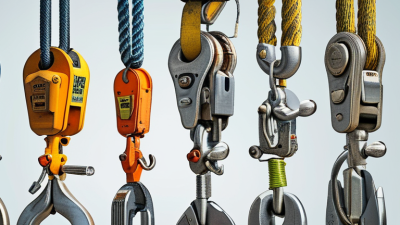
Lifting Slings come in various materials, including polyester, nylon, and wire rope. Each type has its unique applications and limitations. For instance, while polyester slings are lightweight and versatile, they lack the heat resistance of the more robust wire rope slings. Choosing the right material can be daunting, and many buyers fall into the trap of selecting based on price alone.
The implications of these decisions can be significant. Improper selection of Lifting Slings can lead to accidents, increased downtime, and costly injuries. Buyers must critically assess their needs and the performance of each option. Understanding pain points can shape better purchasing decisions. With the right information, global buyers can avoid common pitfalls in the lifting industry.
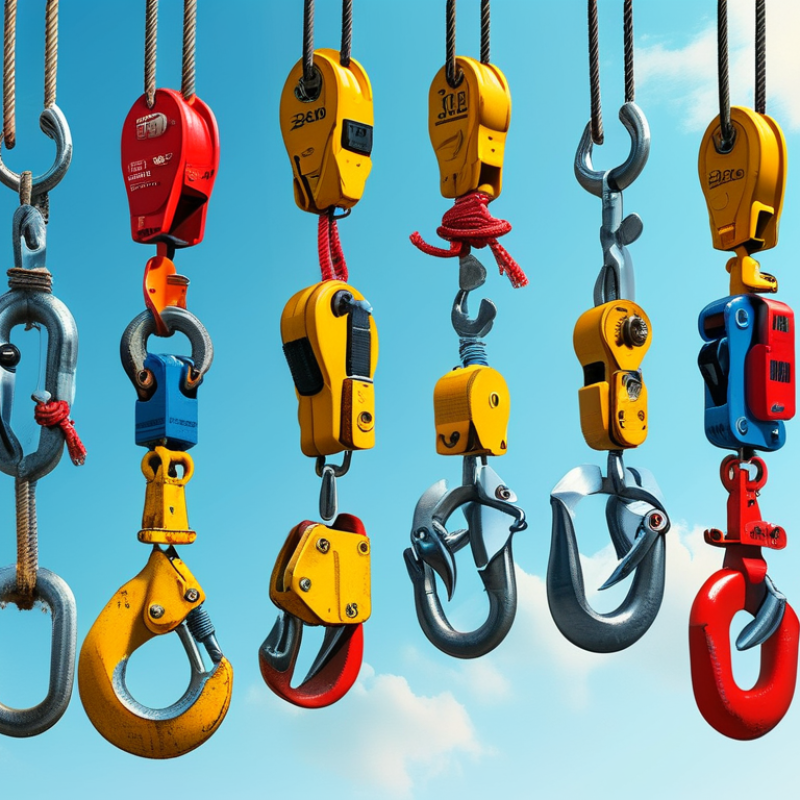
Top Considerations for Choosing Lifting Slings in 2026
When selecting lifting slings, safety is paramount. Buyers must prioritize materials that are durable yet flexible. The correct fabric determines how well a sling can withstand heavy loads. Both nylon and polyester are popular choices due to their strength. Consider the lifting capacity of each sling. This varies widely, and choosing one that exceeds your requirements increases safety margins.
Another critical consideration is the sling's length and width. Longer slings provide more versatility but can also complicate securing loads. Width impacts the distribution of weight, influencing how safe the lift will be. Reflecting on past lifting experiences is vital; any incidents or near misses can inform your choices. Sometimes, greater awareness of your environment can make a difference.
Finally, think about the future of lifting operations. Trends and innovations may change the way slings are designed and utilized. Stay informed about industry advancements. This knowledge can lead to better decisions. Balancing between traditional methods and modern technology can be challenging. It requires ongoing reflection and adjustment to ensure reliability and effectiveness.
Types of Lifting Slings: Overview of Materials and Designs
When selecting lifting slings, understanding the different types is crucial. There are several materials used in their design. Nylon slings are popular for their durability. They offer excellent resistance to abrasion and chemical exposure. On the other hand, polyester slings provide minimal stretch and are lightweight, making them ideal for specific lifting tasks.
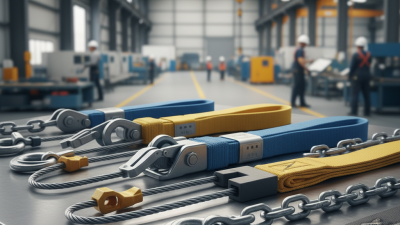
In terms of design, lifting slings can be found in various configurations. Flat slings are versatile and can be used in multiple lifting situations. Round slings, with their unique construction, provide added strength and flexibility. These designs impact how slings perform under load. Some users find it challenging to determine which type is best suited for their needs. This requires careful consideration and sometimes trial and error.
Each material and design has its pros and cons. For instance, while nylon slings are strong, they can be affected by UV exposure over time. Awareness of these factors is essential for making informed decisions. Proper training on using slings effectively can also avoid common errors in lifting tasks. Understanding the right sling for the job enhances safety in any lifting operation.
2026 Best Lifting Sling Options for Global Buyers
Safety Standards and Regulations for Lifting Slings Globally
Lifting slings are crucial in various industries. They provide support and security for heavy loads. However, safety standards and regulations are essential to ensure their effectiveness and prevent accidents. Different countries have specific guidelines that must be adhered to when using lifting slings. These regulations often cover material specifications, testing criteria, and labeling requirements.
Understanding these safety standards can be challenging. It's vital to familiarize yourself with local regulations regarding lifting slings. In addition, organizations like the American National Standards Institute (ANSI) or the Occupational Safety and Health Administration (OSHA) offer valuable resources. Buyers should always verify if their lifting slings comply with these standards. This practice not only enhances safety but also promotes reliability.
Choosing the right lifting sling is not only about strength. It’s equally important to consider the working environment. Factors such as load types, angles, and weights can influence the choice of sling material. Regular inspection and maintenance are also crucial. Slings should be checked for wear and damage before each use to avoid failures. Adopting these practices contributes to a safer workplace.
How to Properly Maintain and Inspect Lifting Slings
Maintaining and inspecting lifting slings is vital for ensuring safety and reliability in lifting operations. A recent report highlighted that improper sling maintenance can lead to a significant increase in accidents, with nearly 20% of lifting injuries resulting from equipment failure. Regular inspections can reduce these risks, ensuring that slings remain in optimal condition.
Visual inspections should occur before each use. Look for signs of wear, such as cuts, fraying, or discoloration. According to industry standards, slings should be checked for any structural damage. It's essential to document these inspections, as records provide accountability and help identify any recurring issues. Over time, it becomes apparent that certain slings may not withstand repeated loads, requiring early replacement.
Beyond visual checks, it's crucial to adhere to manufacturers' guidelines for detailed inspections. Some reports indicate that slings should undergo thorough annual inspections by certified personnel. Addressing minor issues early can prevent potential failures that pose risks. Consider training staff on proper inspection techniques. Empowering employees can improve overall safety and prolong the lifespan of lifting equipment.
Comparative Analysis of Leading Lifting Sling Brands in 2026
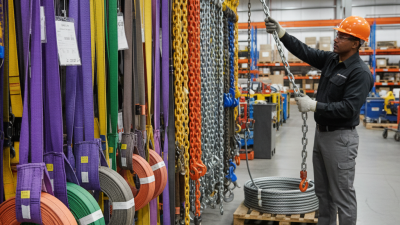
When considering the best lifting slings in 2026, it's essential to evaluate different brands based on performance, safety, and durability. Users often prioritize slings that provide excellent weight distribution and minimize the risk of slippage. Many brands offer unique features, such as color coding for weight limits, which enhances visibility during operations. However, prospective buyers should not simply focus on brand names; understanding material composition is crucial.
Tips. Always check the load capacity before purchasing. Consider how frequently you will use the slings. If you lift heavy loads regularly, investing in higher-quality materials is wise. Look for slings that are resistant to abrasion and UV light. They tend to last longer and reduce replacement costs.
In addition, pay attention to user reviews. Feedback from other buyers provides insights into real-world performance. While marketing claims are compelling, personal experiences often reveal hidden flaws or advantages. It’s important to analyze both positive and negative reviews, as they can highlight aspects that the manufacturer may overlook. Reflect on how each sling aligns with your specific lifting needs.
2026 Best Lifting Sling Options for Global Buyers
| Type |
Capacity (tons) |
Material |
Length (m) |
Color Options |
Price (USD) |
| Flat Sling |
5 |
Polyester |
4 |
Red, Blue, Yellow |
25.00 |
| Round Sling |
10 |
Nylon |
3 |
Green, Orange |
30.00 |
| Chain Sling |
15 |
Steel |
5 |
Silver |
45.00 |
| Web Sling |
8 |
Polyester |
6 |
Black, Blue |
20.00 |
| Synthetic Sling |
12 |
Polyester |
7 |
Purple |
35.00 |