Leave Your Message

How to Choose the Right Polyester Sling for Lifting?

Choosing the right Polyester Sling begins with the load, not the color or price. A sling lifting a compact steel pump needs different capacity and handling than one supporting a wide timber bundle. Check the load’s weight, shape, lifting points, and center of gravity before selecting equipment. Then compare the sling’s rated capacity with the planned hitch and lifting configuration. A rating can change with the hitch.

Material and construction matter. Polyester webbing is flexible and can help protect finished surfaces, but sharp edges may cut or damage it. Inspect the load for burrs, corners, and pinch points. Use suitable edge protection where needed, and keep the sling clear of heat, chemicals, and rough contact unless its manufacturer confirms compatibility. Small details matter.

This guide explains how to assess capacity, sling length, width, identification labels, and inspection condition. It also covers common choices, such as endless and eye-and-eye slings, and how each suits different lifting arrangements. Follow the manufacturer’s instructions and applicable workplace procedures. Never rely on appearance alone: faded webbing, damaged stitching, or an unreadable label deserves careful attention. When a sling’s history or condition is uncertain, pause and ask a qualified person rather than guessing. That may feel cautious. It is. A sound choice depends on the actual lift, not a convenient assumption.
How to Choose the Right Polyester Sling for Lifting?

Understand Polyester Sling Types and Their Load Ratings

How to Choose the Right Polyester Sling for Lifting?

Understand Polyester Sling Types and Their Load Ratings

Polyester slings come in several practical forms. Flat eye-and-eye slings suit many general lifts. Endless slings wrap around loads and allow flexible hitching. Reversed-eye slings can improve contact with rounded surfaces. Each type behaves differently in vertical, basket, and choker hitches.

Never select a sling by appearance alone. Read the identification tag for its working load limit, length, width, and hitch ratings. A basket hitch may support more than a vertical hitch, but the angle changes the capacity. As the sling angle becomes smaller, tension increases. A qualified lifting person should check the calculation.

Load ratings also depend on the load shape and contact points. Sharp corners can cut polyester fibers, even when the sling looks strong. Use suitable corner protection. Keep the sling away from excessive heat, chemicals, and rough edges. Inspect for cuts, melted fibers, broken stitching, discoloration, or missing tags before every lift.

A clean sling can still be unsuitable. I have seen careful workers focus on weight and overlook the hitch angle. That mistake is easy to make. Stop the lift when the rating is unclear, the load shifts, or the sling shows damage. Do not repair or modify a sling without approved technical guidance.

Determine the Load Weight, Shape, and Lifting Method

How to Choose the Right Polyester Sling for Lifting?

Determine the Load Weight, Shape, and Lifting Method

Start with the load’s verified weight, not a rough guess. Include anything attached to it, such as a fixture or lifting frame. Check the sling’s working load limit for the specific hitch you plan to use. A sling rated for a straight lift may have a lower capacity in a basket or choker hitch. When weight is uncertain, stop and get reliable measurements.

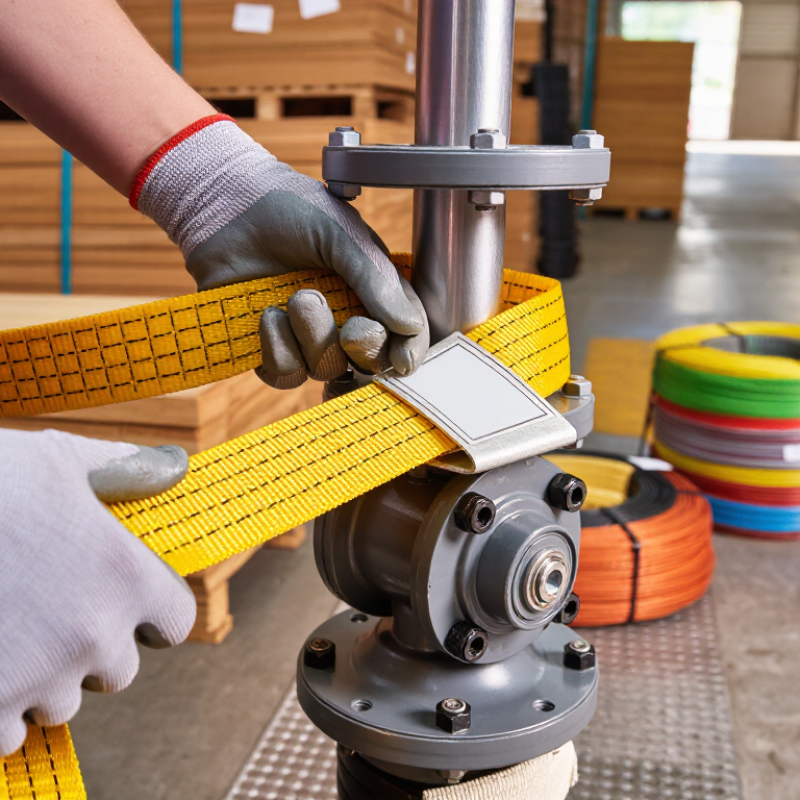
Shape matters, too. A steel plate has hard edges that can cut or abrade polyester webbing, so use suitable edge protection and keep the sling clear of sharp corners. For a rounded pipe, check that the sling cannot slide toward either end. Awkward loads can shift. Their balance point may not be where it looks, especially when the load contains hidden parts.

Match the lifting method to the load and available attachment points. A vertical lift, basket hitch, and choker hitch each handle the load differently. Keep sling legs at an appropriate angle; as the angle narrows, tension in each leg rises. Inspect the webbing, stitching, and identification label before use, and remove damaged or unreadable slings from service. I have seen careful calculations undone by a sling placed over one overlooked burr. Check the path, too. A clear lift is safer than a hurried one.

How to Choose the Right Polyester Sling for Lifting

Reference working load limits for a 2-inch polyester web sling, based on a vertical rated capacity of 2,900 kg.

Sling capacity depends on the load weight, load shape, and lifting method. A basket hitch can provide approximately twice the vertical capacity when the load is balanced, while a choker hitch is commonly rated at about 80% of the vertical capacity. For angled basket lifts, capacity decreases as the sling angle becomes lower. Protect polyester slings from sharp edges, heat, abrasion, and uneven loads, and always follow the sling identification tag and applicable lifting standards.

Select the Sling Configuration and Required Capacity

Choosing the right polyester sling begins with the load, not the sling color. Confirm the load weight, center of gravity, lifting points, and available headroom. A practical site check often reveals problems that drawings miss.

Select the configuration that keeps the load balanced. A single-leg sling suits a direct vertical lift with a secure lifting point. A basket hitch can increase capacity when both legs support the load evenly. A choker hitch grips cylindrical loads, but its rated capacity is usually lower. Never assume two legs provide double capacity. Sling angles change the forces sharply. As the angle becomes flatter, tension in each leg increases. Keep the angle within the manufacturer’s rated range.

Check the working load limit on the sling tag and match it to the actual hitch and angle. Include the load’s weight, possible impact, and uneven loading. Protect polyester webbing from sharp edges, hot surfaces, rough corners, and chemicals. Use suitable edge protection. It must stay in place during the lift.

I have seen careful teams misjudge a load because the center of gravity shifted after it left the floor. Lift only a few centimeters first. Stop and reassess. A visual inspection alone is not enough. Look for cuts, melted fibers, pulled stitching, damaged tags, and permanent distortion. If the capacity is unclear, remove the sling from service and ask a qualified lifting professional. Better to pause than guess.

Check Environmental Conditions and Compatibility

How to Choose the Right Polyester Sling for Lifting?
Check Environmental Conditions and Compatibility

A polyester sling that works well in a dry warehouse may be unsuitable near hot pipes, chemical washdown, or sharp steel edges. EN 1492-1 specifies a typical polyester sling operating range of -40°C to +100°C, subject to the manufacturer’s instructions and lifting configuration. Check the sling’s label and current inspection records; ambient air temperature alone may not reflect heat from a load. Polyester generally resists many acids but is vulnerable to alkalis, so confirm the exact chemical, concentration, and contact time with the sling supplier. Compatibility charts are useful, but they cannot predict every mixed or changing exposure.

Tips: Before lifting, look for chemical staining, stiff or glazed fibres, cuts, and damaged stitching. Keep the sling clear of sharp edges with suitable corner protection. OSHA’s sling guidance calls for inspection before use each shift and removal of damaged slings from service. A quick glance is not enough. For repeated exposure, record the chemical and temperature, then review the sling selection with a competent person. This extra check can feel cautious, but replacing a questionable sling is simpler than guessing about hidden fibre damage.

How to Choose the Right Polyester Sling for Lifting? — Check Environmental Conditions and Compatibility

Condition or Compatibility Factor What to Know About Polyester Slings Selection and Inspection Checks
Ambient temperature Polyester slings have temperature limits that vary by product and applicable requirements. High heat can reduce strength or damage the webbing; very low temperatures may affect handling and flexibility. Check the sling’s tag and manufacturer’s instructions for its permitted temperature range. Do not use a sling exposed to temperatures outside that range.
Acids and alkalis Polyester generally has better resistance to many acids than to alkalis, but chemical concentration, temperature, exposure time, and the specific chemical can change the effect. Strong alkalis can damage polyester fibers. Identify the chemical and exposure conditions before use. Obtain compatibility guidance for the specific sling; remove the sling from service if chemical damage is suspected.
Oils, solvents, and other chemicals Compatibility varies by substance. Some chemicals may weaken fibers, damage stitching or fittings, or leave contamination that is difficult to assess by sight. Do not assume a sling is compatible based only on appearance. Consult the manufacturer or a qualified person, and keep chemically exposed slings out of service until assessed.
Moisture and wet conditions Polyester absorbs relatively little water and generally retains its strength when wet. However, water, ice, or contaminants can affect handling, grip, and inspection. Check the sling and contact surfaces before each lift. Keep the load and sling secure, and do not use a sling with hidden or suspected damage.
Sunlight and ultraviolet exposure Repeated or prolonged UV exposure can degrade synthetic webbing over time. The rate depends on exposure and product construction. Follow the product’s storage and inspection guidance. Store slings away from unnecessary sunlight and inspect regularly for fading, brittleness, or other deterioration.
Abrasion, sharp edges, and rough surfaces Webbing can be cut, abraded, or damaged by sharp edges and rough contact points, even when the sling’s rated capacity is otherwise adequate. Use suitable edge protection and protect the sling from pinch points. Do not use a sling with cuts, holes, severe abrasion, or damaged stitching.
Load shape and contact width A narrow, uneven, or irregular load can concentrate pressure on the webbing and cause damage or instability. Choose a sling arrangement that supports the load securely and distributes contact appropriately. Check that the load cannot slip, roll, or damage the sling during lifting.
Hitch type and sling angle Rated capacity depends on the hitch configuration and, for multi-leg arrangements, the sling angle. A reduced angle can increase leg tension. Use the rated capacity shown for the actual hitch and angle. Do not exceed the sling’s working load limit; use a qualified lifting plan where required.
Fittings and connection points Hooks, shackles, and other fittings must be compatible with the sling and load. Incorrect fit or side loading can damage components or create an unsafe connection. Check that fittings are rated, correctly sized, and properly seated. Follow the fitting and sling manufacturers’ instructions for connection and use.
Inspection status and identification A sling with an unreadable identification tag cannot be reliably checked for its capacity and intended use. Damage or unauthorized repairs can compromise safe lifting. Verify that the tag is legible and inspect before use. Remove damaged slings from service; do not repair or modify them unless permitted by the manufacturer and applicable requirements.

Important: Always follow the sling’s identification tag, manufacturer’s instructions, applicable regulations, and site lifting procedures. This table is general guidance, not a substitute for a product-specific compatibility assessment or lift plan.

Verify Safety Standards and Inspect the Sling Before Use

How to Choose the Right Polyester Sling for Lifting?

Before choosing a polyester sling, confirm that its rated capacity suits the load and lifting arrangement. Check the identification label for the working load limit, sling type, length, and applicable safety standard. The label should be readable and securely attached. If it is missing or unclear, do not guess. Set the sling aside and ask a qualified person to assess it. Capacity can change with the hitch angle, so check the manufacturer’s guidance for the planned lift.

Inspect the sling before every use, even if it was used safely yesterday. Run your eyes and hands along its full length. Look for cuts, torn stitching, worn edges, melted or glazed fibers, chemical stains, and damaged fittings. Pay close attention near the eyes and contact points, where abrasion can hide beneath a fold. A small defect may seem harmless. That is an easy judgment to regret. Remove questionable slings from service and follow your site’s inspection and disposal procedures. Never repair a sling with tape or improvised stitching.

Tips: Keep the sling clean and dry when practical. Use protective sleeves where sharp edges may cause abrasion, and keep the sling clear of hot surfaces. Store it away from sunlight, chemicals, and heavy objects. Record inspections when your workplace procedure requires it. If you cannot verify the sling’s condition or rating, pause the lift and get help.