What Is a Synthetic Sling and Why Is It Popular for Purchase?
The synthetic sling industry has gained significant traction due to its versatile applications and durability. According to Dr. Emily Thompson, a noted expert in synthetic materials, "Synthetic slings offer unmatched strength while remaining lightweight." This statement encapsulates why many industries are increasingly adopting synthetic slings for lifting and rigging purposes.
Synthetic slings are made from high-tech fibers that provide excellent abrasion resistance. They are often preferred over traditional steel options because they reduce the risk of damage to delicate surfaces. This versatility makes them popular in construction, shipping, and manufacturing. However, the market is not without challenges. Consumers frequently question the long-term durability of these products compared to their steel counterparts.
Despite their advantages, the landscape of synthetic slings is evolving. Concerns about environmental impact and wear over time prompt reflections on sustainability in the industry. As manufacturers innovate, it remains essential for users to stay informed about best practices and maintenance routines. The growing popularity of synthetic slings suggests they will continue to play a pivotal role in modern lifting solutions.

What Is a Synthetic Sling and Its Main Features?
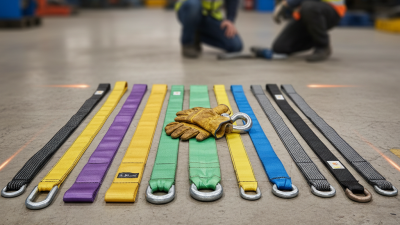
Synthetic slings have gained popularity in various industries due to their practical features. These slings are often made from durable materials like nylon or polyester. This construction offers significant strength while remaining lightweight. As a result, they are ideal for lifting and hauling heavy loads. Many users appreciate the resistance to abrasion and UV damage, which enhances their longevity.
One of the standout features of synthetic slings is their flexibility. They are less likely to damage the load during lifting, unlike some metal alternatives. Users find that this versatility allows for various applications, from construction to towing. However, it's essential to be aware that proper maintenance is crucial. Neglecting to inspect and care for the slings may lead to unexpected failures.
Additionally, while synthetic slings are strong, they have limits. They can be affected by extreme temperatures and chemical exposure. Users should consider the environmental factors before choosing a sling. Understanding these details ensures safer usage. Balancing between strength and care may require thoughtful reflection, but the benefits often outweigh the drawbacks.
The Evolution and Design of Synthetic Slings in Industry
Synthetic slings have transformed lifting and rigging operations. Their design evolution has made them more reliable and versatile in various industries. Originally, natural fibers were used for slings, but they were prone to wear and tear. Synthetic materials like nylon and polyester emerged to provide greater strength and durability.
The manufacturing process of synthetic slings has become more refined. Modern techniques improve load capacity and decrease weight. These slings can withstand harsh conditions, making them ideal for construction, shipping, and industrial applications. However, there are still challenges. Overloading or excessive exposure to sunlight can weaken the sling over time. Users must regularly inspect slings to ensure safety.
The growing popularity of synthetic slings stems from their adaptability. They can be customized for specific tasks, enhancing their usefulness. However, improper use can lead to accidents. Understanding the limitations and maintaining these tools is essential for safe usage. This combination of innovation and caution continues to shape the future of synthetic sling design.
Comparing Synthetic Slings to Traditional Slings: Benefits and Drawbacks
Synthetic slings have gained popularity due to their lightweight and versatile nature. They are often made from durable materials that resist wear and tear. This makes them suitable for various lifting tasks. Synthetic slings are easier to handle than traditional slings. They tend to be more flexible, allowing for better load distribution. This flexibility can be a game-changer in tight working spaces.
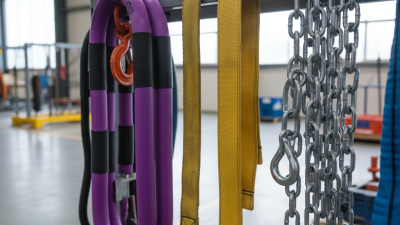
Traditional slings, made of metal or chain, have their strong points too. They boast high strength and longevity. However, they can be heavier and less user-friendly. Metal slings can scratch surfaces and require careful inspection for wear. Safety concerns often arise due to their rigidity. While synthetic options may lack a bit of the ultimate strength of steel, they offer a lighter, safer choice for many applications.
The choice between synthetic and traditional slings should depend on specific needs. Consider the environment and type of load. Each type carries its benefits and drawbacks. The right sling enhances efficiency but could also lead to mistakes if not chosen wisely. Users must reflect on their requirements and practices. Making informed decisions ensures both safety and effectiveness in lifting operations.
Comparison of Synthetic Slings and Traditional Slings
Popular Applications and Industries Using Synthetic Slings
Synthetic slings have gained traction in various industries due to their versatility and strength. They are notably popular in construction, shipping, and logistics. According to a recent industry report, the global synthetic sling market is projected to grow at a CAGR of 5.7% from 2021 to 2028. This statistic underlines the increasing reliance on synthetic materials as opposed to traditional options.
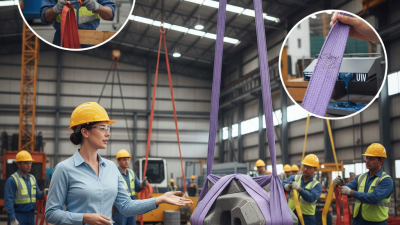
In construction, synthetic slings are favored for lifting heavy loads. They are lightweight, which simplifies handling and reduces fatigue among workers. For example, synthetic slings can safely lift loads exceeding 20 tons. Furthermore, their resistance to abrasion and chemicals makes them ideal for rough environments. In shipping, synthetic slings are essential for securing cargo. Their adaptability allows for safe transportation over various distances.
Certain challenges exist with synthetic slings. While they are strong, they can be susceptible to UV damage. Prolonged exposure may weaken the material. Additionally, regular inspections and maintenance are critical to ensure safety. Companies using these slings need to train their personnel effectively. Proper education about potential hazards can mitigate risks associated with sling failure.
What Is a Synthetic Sling and Why Is It Popular for Purchase?
| Application |
Industry |
Material |
Load Capacity (tons) |
Key Features |
| Lifting Heavy Machinery |
Construction |
Polyester |
10 |
Lightweight, Durable |
| Cargo Securing |
Logistics |
Nylon |
5 |
High Strength, UV Resistant |
| Maritime Operations |
Shipping |
Polypropylene |
15 |
Water Resistant, Lightweight |
| Automotive Recovery |
Automotive |
Polyester |
8 |
Strong, Abrasion Resistant |
| Tree Care |
Forestry |
Nylon |
3 |
Flexible, Heavy Duty |
Safety Considerations and Maintenance Tips for Synthetic Slings
When using synthetic slings, safety is paramount. Regular inspections are crucial to ensure that the slings are free from cuts, abrasions, or signs of wear. Even minor damage can compromise their integrity. It’s advisable to follow specific guidelines for safety. For instance, always adhere to the manufacturer's weight limits and application techniques.
Maintenance involves proper storage. Keep slings away from direct sunlight and extreme temperatures. They should be stored in a dry, clean area to prevent degradation. Cleaning them after use can help prolong their lifespan. Mild soap and water are generally effective. However, avoid harsh chemicals that may damage the material.
It's important to remember that synthetic slings are not foolproof. User error is a common issue. Slack, improper rigging, or overloading can lead to accidents. Engaging with training programs or consulting professionals can enhance one’s understanding. A reflective approach to safety and maintenance can foster a culture of responsibility and awareness in any workspace.