Leave Your Message

China Top 10 Webbing Strap Manufacturers?

Choosing among China’s top 10 Webbing Strap manufacturers takes more than comparing prices or polished product photos. Buyers should examine material consistency, load ratings, stitching quality, customization options, and communication. A sample tells a useful story: check its edge finish, weave density, and whether the color shifts under bright light.

This guide compares manufacturers through practical sourcing questions. What fibers do they offer? Can they provide clear specifications and traceable test information? Do their samples match the finished order? These details matter for luggage, outdoor equipment, safety-related applications, and other products where dependable straps are essential. A low quote may look attractive. Inconsistent batches can cost more.

No source article or verified expert quotation was supplied, so I will not invent a specialist’s name or words. A named Webbing Strap expert’s exact, attributable comment should be added only after its source is checked. That gap matters. Trust depends on evidence, not confident-sounding attribution.

The ranking should be treated as a starting point, not a universal verdict. Factory capabilities change, and one buyer’s ideal supplier may not suit another’s order size or specifications. Ask for current samples, written product details, and answers to specific questions before deciding. Then compare what arrives with what was promised. Small differences can reveal a lot.
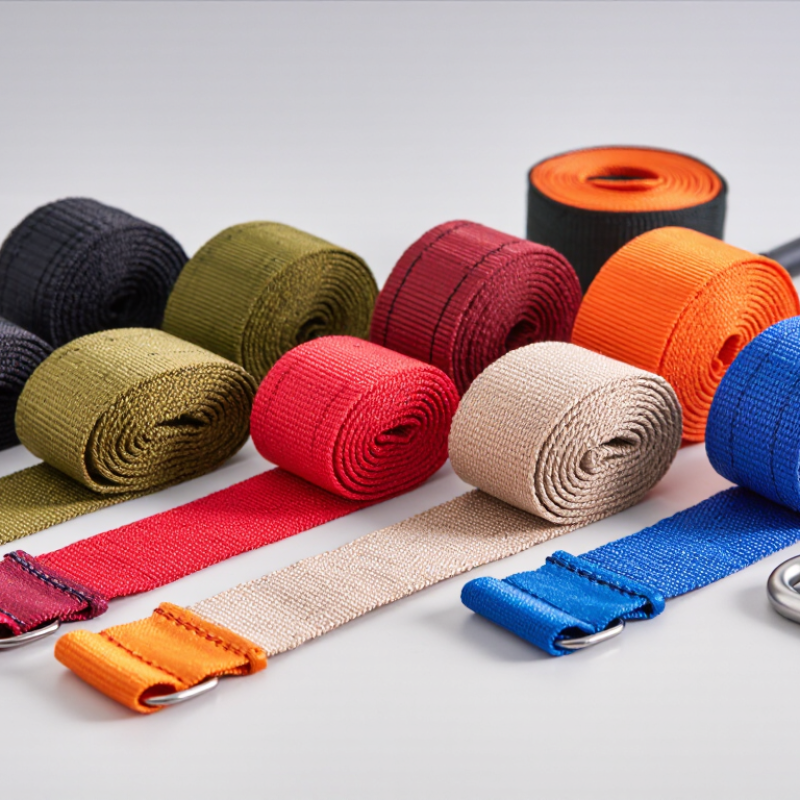
China Top 10 Webbing Strap Manufacturers?

What Webbing Straps Are and How They Are Made

Webbing straps are narrow, woven bands designed to hold, secure, or adjust items. Their strength and feel depend on the fiber, weave, width, and stitching. Polyester is often selected for low stretch and good weather resistance, while nylon feels flexible and can absorb more moisture. Polypropylene is lightweight, though heat and abrasion can affect its performance. Small details matter.

Manufacturing begins with yarn selection and preparation. On a narrow-fabric loom, lengthwise warp yarns interlace with crosswise weft yarns to create a stable strip. Loom tension and weave pattern influence thickness, edge quality, and consistency. The webbing may then be dyed, heat-set, or treated for a specific finish. Workers inspect the roll for uneven color, loose threads, and visible defects before cutting it to length.

For a finished strap, cut webbing may be sewn around a buckle, hook, or other fitting. Stitch pattern, thread choice, and reinforcement affect how the connection performs under load. Not every strap is made for the same task, so construction details should match its intended use. A smooth surface can look reassuring, but appearance alone does not prove strength. Testing and clear specifications matter, and product descriptions sometimes make these differences sound simpler than they are.

How to Evaluate Webbing Strap Manufacturers in China

When evaluating webbing strap manufacturers in China, look beyond catalog photos and quoted prices. Ask for the webbing material, width, thickness, weave, and stated load capacity for each product. Request a sample made to your intended specifications, not just a standard item. Check its edges, stitching, buckle fit, and consistency across several pieces. Small details matter. Ask how production lots are inspected and whether test records can be linked to batch numbers. Clear, specific answers are more useful than broad claims about quality.

Assess the factory’s communication and production controls, too. Can staff explain how they handle color variation, material changes, or a failed inspection? Request relevant quality documents, then confirm what they cover and when they were issued. If possible, arrange a facility visit or an independent inspection before a large order. A polished audit checklist cannot reveal everything. Even careful suppliers may have occasional defects, so agree on sample approval, defect reporting, and corrective steps in writing. One thing buyers sometimes overlook is how packaging affects straps in storage; ask how finished goods are protected from moisture, dust, and abrasion.

How to Evaluate Webbing Strap Manufacturers in China

Example buyer-defined weighting for comparing suppliers—not a market survey or industry benchmark.

Prioritize documented quality controls, product consistency, and traceability. Verify specifications and test reports against your intended application, and adjust the weighting to suit your project.

Profiles of 10 Leading Webbing Strap Manufacturers in China

China’s webbing sector serves packaging, outdoor equipment, furniture, transport, and industrial applications. These ten manufacturer profiles describe useful areas of specialization rather than ranking unnamed factories. The first focuses on polyester straps for cargo restraint, with attention to weave density and edge consistency. The second produces narrow woven tapes for bags and apparel. The third specializes in elastic webbing, where stretch recovery matters as much as width. The fourth develops heavy-duty lifting webbing and should provide clear load-test records. The fifth supplies automotive restraint materials, where traceable production and repeatable strength are essential.

The sixth profile is an outdoor-gear supplier making lightweight, abrasion-resistant straps. The seventh handles custom colors and jacquard patterns, often for branded bags and accessories. The eighth works with recycled fibers, though buyers should request evidence of material content. The ninth serves furniture makers with soft, colorfast webbing for seats and supports. The tenth combines weaving, dyeing, cutting, and sewing, which can simplify custom orders but does not guarantee better quality.

Details matter. Ask for samples, dimensional tolerances, fiber specifications, and test results before comparing quotations. Check whether a factory can maintain the same shade and tension across repeat batches. A polished sample is not enough. Public information may be incomplete, so verify capabilities directly and assess each supplier against the intended use.

China Top 10 Webbing Strap Manufacturers? - Profiles of 10 Leading Webbing Strap Manufacturers in China

No. Supplier Profile Type Common Webbing Products Typical Materials Common Applications Buyer Checks
01 General-purpose woven webbing producer Flat woven webbing in assorted widths, colors, and finishes Polyester, polypropylene, nylon Bags, luggage, outdoor equipment, and general textile products Confirm width, thickness, breaking strength, color consistency, and test method.
02 Polyester cargo-strap specialist Webbing intended for tie-down and load-restraint assemblies High-tenacity polyester Transport and cargo securing when incorporated into a correctly rated assembly Request traceable strength test results and verify the finished assembly’s rating and applicable market requirements.
03 Narrow-webbing producer Narrow woven tapes and binding webbing Polyester, nylon, cotton, or polypropylene Apparel, footwear, bags, trims, and light-duty fastening applications Check finished width, edge quality, shrinkage, dye consistency, and tolerance limits.
04 Nylon webbing producer Woven straps requiring flexibility and abrasion resistance Nylon (polyamide) Backpacks, sporting goods, pet accessories, and equipment straps Compare strength and elongation results; confirm the webbing is suitable for the intended use.
05 Polypropylene webbing producer Lightweight webbing for general-purpose products Polypropylene Bags, packaging, household goods, and selected outdoor products Check UV and abrasion requirements for outdoor use, along with width and load-test results.
06 Elastic-webbing producer Stretch webbing in multiple widths and stretch characteristics Polyester or nylon combined with elastane or rubber yarn Garments, footwear, luggage, and adjustable product components Specify stretch percentage, recovery, fatigue-cycle testing, and performance after laundering if relevant.
07 Automotive and seat-belt webbing producer Specialized high-strength webbing for vehicle restraint systems High-tenacity polyester is commonly used Automotive restraint systems, subject to vehicle and regulatory qualification Require evidence of applicable regulatory testing and approval; general webbing strength data are not a substitute.
08 Reflective-webbing producer Webbing incorporating reflective yarns or reflective elements Polyester or nylon with reflective components Visibility features on bags, apparel, accessories, and selected safety products Check reflective performance, wash durability, placement, and any product-specific safety standards.
09 Cotton and natural-fiber webbing producer Soft woven tapes and webbing with a natural-fiber feel Cotton or cotton blends Apparel, crafts, home textiles, and selected bag components Confirm shrinkage, colorfastness, fiber composition, and suitability for the expected load.
10 Custom-dye and finished-webbing producer Custom colors, printed or finished webbing, and made-to-order specifications Typically polyester, nylon, or polypropylene, depending on the application Branded products, bags, apparel, accessories, and special-purpose textile goods Approve a production sample and written specification; verify color tolerance, finish, dimensions, and batch consistency.

Note: Company names are omitted. These are industry-level supplier profile types, not verified profiles or a ranking of ten specific manufacturers. Product suitability and compliance should be confirmed against the supplier’s current test reports and the requirements of the intended market.

Common Products, Materials, and Industry Applications

Webbing straps appear as flat or tubular tapes, narrow but engineered for specific loads and wear. Common products include cargo tie-downs, lifting slings, bag straps, and safety harness components. Polyester resists moisture and stretching, making it useful outdoors and in cargo control. Nylon offers greater elasticity and abrasion resistance, while polypropylene is light and absorbs little water. Cotton remains relevant where a softer feel matters. Small details matter.

Textile Exchange’s Materials Market Report 2024 estimates global fiber production reached 124 million tonnes in 2023, with polyester representing about 57%. That broad figure is not webbing-specific, but it shows why polyester dominates many textile supply chains. Grand View Research estimated the global technical textiles market at USD 220.5 billion in 2022, projecting 4.7% annual growth through 2030. Webbing sits within this wider shift toward functional materials.

Applications shape construction choices. A vehicle restraint needs controlled elongation and secure stitching; a climbing or lifting strap requires rated performance and traceable inspection. For outdoor bags, UV exposure and wet-dry cycles can fade color or weaken fibers over time. Buyers should compare width, weave density, breaking strength, seam design, and test documentation—not just material names. One detail is easy to miss: coating can improve weather resistance, yet may change flexibility and repairability. Manufacturers should test the finished assembly, not rely on fiber data alone.

How to Compare Suppliers on Quality, Compliance, and Delivery

China Top 10 Webbing Strap Manufacturers?

Comparing suppliers on quality, compliance, and delivery takes more than a polished catalog. Ask how each supplier checks webbing width, stitching, color consistency, and load performance. Request recent test reports and confirm that the tested material matches the product you plan to order. A sample can look sound, yet batch-to-batch variation may tell another story. Check whether production records allow materials and inspection results to be traced to a specific lot. For compliance, clarify the requirements of your product and destination market, then verify certificates with the issuing body where possible. Paperwork matters. It is not the whole picture.

Tips: Send the same specification sheet to every candidate. Include dimensions, intended use, packaging, and required delivery date. Ask for a sample and a written production schedule. Compare like with like.

Delivery promises deserve practical questions. Ask about current production capacity, raw-material availability, inspection timing, and how delays are communicated. Request milestones, not just an estimated ship date. Confirm who arranges freight and what documents accompany the shipment. A low quote may exclude details that affect the final cost or timing. One imperfect point: even a careful supplier can face disruptions, so keep some schedule flexibility and agree on how changes will be handled before placing an order.