Why Is a Lifting Sling Used for Heavy Loads?
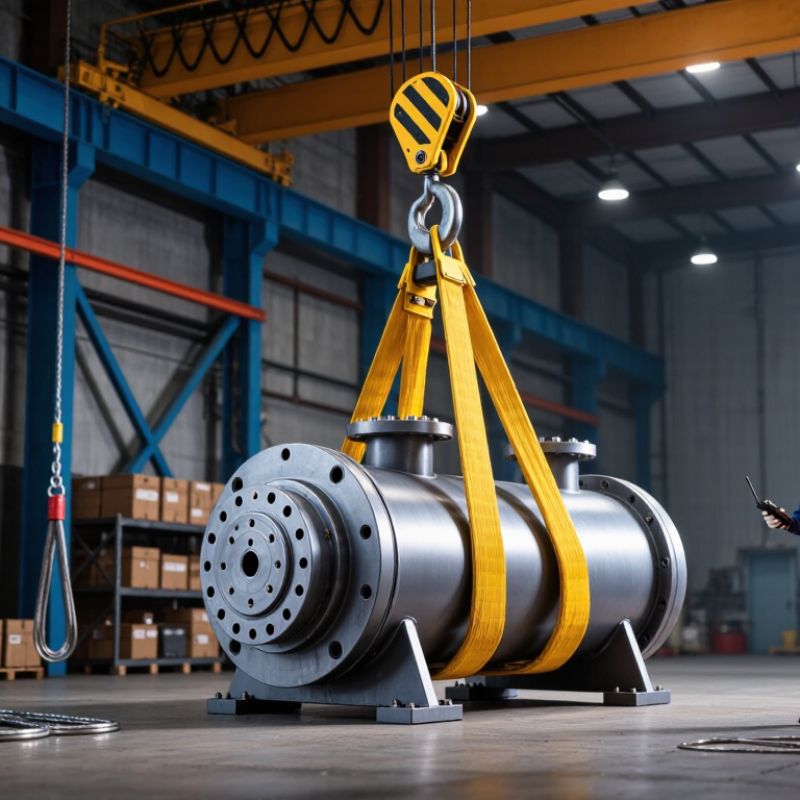
When a heavy load must move, a Lifting Sling creates a secure connection between the load and lifting equipment, such as a crane or hoist. It can also help spread force across suitable contact points, reducing pressure on one small area. Picture a steel pump being raised from a workshop floor: the sling passes beneath its frame, while the operator checks that the load stays balanced. The right arrangement depends on the object, its weight, its shape, and the lifting plan. There is no single sling that suits every job.
That distinction matters. Webbing, wire rope, and chain slings each have different strengths, limits, and care requirements. A sling’s rated capacity can also change with its configuration and lifting angle, so the label alone does not tell the whole story. Check the identification tag, inspect for damage, and confirm that the sling is suitable for the load and equipment. Watch for sharp edges, twists, and uneven tension. Small details count.
Even experienced crews can misjudge a load’s center of gravity, especially when its contents shift. Pause if the load tilts, the sling slips, or the setup feels uncertain. A brief check is better than a hurried lift. This introduction explains why lifting slings are used and what careful selection involves. It cannot replace hands-on training or the manufacturer’s instructions; real lifting conditions can be less tidy than diagrams suggest.
What Is a Lifting Sling?
Why Is a Lifting Sling Used for Heavy Loads?
What Is a Lifting Sling?
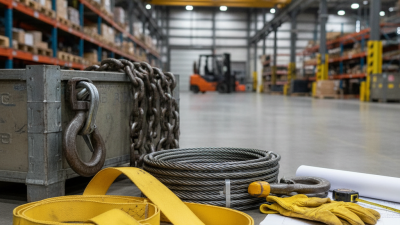
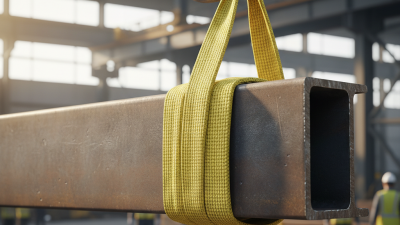
A lifting sling is a flexible device that connects a load to a crane, hoist, or other lifting equipment. It may be made from wire rope, chain, or synthetic webbing. The sling supports the load while allowing it to be positioned and moved. Unlike a rigid hook alone, it can wrap around or attach to different shapes, such as a steel beam or a packed crate.
Choosing the right sling depends on the load’s weight, shape, lifting points, and surroundings. A web sling can cushion a finished surface, while a chain sling may suit rougher handling. But no sling works for every job. The lifting angle, uneven weight distribution, or a sharp edge can increase strain or damage the sling. Check its identification tag and condition before use, and follow the equipment maker’s instructions. A small tear or bent link can matter.
Tips: Confirm the load weight and sling capacity. Protect slings from sharp edges, keep people clear of suspended loads, and stop if the load shifts. Inspecting carefully helps, though it cannot replace sound rigging judgment.
How Does a Lifting Sling Support Heavy Loads?
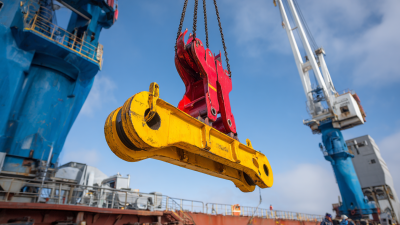
A lifting sling supports a heavy load by connecting it securely to a crane hook and spreading force across one or more legs. Its rated capacity depends on sling material, hitch type, and sling angle, as specified in OSHA’s sling requirements, 29 CFR 1910.184.
The angle matters.
For a balanced, two-leg lift, each leg carries about 58% of the load when the legs sit 60 degrees above horizontal.
At 30 degrees, each leg carries the full load.
This follows the standard sling-tension calculation used in rigging practice and shows why a shallow sling angle can overload equipment unexpectedly.
The sling also helps control the load’s position, reducing unwanted tilting when attachment points are placed correctly. ASME B30.9 covers sling selection, use, inspection, and maintenance; its practical message is simple: choose capacity for the actual hitch and conditions, not just the load’s weight.
Before a lift, check the sling identification tag, inspect for cuts, broken wires, damaged stitching, or chemical wear, and confirm that hooks and attachment points are seated properly.
A small defect can matter. It is easy to trust a sling that looks sound, but visual checks have limits; remove questionable gear from service and have it assessed by a qualified person.
What Advantages Make Slings Useful for Heavy Lifting?
A lifting sling connects a heavy load to a hoist or crane while helping distribute force across suitable lifting points. That matters when a steel component, machine, or bundled pipe must be raised without shifting unexpectedly. The right sling can make attachment quicker and give riggers more control over the load’s position.
Short setup. Fewer awkward adjustments.
Different sling materials suit different jobs. Synthetic webbing is light and can help reduce surface damage on finished items, while chain slings tolerate rougher contact and higher temperatures within their rated limits. Wire-rope slings offer strength and durability for demanding handling. A sling can also be configured as a vertical, basket, or choker hitch, depending on the load and lift plan. Each arrangement changes how forces act on the sling.
Flexibility is useful, but it can create a false sense of security. Sling capacity depends on its condition, hitch, angle, and how the load’s weight is shared. A shallow sling angle can increase tension significantly. Check the load’s weight and center of gravity, and inspect the sling for cuts, broken wires, damaged fittings, or other defects before use. I would not treat a quick visual glance as a complete inspection. Follow the sling maker’s instructions and remove questionable equipment from service.
Which Types of Lifting Slings Are Used?
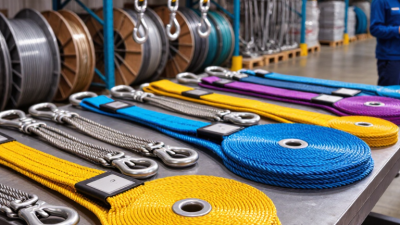
Lifting slings connect a load to lifting equipment, but the right type depends on the load’s shape, weight, surface, and surroundings. Synthetic webbing slings are flat, light, and flexible. They work well with finished surfaces, such as painted machinery, because they are less likely to scratch them. Round slings use a soft, enclosed core and can wrap around irregular loads. They need protection from sharp edges, though; a fabric cover is not a substitute for proper edge protection.
Wire-rope slings are durable and resist abrasion, making them useful for rough or demanding jobs. They are heavier and can kink or develop broken wires, so regular inspection matters. Chain slings tolerate heat and offer adjustable configurations for some loads. Their weight and possible damage to delicate surfaces can make them a poor fit elsewhere. No type is best for every lift.
Selection also depends on how the sling will be attached, such as with a vertical, basket, or choker hitch. The hitch changes how the load is supported, and sling angles can increase tension on each leg. Check the sling’s identification and rated capacity against the load and lifting plan. Look for cuts, corrosion, broken wires, stretched links, or damaged stitching. Small signs matter. In practice, crews may focus on capacity and overlook the load’s sharp corners; that is an easy mistake to reconsider before lifting.
Why Is a Lifting Sling Used for Heavy Loads? – Which Types of Lifting Slings Are Used?
Lifting slings connect a load to a crane, hoist, or other lifting device. They help support and control loads during lifting and positioning. The right sling depends on the load’s weight, shape, surface, lifting points, environment, and required hitch.
| Sling Type |
Typical Construction |
Common Uses |
Key Advantages |
Important Considerations |
| Chain sling |
Alloy-steel chain legs fitted with compatible hooks or connecting components. |
Heavy industrial loads, foundries, construction, and applications involving heat or rough handling. |
Durable; can be configured with one or more legs; individual components may be inspected and, where permitted, replaced. |
Can be heavy and may damage delicate surfaces. Inspect for wear, stretch, cracks, heat damage, and damaged fittings. |
| Wire-rope sling |
Steel wire rope formed into a sling, often with eyes, fittings, or end connections. |
Construction, shipping, steel handling, and other demanding lifting operations. |
Strong and resistant to abrasion; available in a range of configurations and sizes. |
Can kink, crush, or develop broken wires. Wear gloves when handling and remove from service when inspection criteria are not met. |
| Synthetic web sling |
Flat woven webbing, commonly made from polyester or nylon, with flat or twisted eyes or fittings. |
Loads with finished, painted, or otherwise damage-sensitive surfaces; general-purpose material handling. |
Lightweight and flexible; broad contact area can help distribute pressure on the load. |
Protect from sharp edges, excessive heat, chemicals, and harmful ultraviolet exposure. Check the identification tag and inspect for cuts, damaged stitching, or abrasion. |
| Round sling |
Continuous load-bearing yarns enclosed in a protective textile cover. |
Irregular or delicate loads and lifting arrangements that benefit from a flexible sling. |
Flexible and lightweight; the soft cover can help reduce surface damage when used correctly. |
The cover protects the core but does not make the sling puncture-proof. Remove it from service if the core is exposed or damage is suspected. |
| Metal-mesh sling |
Interconnected metal mesh, commonly fitted with end attachments. |
Handling hot, abrasive, or sharp-edged materials when the sling is suitable for the specific load and conditions. |
Resists abrasion and can provide a broad load-contact area. |
Check for broken wires, damaged mesh, distorted fittings, and chemical or heat damage. Confirm suitability for the load’s edges and operating environment. |
Safe-use reminder: Never choose a sling by material or appearance alone. Check its identification tag and rated working load limit, and account for the hitch, sling angle, load balance, edge protection, and condition of the equipment. Follow applicable regulations and the sling manufacturer’s instructions; do not use damaged or unidentified slings.
How Should a Sling Be Selected and Inspected?
Select a sling only after confirming the load’s weight, centre of gravity, lifting points, and travel path. Check the sling’s identification tag and working load limit (WLL); never rely on appearance alone. The U.S. Bureau of Labor Statistics recorded 5,283 fatal work injuries in 2023. That figure is not sling-specific, but it underscores why lift planning and equipment checks matter.
Match the sling material and hitch to the load and conditions. Web slings can protect finished surfaces, while chain slings tolerate rougher handling but need checks for wear and deformation.
For a two-leg lift, sling angle changes leg tension: at 30 degrees from horizontal, each leg carries about the full load weight.
Use the manufacturer’s capacity tables, and account for edge contact, temperature, and chemical exposure. Details matter.
Inspect the sling before each use, as OSHA’s 29 CFR 1910.184 requires. Look closely at stitching, cuts, burns, tags, links, and fittings. Remove damaged or unidentifiable slings from service; do not guess at their capacity. ASME B30.9 also provides guidance on sling selection, use, and inspection. Records help, though a checklist cannot replace a careful look at the sling itself.