2026 Top Lifting Sling Types for Global Buyers What to Know
In the world of material handling, understanding the types of Lifting Slings is essential for safety and efficiency. According to industry expert John Smith, "Choosing the right Lifting Sling can make all the difference in a safe lifting operation." With advancing technology and diverse materials, global buyers have more options than ever.
Different Lifting Sling types offer unique advantages and challenges. For instance, synthetic slings are lightweight but may not withstand extreme temperatures. Steel slings provide strength but can be heavy and less flexible. It’s crucial for buyers to weigh these factors carefully.
As companies strive for productivity, they must prioritize safety. The right Lifting Sling ensures that lifting operations are compliant with industry standards. However, not all buyers are fully aware of the potential risks involved. This underlines the need for ongoing education in the Lifting Sling sector. Making informed choices is key to safeguarding lives and optimizing operations.
2026 Lifting Sling Market Overview: Trends and Predictions
As the lifting sling market evolves, several trends are emerging. According to a recent industry report, the global lifting sling market is projected to reach $1.5 billion by 2026. This reflects a compound annual growth rate (CAGR) of approximately 6% from 2021. Industry experts attribute this growth to increased construction activities and advancements in materials.
Innovation in sling materials is noteworthy. High-performance synthetic slings are gaining popularity due to their durability and reduced weight. Fiberglass and polyester are leading materials because of their high tensile strength. Organizations are increasingly focused on safety. According to the Occupational Safety and Health Administration (OSHA), improper sling usage contributes to many workplace accidents.
One area requiring reflection is training. Many users lack comprehensive sling handling knowledge. Insufficient training can lead to accidents or equipment damage. Continuous education on sling specifications and load capacities is essential. The industry must address these gaps for enhanced safety and performance. As the market grows, focusing on these aspects will be vital for sustainable development in the lifting sling sector.
Key Types of Lifting Slings: A Comprehensive Breakdown
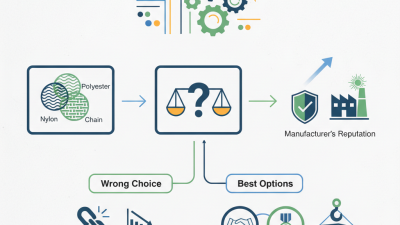
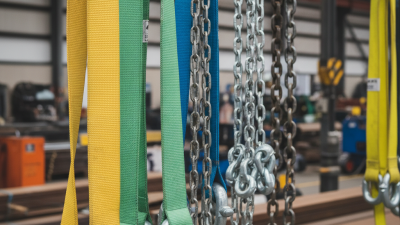
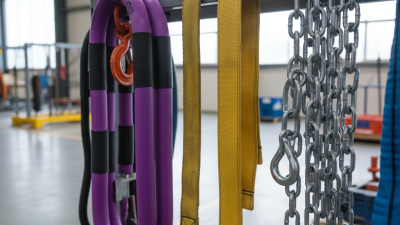
When it comes to lifting slings, understanding the various types is crucial for safety and efficiency. Key types include nylon, polyester, chain, and wire rope slings. Each has its strengths and weaknesses. Nylon slings are flexible and lightweight, but they may be more susceptible to UV damage. Polyester slings offer better resistance to abrasion and are ideal for outdoor operations.
Tips: Always inspect your lifting slings before each use. Look for signs of wear or damage. Replace any sling that shows fraying or discoloration.
Chain slings are strong and durable, perfect for heavy loads. However, they can be heavy and challenging to maneuver. On the other hand, wire rope slings are versatile and can handle extreme conditions. Yet, these slings require careful handling to avoid kinks or twists.
Another important factor is load capacity. Different slings have various ratings based on their materials. It’s vital to match the sling with the job to prevent accidents. Always consult manufacturer guidelines and consider environmental conditions. Regular training and updates on lifting practices ensure safe operations.
Material Comparisons: Strength and Safety Ratings of Lifting Slings
When selecting lifting slings, material choice is critical for ensuring strength and safety. Synthetic slings, like nylon and polyester, are popular due to their flexibility and resistance to abrasion. A recent industry report indicates that nylon slings boast a high tensile strength, typically around 10,000 pounds for a 1-inch width. However, they have lower resistance to UV light, which can weaken them over time.
In contrast, chain slings offer exceptional durability. They can handle extreme temperatures and resist wear and tear. According to a safety analysis, chain slings maintain their integrity even under heavy loads. Yet, they are heavier and can cause damage to delicate loads. This raises essential questions about balancing safety and practicality in lifting operations.
Web slings, another option, provide lightweight handling and versatility. Their capacity can reach up to 12 tons, depending on the width. Although they are easy to clean, they may not be suitable for all environments, especially those with potential chemical exposure. Choosing the right sling involves weighing material strengths against potential hazards. Each type possesses unique advantages and challenges, emphasizing the need for careful evaluation in every lifting application.
Global Market Insights: Key Regions and Demand Analysis for 2026
The global market for lifting slings is expected to evolve significantly by 2026. As industries grow, the demand for efficient lifting solutions increases across various regions. Key markets include North America, Europe, and Asia-Pacific, each presenting distinct requirements and challenges. North America remains a frontrunner, driven by a robust construction sector and advanced technology implementations. In contrast, Asia-Pacific is rapidly expanding, with a surge in manufacturing activities.
Regional demand analysis reveals unique opportunities. Europe is focusing on safety regulations and quality assurance, enhancing demand for high-performance slings. However, the region also faces pressures due to sustainability concerns and the need for eco-friendly materials. Market players must adapt to these trends for better competitiveness.
In developing economies, affordability and accessibility are crucial. Many companies struggle to meet these expectations. They often have to balance cost and quality, which is not easy. As the lifting sling market grows, understanding these regional nuances becomes essential for success. Markets are constantly shifting, requiring stakeholders to stay informed and flexible.
Regulatory Standards: Compliance and Safety in Lifting Sling Usage
When using lifting slings, understanding regulatory standards is crucial for compliance and safety. Compliance ensures that slings meet safety requirements and work effectively. OSHA and ANSI set these guidelines, impacting lifting operations. Adhering to these standards reduces accidents.
Lifting slings must be regularly inspected to maintain safety. Operators should look for signs of wear or damage. Training is vital to ensure proper handling techniques. Awareness of load limits can prevent mishaps. However, misunderstandings often arise here, where operators may push limits without realizing consequences.
It’s important to use slings suited for specific tasks. Not all slings perform equally in various situations. Many professionals overlook the nuances of material selection. This oversight can lead to accidents. Regular, comprehensive training sessions may help bridge knowledge gaps. Ultimately, safety should always be a priority in lifting operations.