Leave Your Message

7 Best Nylon Sling Options for Global Buyers?

Choosing the right Nylon Sling is not simply a matter of comparing prices or colorful product photographs. Global buyers must examine working load limits, sling width, stitching quality, fiber construction, and traceable inspection records. A sling used beneath a steel coil faces different demands from one supporting packaged machinery.

“Select the sling for the load, the lift, and the environment—not for appearance alone,” says Mark H. Lawson, an experienced lifting-equipment safety consultant. His point is practical. A narrow sling may cut into a sharp edge. An unprotected polyester cover may suffer abrasion within minutes. Moisture, ultraviolet exposure, chemicals, and repeated bending can also reduce service life.

This guide reviews seven Nylon Sling options for international purchasing teams, warehouse managers, rigging contractors, and equipment distributors. Each option is considered through realistic buying details, including capacity markings, eye design, protective sleeves, certification documents, and supplier consistency. Local standards may differ, so buyers should verify applicable requirements before placing an order.

Some choices are excellent for frequent warehouse lifting. Others are better suited to temporary jobs or controlled indoor conditions. There is no universal winner. That part is easy to overlook.

A reliable supplier should explain limitations clearly, provide readable labels, and support pre-use inspection training. Still, product descriptions can remain vague, and even experienced buyers may miss small stitching defects. The final decision should combine technical data, hands-on inspection, and the actual lifting environment. This approach makes the comparison more useful, more honest, and safer for buyers across different markets.
7 Best Nylon Sling Options for Global Buyers?

Define Selection Criteria: 5:1 Design Factor, WLL, and ASME B30.9

Choosing among the 7 best nylon sling options for global buyers requires more than comparing price or color. Start with the design factor. A 5:1 ratio means the sling’s minimum breaking strength should be at least five times its rated working load limit. It is a safety margin, not extra lifting capacity. The WLL must match the sling type, width, hitch, and load angle.

Read the capacity label carefully. A straight vertical lift may have a different WLL from a basket or choker hitch. At a warehouse, a 2-ton load can become more demanding when the sling bends around a sharp pallet edge. Use edge protection where contact could cut or crush the nylon. Keep the sling dry, clean, and away from heat, chemicals, and rough surfaces.

ASME B30.9 provides practical guidance for sling selection, inspection, use, and removal from service. Inspect before each shift. Look for cuts, melted fibers, broken stitching, severe abrasion, knots, or damaged identification tags. Do not trust appearance alone. A sling may look acceptable while hidden fibers are weakened. Documentation also matters for international buyers, including traceable test records and clear WLL markings. One imperfect habit deserves attention: workers sometimes choose a sling by its color instead of its rating. That shortcut can create a serious lifting error.

Compare Seven Nylon Sling Types by WLL, Width, Length, and End Fittings

7 Best Nylon Sling Options for Global Buyers

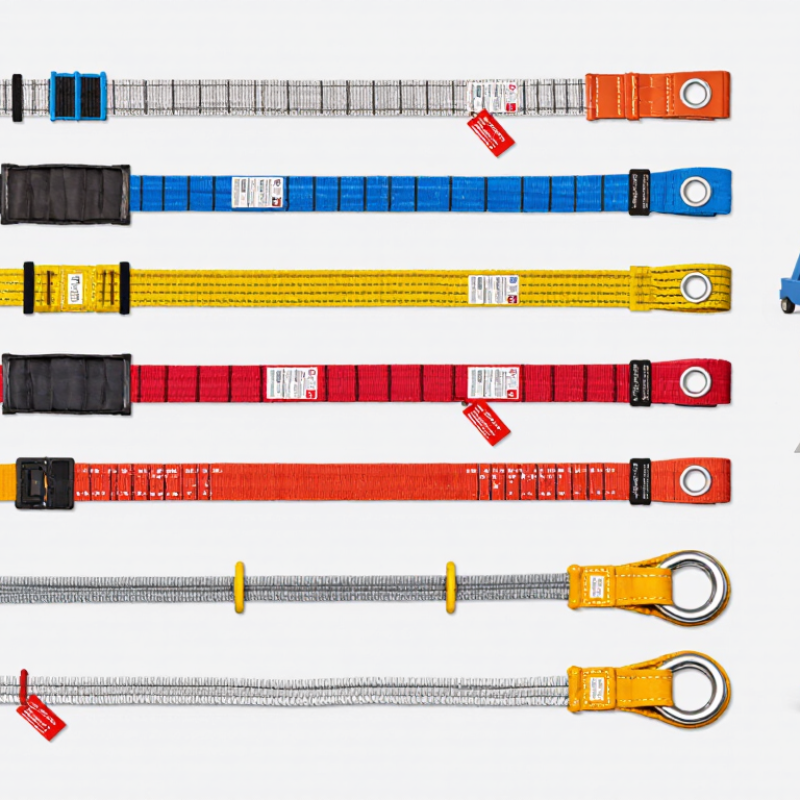
Choosing a nylon sling requires more than checking its color or price. Compare WLL, width, length, and end fittings together. A 25 mm flat eye-to-eye sling suits compact loads, while a 75 mm version spreads pressure across wider surfaces. Typical lengths range from 1 to 10 meters, but custom lengths are common. The marked WLL remains decisive.

An endless round sling bends smoothly around pipes and machinery. It often handles basket hitches efficiently, but abrasion can reduce its service life. A reverse-eye sling offers better contact with hooks. A choker sling holds cylindrical loads, although its WLL usually decreases in choker use.

Two-leg and four-leg bridle slings add lifting points, yet sling angles increase leg tension. Small angles are not harmless.

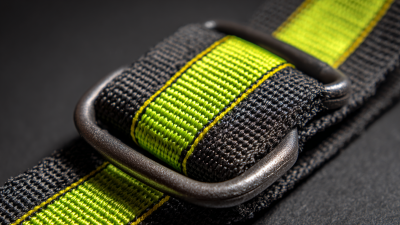
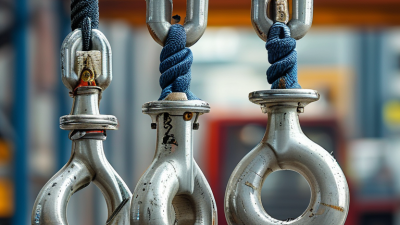
End fittings may include sewn eyes, protective sleeves, connecting links, or safety hooks. Hook openings must match the lifting point. Too narrow is risky. Width alone does not determine capacity. Stitching, nylon grade, hitch method, and angle all matter. I have seen buyers select a longer sling for convenience, then overlook edge protection. That choice needs reconsideration. Inspect tags, stitching, heat damage, cuts, and chemical exposure before each lift. Ask for test documentation and local compliance details when purchasing across borders.

Use EN 1492-1 Color Codes: 1–10 Ton WLL Identification

7 Best Nylon Sling Options for Global Buyers

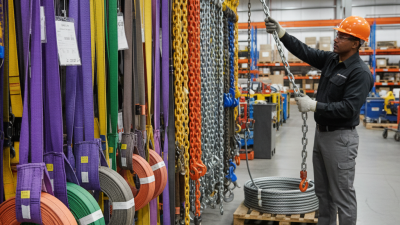
EN 1492-1 color codes make WLL identification faster on busy lifting sites. Purple indicates 1 ton, green 2 tons, yellow 3 tons, grey 4 tons, red 5 tons, brown 6 tons, blue 8 tons, and orange 10 tons. These ratings normally describe a straight vertical lift. Choker and basket configurations can change the permitted load. Sling angle matters too. A smaller angle can increase tension sharply. Color is only a starting point.

Experienced buyers should check the label, stitching, length, width, and manufacturing traceability before purchase. The ILO’s 2023 global estimates reported nearly 3 million work-related deaths annually, plus about 395 million non-fatal injuries. That wider safety data reinforces a practical point: lifting accessories need disciplined inspection, not visual confidence.

Look for cuts, melted fibers, crushed sections, chemical damage, and exposed core yarns. One weak area can invalidate the rated capacity. Sometimes, the label looks perfect. The sling is not.

Tips: Match the color to the WLL, then verify the actual lifting method. Use edge protection around sharp corners. Keep nylon away from excessive heat and damaging chemicals. Never drag a sling across concrete. Remove questionable slings from service and have a competent person assess them. EN 1492-1 guidance is useful, but local workplace rules may add requirements. Check both.

Assess Nylon’s Heat, Chemical, UV, and Moisture Resistance Limits

7 Best Nylon Sling Options for Global Buyers?

Nylon slings are flexible, lightweight, and gentle on painted loads. However, their performance changes with heat, chemicals, sunlight, and moisture. Continuous heat can soften nylon and reduce its working strength. Contact with hot surfaces deserves immediate attention. Strong acids and certain oxidizing chemicals can damage fibers quickly. Oils and mild alkalis are usually less troublesome, but compatibility should never be guessed.

Moisture is another practical concern. Nylon absorbs water, which may increase weight and reduce strength temporarily. A wet sling can also hide cuts, abrasion, or trapped chemicals. Ultraviolet exposure slowly weakens exposed fibers, especially in outdoor storage. The sling may look acceptable while its inner yarns deteriorate. That is an uncomfortable limitation. Appearance alone is not proof of safety. Buyers should request material details, working load limits, inspection guidance, and test records from qualified suppliers.

Tips: Match each sling to its heat and chemical environment. Keep it away from hot steel, acids, and prolonged sunlight. Dry wet slings naturally before storage; avoid direct heaters. Inspect edges, stitching, discoloration, stiffness, and melted areas before every lift. If damage or contamination is uncertain, remove the sling from service. A low purchase price is not a useful saving when operating conditions were misunderstood. Real lifting work is rarely perfect, so conservative selection matters.

Rank Global Options by Certification, Inspection, Cost, and Supply Risk

For global buyers, the best nylon sling is not always the cheapest. Rank 1 is the endless round sling for flexible lifting. Rank 2 is the eye-and-eye sling for controlled positioning. Rank 3 is the wide-body sling for fragile, broad loads. Rank 4 is the basket sling for stable support. Rank 5 is the choker sling for bundled materials. Rank 6 is the twin-path sling for balanced lifting. Rank 7 is the abrasion-resistant sleeve sling for rough work. The ranking changes with load shape, temperature, edge contact, and local inspection rules.

Certification should lead the comparison. Check working load limits, traceable labels, and test records against EN 1492-1 or ASME B30.9 requirements. ISO 4878 also provides a useful reference for textile sling construction. In practice, a certificate without matching batch records is weak evidence. It happens more often than buyers expect. Inspection should include cuts, melted fibers, chemical stains, distorted eyes, and unreadable tags. A competent person should inspect before use, with periodic examinations documented.

Cost needs a wider lens. Compare unit price, inspection labor, replacement frequency, freight, and customs delays. The World Bank’s Logistics Performance Index 2023 shows major differences in global shipment reliability. UNCTAD’s Review of Maritime Transport reports that more than 80% of world trade by volume moves by sea. That makes port disruption a real supply risk. Keep approved backup suppliers, spare inventory, and clear packaging requirements. A low quote can become expensive after one delayed shipment.

7 Best Nylon Sling Options for Global Buyers? – Rank Global Options by Certification, Inspection, Cost, and Supply Risk
Rank Nylon Sling Option Typical Configuration Used for Comparison Typical Working Load Limit Common Global Certification Route Inspection and Traceability Indicative Unit Cost Supply Risk Main Advantages Main Limitations Global Buyer Score
1 Endless Nylon Round Sling 2 m effective length; continuous loop; protective label and stitched identification tag 1–10 tonnes, depending on diameter, construction, and hitch configuration EN 1492-2; ASME B30.9; OSHA 1910.184 where applicable; supplier test certificate recommended Pre-use inspection before every lift; periodic examination by a competent person; batch number, WLL, length, material, and manufacturing date should be traceable US$12–95 per unit, excluding freight and taxes Low Flexible contact with loads; compact storage; suitable for vertical, basket, and choker arrangements; widely available Can be damaged by sharp edges, heat, chemicals, abrasion, and prolonged ultraviolet exposure; must not be twisted or overloaded 91/100
2 Eye-and-Eye Flat Nylon Web Sling 2 m long; 50–100 mm web width; reinforced flat eyes; single- or double-ply construction 1–6 tonnes in straight vertical lifting, depending on width, ply, and eye design EN 1492-1; ASME B30.9; WSTDA web sling guidance; OSHA 1910.184 for applicable US workplaces Inspection before use and after events such as overload, shock loading, or contact with chemicals; edge damage, cuts, burns, and broken stitching require removal from service US$10–70 per unit, excluding freight and taxes Low Easy to identify and position; economical for general lifting; broad international acceptance; simple to pack and ship Flat webbing is more vulnerable to edge cutting and localized abrasion than protected round constructions 89/100
3 Basket-Hitch Nylon Web Sling 2 m web sling used in basket configuration with load-supporting contact across the sling body 2–12 tonnes in basket configuration, subject to sling angle, load balance, and manufacturer-rated configuration EN 1492-1; ASME B30.9; rated capacity must be stated separately for vertical, choker, and basket use Check the full sling length, contact areas, stitching, identification label, and load angle before each use; periodic documented inspection is recommended US$14–85 per unit, excluding freight and taxes Low High capacity relative to sling weight; good load distribution; efficient for bundled, cylindrical, and irregular loads Capacity changes substantially with basket angle and load stability; the load can shift if the basket is not balanced 87/100
4 High-Capacity Double-Ply Nylon Web Sling 2–4 m length; wide double-ply webbing; reinforced eyes; optional wear sleeves 3–20 tonnes, depending on width, ply, eye construction, and hitch type EN 1492-1 or ASME B30.9; independent proof-load testing may be requested for engineered lifting projects Requires detailed examination of web layers, stitching, eyes, labels, and any protective cover; serial or batch traceability is strongly recommended US$35–220 per unit, excluding freight and taxes Medium High capacity with relatively low handling weight; suitable for heavy industrial and project cargo applications Longer production time and higher inspection requirements; concealed damage between layers can be difficult to detect 84/100
5 Protective-Sleeved Nylon Sling Endless or eye-to-eye sling fitted with replaceable abrasion, corner, or cut-resistant sleeves 1–15 tonnes, based on the underlying sling and the approved hitch configuration EN 1492-1 or EN 1492-2; ASME B30.9; sleeve material and compatibility should be documented separately Inspect both the protective sleeve and the load-bearing sling; the sleeve must not hide cuts, heat damage, chemical attack, or broken yarns US$25–180 per unit, excluding freight and taxes Medium Improves resistance to sharp corners and abrasion; reduces replacement frequency in demanding handling environments Higher purchase cost; a damaged sleeve can create a false impression of safety if the sling underneath is not inspected 82/100
6 Choker-Style Nylon Web Sling 2 m eye-and-eye sling configured around the load in a choker hitch with an approved eye design 0.8–5 tonnes in choker configuration; the rated capacity is normally lower than the straight vertical rating EN 1492-1; ASME B30.9; capacity must be selected from the applicable choker-rating table Check the choke point, eye contact area, stitching, and sling angle before every lift; never force the eye or use a knot to shorten the sling US$12–75 per unit, excluding freight and taxes Low Useful for controlling pipes, bundles, and elongated loads; low purchase cost; readily sourced in standard sizes Reduced capacity in choker use; possible load slippage; severe localized wear can occur at the choke point 80/100
7 Custom-Length or Multi-Leg Nylon Sling Assembly 2–6 m custom assembly; two, three, or four legs with master link and compatible end fittings 2–30 tonnes, depending on leg count, sling angle, fittings, and the weakest component EN 1492-1/2 with applicable lifting-accessory requirements; ASME B30.9; component certificates and assembly proof testing may be required Requires documented periodic examination of every leg, fitting, stitching area, master link, and identification plate; lifting-angle assessment is essential US$90–650 per assembly, excluding freight, testing, and taxes High Can be engineered for complex loads and repeatable lifting points; reduces handling time for standardized industrial operations Highest purchasing and documentation complexity; capacity decreases as leg angles increase; replacement components may have longer lead times 76/100
Buyer note: The cost ranges and working-load ranges are indicative market ranges for standard textile lifting products and are not quotations or universal ratings. Final selection must follow the manufacturer’s marked Working Load Limit, the applicable hitch and sling angle, load geometry, temperature, chemical exposure, edge protection, and local lifting regulations. Nylon slings should be removed from service when cuts, melted or glazed fibers, chemical damage, broken stitching, distorted fittings, missing identification, or other conditions affecting safety are found.