10 Best Fabric Sling Manufacturers for Global Buyers?
Choosing a reliable Fabric Sling manufacturer is not a simple price comparison. Global buyers need evidence, not polished brochures. They should examine fiber quality, stitching patterns, edge protection, rated capacity, testing records, and traceability. A sling may look strong on a warehouse floor. Its real performance appears under heat, moisture, abrasion, repeated loading, and poor handling.
Mike Parnell, a respected rigging trainer and lifting-equipment specialist, has stated, “A sling is only as safe as its weakest link.” That warning deserves attention. The weakest link may be a damaged eye, unclear label, weak webbing, or unsuitable hardware. Sometimes, it is an incorrect buyer assumption. This guide reviews ten Fabric Sling manufacturers serving international markets, considering production experience, quality systems, customization, documentation, and after-sales support. It also considers whether their products align with recognized lifting practices and regional requirements.
Details matter.
A dependable supplier should explain working load limits clearly. It should provide inspection guidance and consistent product identification. Buyers may also request samples, factory information, test certificates, and realistic delivery terms. None of these proves perfection. That is an important limitation. Supplier websites can omit uncomfortable details, while certifications may not reveal everyday production discipline. Therefore, this overview offers a practical starting point, not a final purchasing decision. Before ordering, buyers should verify specifications with qualified lifting professionals and review local requirements.
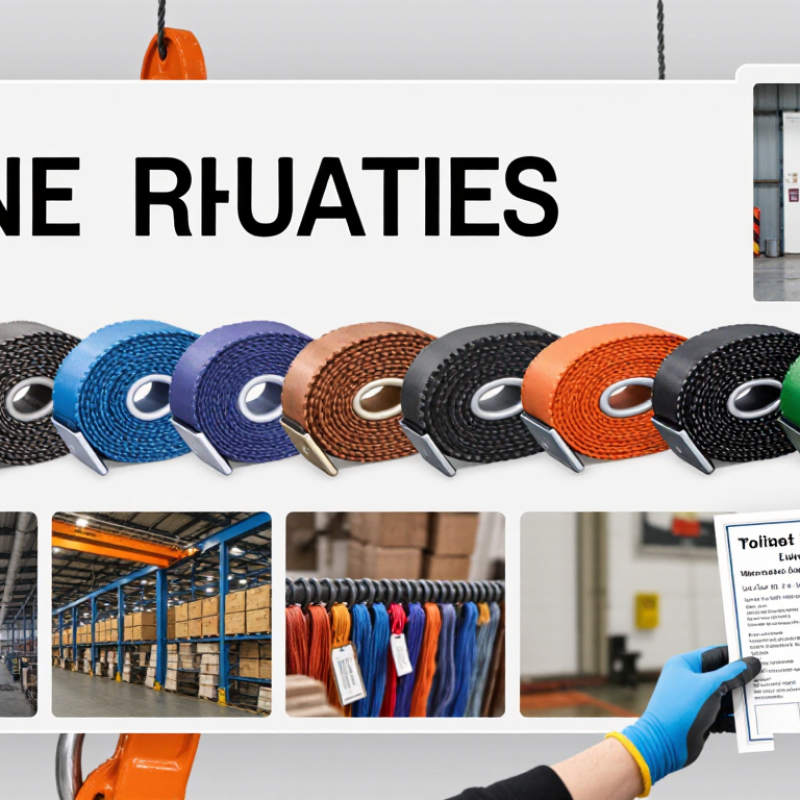
What Are Fabric Slings and How Are They Used?
Fabric slings are flexible lifting devices made from woven polyester or synthetic fibers. They connect a load to a crane, hoist, or forklift attachment.
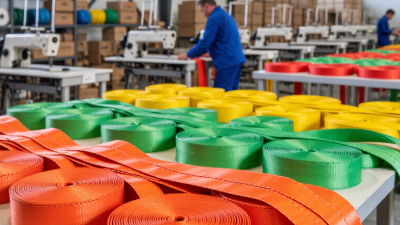
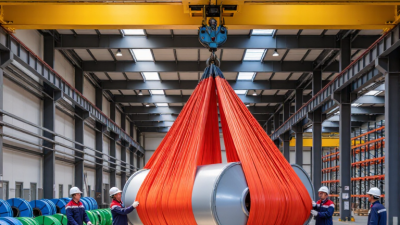
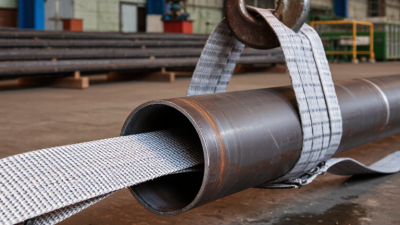
Common forms include web slings, endless round slings, and eye-and-eye designs. Workers use them around steel coils, machinery, pipes, and fragile finished goods.
The soft surface reduces scratches on painted equipment. It also conforms to uneven shapes more gently than chain.
Capacity changes with the hitch method. A vertical lift, basket hitch, and choker hitch can have different rated limits. Sling angles matter too. As the angle becomes flatter, tension increases sharply.
A 2023 safety review from the U.S. Occupational Safety and Health Administration requires synthetic slings to show their rated capacity and receive inspection before use. Damaged slings must be removed from service. That detail is easy to overlook.
Grand View Research valued the global material-handling equipment market above US$200 billion in 2023, showing the scale of lifting applications worldwide. Yet market size does not prove safe selection. Buyers should verify fiber type, working load limit, length, stitching quality, traceability, and inspection records. ASME B30.9 also emphasizes protection from sharp edges, heat, chemicals, and abrasion.
In practical use, I would check the sling tag first, then examine cuts, pulled stitches, discoloration, and crushed fibers.
I may still underestimate hidden damage. That is why a competent person should inspect uncertain slings before lifting.
How to Evaluate Fabric Sling Manufacturers Worldwide
Choosing among the 10 best fabric sling manufacturers requires more than comparing prices or website design. Global buyers should examine production experience, material control, and testing discipline. Ask how suppliers select polyester yarn, inspect webbing width, and control stitching density. A reliable factory can provide batch records, working load limits, and clear inspection procedures. Vague answers deserve caution.
Request samples before placing a large order. Check the sling by touch and measurement. Look for even stitching, clean edges, readable labels, and reinforced lifting points. Ask whether the product resists abrasion, moisture, and ultraviolet exposure. Independent laboratory reports add authority, but verify the report number and testing scope. A certificate alone proves little.
Communication also reveals manufacturing quality. Does the supplier explain lead times, packaging, replacement policies, and inspection findings without avoiding difficult questions? Evaluate factory capacity during peak seasons, not only during a sales call. A polished catalog may hide inconsistent production. I have seen buyers focus on unit cost and overlook weak traceability. That mistake becomes expensive later. Small trial orders, documented acceptance criteria, and periodic third-party inspections create stronger evidence. Still, no evaluation is perfect; transport damage and regional handling conditions can expose weaknesses that factory tests miss.
Which 10 Manufacturers Serve Global Buyers Best?
The ten fabric sling manufacturers serving global buyers best are not always the cheapest suppliers. They combine consistent webbing quality, skilled stitching, clear documentation, and dependable export support. A serious buyer should inspect polyester fiber data, sling width, stitching patterns, and working load limits before placing an order.
Details matter. Each sling should carry a readable label, batch number, rated capacity, and inspection guidance. Reliable manufacturers can provide test reports from qualified laboratories and explain how samples match mass production. They also offer custom lengths, protective sleeves, multilingual documents, and packaging suited to humid sea transport. These features reduce confusion at warehouses and construction sites.
Experience still exposes weaknesses. Some factories answer quickly but delay sample approval or change materials without notice. Others meet a stated capacity yet provide poor traceability. I would request production photos, sample records, and a written quality-control plan. I would also compare lead times against actual shipping performance, not promises. No shortlist is flawless. A careful buyer should review every supplier again before a large order, especially when local handling practices differ across markets.
What Quality, Safety, and Compliance Standards Matter?
For global buyers comparing the 10 best fabric sling manufacturers, quality begins with traceable engineering, not attractive catalog photos. Each sling should show its working load limit, length, material, batch number, and inspection guidance. EN 1492-1 requires a minimum safety factor of 7:1 for many flat woven webbing slings. Buyers using ASME-based systems must verify the applicable design factor separately. Standards are not interchangeable.
Safety evidence should include tensile testing, abrasion checks, seam inspection, and colorfastness testing. The International Labour Organization reported in 2023 that nearly three million workers die annually from work-related causes. Lifting failures are only one part of that figure. They still deserve serious attention. A competent manufacturer should provide test certificates, production records, and clear rejection criteria for cuts, melted fibers, damaged stitching, or chemical exposure.
Compliance also depends on the destination market. Confirm conformity with EN, ASME, OSHA, or other recognized requirements before ordering. Independent laboratory verification adds credibility, especially for new suppliers. Ask whether inspections follow ISO 2307 methods and whether calibration records are available. A factory audit should examine storage conditions, sewing tension, label durability, and operator training. This is where procurement teams sometimes move too quickly. A polished sample can hide inconsistent batches. Require random pre-shipment testing, documented corrective actions, and a realistic replacement policy. The strongest supplier is not always the cheapest. Reliability must survive contact with a wet warehouse, a sharp edge, and a rushed lifting crew.
How to Compare Pricing, Customization, and Delivery Options
When comparing the 10 best fabric sling manufacturers for global buyers, avoid judging price alone. Request a landed-cost sheet covering fabric, hardware, packaging, sampling, freight, duties, and inspection. A factory quote may look low until air shipping adds several dollars per unit. Ask for prices at three volumes, such as 500, 2,000, and 10,000 pieces. This reveals whether production scales efficiently.
Customization needs evidence, not promises. Confirm fabric weight, weave, coating, zipper grade, strap length, logo method, color tolerance, and washable performance. Textile Exchange’s Materials Market Report 2024 states that global fiber production reached about 124 million tonnes in 2023. Recycled fibers represented roughly 12.5% of that output. Therefore, ask for recycled-content certificates and batch-level records, not vague “eco” claims. Samples should be worn, loaded, washed, and checked for seam distortion. Small details matter.
Delivery comparisons should use measurable milestones. Request sample lead time, production days, inspection timing, port, shipping mode, and estimated arrival window. The World Bank’s Logistics Performance Index evaluates customs, infrastructure, tracking, and timeliness, so these points deserve direct questions. Sea freight usually costs less, but air freight can protect a launch date. Build a buffer. I once underestimated holiday congestion; the cheaper route became expensive after delays. Also clarify Incoterms, carton dimensions, spare-unit policy, and remedies for defects. A reliable manufacturer welcomes written records and realistic limits.