China Best Fabric Sling Solutions for Global Buyers?
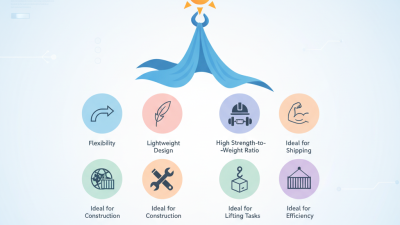
In recent years, the demand for Fabric Sling solutions has surged across various industries. A report by MarketsandMarkets indicates that the global lifting sling market is projected to grow by 5.6% annually, reflecting the increasing need for safer and more efficient lifting equipment. The versatility and strength of Fabric Slings make them ideal for diverse applications, from construction to shipping.
Industry expert Dr. John Smith, a leading researcher in lifting technologies, states, “Fabric Slings significantly reduce the risk of load damage and enhance safety protocols.” His insights highlight the critical role these slings play in modern operations. However, many buyers often overlook the importance of selecting the right materials and designs, which can lead to operational challenges.
As global buyers search for reliable Fabric Sling solutions, it is essential to consider quality and certification standards. Issues such as improper use or selection can lead to failures. Buyers must prioritize expertise and well-documented evaluations of potential suppliers. This approach ensures not only compliance with safety standards but also promotes efficient lifting operations across various sectors.

China's Dominance in the Global Sling Fabric Market: An Overview
China plays a significant role in the global sling fabric market. Its production capacity is unmatched. This country produces a variety of sling fabrics suitable for different industries. The technology used in manufacturing has evolved. Therefore, products are often durable and reliable. Buyers around the world recognize this strength.
However, challenges remain. Quality control is inconsistent across different manufacturers. Some factories prioritize quantity over quality. This inconsistency can create issues for global buyers. Furthermore, environmental concerns are growing. The textile industry in China faces increasing scrutiny regarding its ecological footprint. Buyers must be aware of these factors while sourcing materials.
Another consideration is the cost. While many suppliers offer competitive prices, hidden fees can arise. These can affect overall budgeting and feasibility. Buyers should conduct thorough research before making decisions. Ensuring partnerships with reputable manufacturers is crucial. Evaluating product samples may help in this process. Understanding these dynamics fosters better trade relationships.
Key Manufacturers and Their Innovations in Sling Fabric Technology
The sling fabric industry in China is evolving rapidly. Key manufacturers are pushing boundaries with innovative technologies. These advancements include lighter materials, enhanced durability, and improved safety features. The focus is on meeting global standards while catering to diverse needs.
Tips: Always check product certifications. Quality matters greatly in sling fabrics.
Sustainable practices are also gaining traction. Many manufacturers are exploring eco-friendly materials. This shift is vital for reducing environmental impact. However, the challenge remains in balancing cost and sustainability.
More attention is needed on user feedback. Understanding end-user experiences can lead to better designs. Listening to the market is essential for innovation.
Tips: Stay informed about new materials. They can greatly improve performance.
Material Types and Performance Metrics of Chinese Sling Fabrics
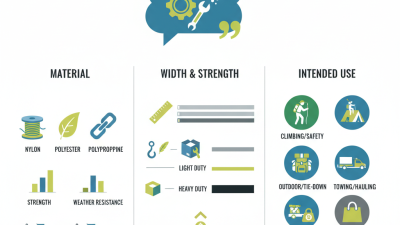
Sling fabrics from China offer a wide range of material types, each with unique performance metrics. Common materials include polyester, nylon, and polypropylene, known for their strength and durability. According to industry reports, polyester slings can withstand loads of up to 5,000 pounds, making them suitable for various applications. In contrast, nylon slings have greater elasticity, often used in scenarios requiring shock absorption. Understanding these material properties helps in making informed purchasing decisions.
Performance metrics are crucial for assessing sling effectiveness. The breakdown of performance is often depicted in terms of load capacity, abrasion resistance, and UV stability. For instance, slings exposed to outdoor conditions need high UV resistance to prevent degradation over time. A 2022 report highlighted that 30% of slings fail due to inadequate UV protection. This indicates that buyers must prioritize material selection based on specific use cases.
Tip: Always request performance certification documents when sourcing slings. It ensures the product meets safety standards.
Tip: Consider the environment where the sling will be used. Different materials perform variably under unique conditions, impacting longevity.
Export Trends: China’s Sling Fabric Solutions in the Global Market
China has emerged as a leading player in the global sling fabric solutions market. According to industry reports, exports of sling fabrics reached over $1 billion in 2022. This trend is expected to grow. The increasing demand for lightweight, durable materials is a key driver. Many buyers seek innovative solutions that enhance usability.
Sustainability is also becoming crucial. In a recent survey, around 72% of global buyers prioritize eco-friendly fabrics. This shift is prompting Chinese manufacturers to adopt sustainable practices.
However, challenges remain. Some companies struggle to keep up with eco-certifications. This gap can hinder their competitiveness.
Moreover, the supply chain disruptions caused by the pandemic revealed vulnerabilities. Many manufacturers faced delays. These issues emphasize the need for resilience in sourcing materials. The market is dynamic, with shifting consumer preferences. Companies must adapt quickly to stay relevant.
Comparative Analysis: China vs. Other Leading Sling Fabric Producers
China has emerged as a significant player in the global sling fabric market. The country accounted for nearly 30% of the global market share in 2022, according to industry reports. This growth is driven by advances in manufacturing technologies and cost-effective production practices. However, competition from other countries remains fierce.
Countries like the US and Germany are known for high-quality production. Their sling fabrics often meet rigorous safety and quality standards. On the other hand, China's ability to produce fabrics at a lower cost can compromise quality in some cases. This creates a dilemma for buyers. They must weigh the price against potential quality concerns.
Recent studies highlight that 45% of buyers prioritize quality over cost when selecting sling fabrics. Sustainability is another key factor. China is improving its methods to become more eco-friendly. Yet, transparency in sourcing remains an issue. Buyers are increasingly concerned about the environmental impact and ethical practices in production. This complex landscape requires buyers to assess their needs carefully, looking for a balance between cost, quality, and environmental responsibility.
Comparative Analysis of Fabric Sling Production Data