Leave Your Message

China Top 10 Synthetic Sling Manufacturers for Buyers

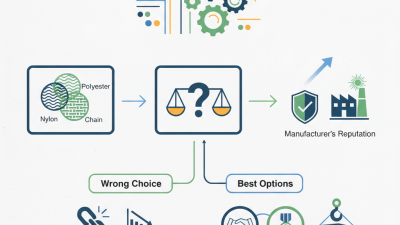
Choosing a Synthetic Sling manufacturer in China is not simply a price exercise. A sling may look sound on a warehouse floor, yet perform differently under heat, abrasion, repeated loading, or poor storage. Buyers need evidence about materials, stitching, rated capacity, inspection practices, and traceability—not polished product photos alone.

The U.S. Bureau of Labor Statistics reported 5,283 fatal work injuries in 2023 in its Census of Fatal Occupational Injuries. This figure covers workplaces broadly; it does not measure sling-related incidents. Still, it underlines why lifting equipment deserves careful evaluation. Grand View Research’s industrial lifting equipment market analysis also tracks demand shaped by manufacturing, construction, and logistics. Such market reports offer useful context, but they cannot verify an individual factory’s quality. Details matter.

This guide compares ten Chinese manufacturers through practical buyer questions: What product range do they make? Can they provide test records and consistent specifications? Do their certificates match the exact sling model being offered? Buyers should also examine lead times, customization, communication, and after-sales support. Standards such as EN 1492-1 and ASME B30.9 can help frame technical checks, though requirements vary by application and destination. A shortlist is only a starting point. Supplier claims still need independent review, and even a careful comparison can miss problems that appear after months of use.
China Top 10 Synthetic Sling Manufacturers for Buyers

What Synthetic Slings Are and Where Buyers Use Them

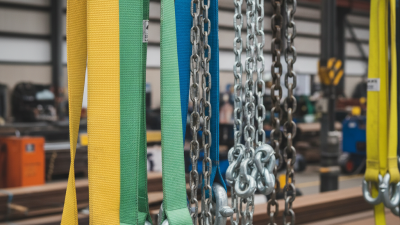
Synthetic slings are flexible lifting devices made from strong synthetic fibers, commonly woven into flat webbing or enclosed in a round protective cover. Their low weight makes them easier to carry and position than many chain or wire-rope alternatives. They can also cradle painted, polished, or delicate loads with less risk of scratching. That matters when moving machinery, finished furniture, pipes, or packaged equipment.

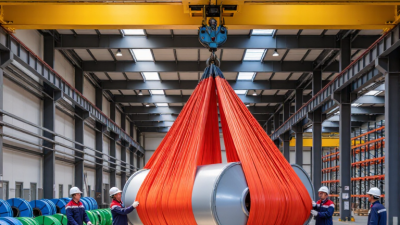
They are used on construction sites, in warehouses, manufacturing plants, and shipping yards. A crew might use a web sling to lift a steel component, or a round sling to handle a curved machine part. The right choice depends on load weight, shape, lifting method, and the sling’s rated capacity. Small details matter. Sharp edges can cut fibers, while heat, chemicals, and poor storage can weaken them. Check the identification label and inspect the sling before use; damage may be hard to spot beneath a cover. Synthetic slings are not a fit for every lift, and choosing one by appearance alone is a mistake worth avoiding.
How to Evaluate Synthetic Sling Manufacturers in China

China’s supplier list is broad, and a low quotation can hide important differences. Start by checking whether the factory controls webbing, sewing, inspection, and final testing. Ask for sling labels, rated-capacity charts, batch traceability, and sample inspection records. A neat certificate alone proves little.

The U.S. Bureau of Labor Statistics reported 1,075 fatal work injuries in construction in 2023. That figure is not sling-specific, but it underlines the need for reliable lifting equipment. Ask manufacturers to show test procedures aligned with applicable standards, such as EN 1492-1 or ASME B30.9. Request recent load-test records, including sling identification, test equipment calibration, and results. Then compare samples with the declared width, stitching pattern, and working load limit. Small details matter.

Inspect the sling in person when possible. Look for uneven stitching, frayed edges, unclear labels, and inconsistent dimensions. Ask how the factory handles rejected batches and material substitutions. A short video of production can help, but it cannot replace independent inspection. I would also check whether the supplier gives clear guidance on inspection, storage, and removal from service. Some factories may answer well but provide thin records; that deserves a second look. Verify claims before placing a large order.

China Top 10 Synthetic Sling Manufacturers for Buyers - How to Evaluate Synthetic Sling Manufacturers in China

Buyer evaluation framework: these ten weighted criteria help compare manufacturers using verifiable evidence; they are not a ranking of named companies.

No. Evaluation criterion What buyers should check Evidence to request Suggested weight
1 Applicable product standards Confirm the sling type and intended market requirements. EN 1492-1 covers flat woven webbing slings, EN 1492-2 covers roundslings, and ASME B30.9 addresses slings used in lifting. Current test reports and product documentation identifying the applicable standard, sling type, rated capacity, and configuration. 15%
2 Working load limit and labeling Check that the working load limit (WLL) is stated clearly for the sling and that any capacity changes by hitch type or configuration are documented. Do not treat breaking strength as the rated working capacity. Sample labels and datasheets showing WLL, sling type, material, length, and required identification or use information. 14%
3 Material and construction control Verify the specified fiber and construction are suitable for the application. Polyester is commonly used for synthetic lifting slings; material selection should also account for chemical exposure, temperature, abrasion, and moisture. Material specifications, incoming-material inspection records, construction details, and documented controls for webbing, core, cover, stitching, and fittings where applicable. 12%
4 Testing and inspection Understand how the manufacturer verifies product performance and inspects finished slings. Test methods and acceptance criteria should correspond to the applicable specification and product design. Relevant test reports, inspection procedures, equipment calibration records, and clear identification of the tested product or sample. 12%
5 Traceability and records Check whether each sling or production lot can be linked to its material inputs, inspection results, and production records. Traceability helps buyers investigate defects and manage recalls. Example batch or serial identification, a traceability workflow, and a sample quality record with commercially sensitive details removed. 10%
6 Quality management system Check whether documented procedures cover purchasing, production, inspection, nonconforming products, and corrective actions. ISO 9001 certification relates to a quality management system; it does not by itself certify a sling or prove its rated capacity. A current certificate, if claimed, with its scope and issuing body verified, plus relevant process records or audit evidence. 10%
7 Design and customization capability For non-standard lengths, widths, end fittings, or protective sleeves, confirm the supplier reviews the application and documents the final design and rated capacity rather than relying on an informal quotation alone. Approved drawings or specifications, design review records, and written confirmation of the final configuration and rating. 8%
8 Application guidance and safe-use information Check that instructions explain inspection before use, correct hitching, protection from sharp edges, and removal from service when damaged. Sling users should follow the applicable standard and the manufacturer's instructions. Written operating and inspection guidance, capacity information for intended configurations, and procedures for reporting product concerns. 7%
9 Order consistency and delivery controls Assess how the supplier controls approved specifications, production changes, order quantities, and delivery dates. Evaluate actual performance using trial orders and documented commitments rather than unverified capacity claims. A controlled order-confirmation process, change-notification procedure, and references or performance records that can be independently checked. 6%
10 Export documentation and communication Confirm that product descriptions, packing lists, labels, and shipping documents match the purchase specification and destination requirements. Clear technical communication is important when resolving specification questions. Redacted sample export documents, a communication contact for technical issues, and a written process for handling complaints or corrective actions. 6%
Total suggested evaluation weight 100%

Note: Confirm the current edition and applicability of each standard for the product and destination market. A certificate or test report should be checked for scope, validity, product coverage, and issuing organization.

Profiles of 10 Chinese Synthetic Sling Manufacturers

These profiles examine ten Chinese synthetic sling manufacturers through practical buying questions, not promotional claims. Each company’s product range matters: flat webbing slings, endless round slings, and lifting assemblies serve different jobs. Buyers should check rated capacity, sling length, material details, and stitching quality against the intended load and working conditions. Small details matter. A neat seam is useful, but it cannot replace documented testing.

The profiles also consider production controls, customization, export experience, and communication. Ask whether inspection records can be matched to individual batches, and whether labels remain readable after handling. Clear answers help; vague capacity claims deserve a closer look. Some suppliers may offer broad product catalogs, while others focus on particular constructions or order sizes. That distinction can affect lead times and consistency. No single checklist is enough. I would also compare sample workmanship with the specification, because written promises and delivered goods do not always align perfectly. These manufacturer profiles give buyers a starting point for careful comparison, not a substitute for verifying technical documents and application requirements.

How the Manufacturers Compare in Products and Capabilities

Comparing China’s synthetic sling manufacturers is less about headline capacity and more about product fit. Some focus on webbing slings, while others offer roundslings, endless loops, or made-to-length assemblies. Check available widths, lifting configurations, protective sleeves, and stated working-load limits. A broad catalogue can help, but it does not prove consistent production. Details matter. Ask whether the manufacturer can provide batch identification and test records for the exact sling type.

Tips: Request a sample with its label, stitching, and warning information intact. Compare these details with the drawing and quotation. Ask how the factory controls webbing strength, seam quality, and inspection records. Confirm which standards and test methods apply to your intended use. Do not assume one certificate covers every product.

Capabilities also differ in customization and communication. One supplier may handle short runs quickly; another may support repeat orders and documented change control. Ask about lead times, replacement procedures, and how design changes are approved. If possible, inspect production or arrange an independent inspection. Paperwork can look neat. Real handling is messier. A useful comparison weighs verifiable controls, product range, and after-sales responsiveness—not just price or maximum capacity. Review specifications and operating instructions before selecting a sling.

China Top 10 Synthetic Sling Manufacturers for Buyers — Product Capability Reference

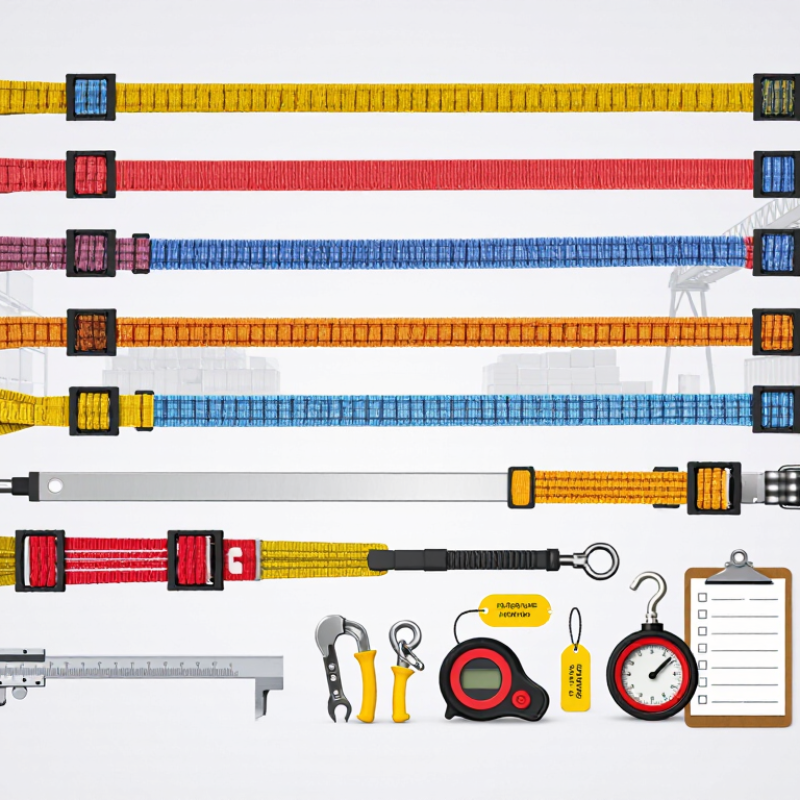
Standard working load limit (WLL) color codes for flat woven webbing slings under EN 1492-1

These standardized color codes provide a product-capability reference for comparing sling ranges. Orange indicates 10 tonnes or greater; it is plotted at 10 tonnes as the minimum shown. This is not a company-by-company ranking or a claim about any manufacturer’s product range. Always verify the sling label and applicable standard before use.

How Buyers Can Verify Suppliers and Manage Procurement

Choosing among China’s synthetic sling manufacturers requires more than comparing prices and catalogues. Ask each supplier for material specifications, rated capacity, product dimensions, and batch identification details. A clear answer should match across the quotation, sample label, and test documentation. Details matter.

Review test reports carefully. Check the product type, test date, and sample description, then confirm the report with its issuing laboratory when possible. Request recent production samples and inspect stitching, edge finishing, labels, and packaging. A factory visit or independent audit can help verify equipment, staff experience, and quality checks. One sample is useful, but it cannot prove every production batch will be identical.

Procurement planning should cover lead time, order quantities, inspection points, packaging, and procedures for handling defects. Put agreed specifications and acceptance criteria in writing before production begins. Keep records. Compare suppliers using the same checklist, not just the lowest quotation. A low price may reflect real efficiency, or a detail you have not checked yet. Even thorough checks have limits; production conditions can change, so consider arranging inspections for larger or repeat orders.