Best Webbing Sling Options for Safe Lifting Techniques?
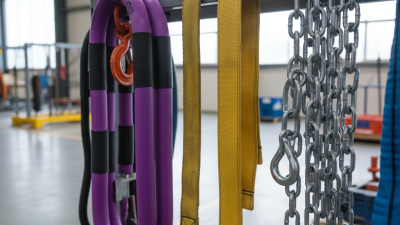
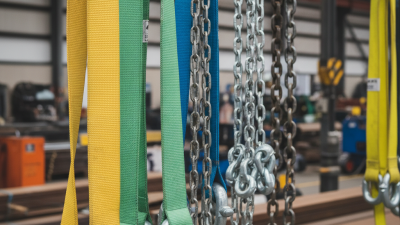
When it comes to safe lifting techniques, the choice of equipment is crucial. Webbing slings have gained popularity in various industries for their versatility and strength. These slings are made from durable materials, offering excellent load-bearing capabilities. They provide a secure, reliable solution for lifting heavy items.
Yet, not all webbing slings are created equal. It is essential to select the right type for your specific needs. Factors such as the lift's weight, environment, and load shape significantly impact safety and efficiency. Users often overlook these details, leading to potential hazards or equipment failures.
Choosing the best webbing sling option can feel overwhelming. With various styles and strengths available, making an informed decision is critical. Prioritizing quality and adhering to safety standards can prevent accidents. Investing time in understanding your options ensures safer operations, protecting both personnel and equipment.
Best Webbing Sling Materials: Strength and Durability Analysis
Choosing the right webbing sling material is crucial for ensuring safe lifting techniques. The most common materials used include nylon, polyester, and blended fabrics. Nylon slings have excellent elasticity, allowing them to absorb shocks during lifts. However, they can lose strength when exposed to UV light and moisture. This vulnerability makes them less ideal for outdoor applications.
Polyester, on the other hand, offers better resistance to environmental factors. It retains its strength when wet and has a lower stretch rate compared to nylon. This means more control during lifting operations. Blended fabrics combine the benefits of both materials, providing a balance between elasticity and durability. They are often used when versatility is needed.
When assessing the durability of webbing slings, it is essential to consider their wear and tear. Regular inspections can help identify any signs of fraying or degradation. Factors such as load conditions, lift height, and frequency of use all impact the lifespan of slings. While most materials provide a solid performance, users must remain vigilant. A minor oversight could lead to significant safety risks. Therefore, weighing the pros and cons of each material becomes an essential part of the decision-making process.
Understanding Load Capacities and Safety Factors in Webbing Slings
Webbing slings are critical for safe lifting in various industries. Understanding load capacities and safety factors is essential to prevent accidents. According to industry standards, the minimum safety factor for webbing slings should be at least 5:1. This means that the sling's rated capacity is five times its maximum working load. Engineers emphasize this ratio to account for potential variations in load distribution and environmental conditions.
Load capacities vary based on the type of webbing and its construction. For instance, nylon slings typically have higher stretch properties, while polyester webbing offers lower stretch and excellent abrasion resistance. Recent studies indicate that improper usage reduces a sling's effective capacity significantly. A common error is using a sling at an angle greater than 45 degrees. This can increase the load on the sling, leading to premature failure.
Regular inspection is vital for maintaining safety standards. Wear and tear can severely impact load-bearing capabilities. Data shows that slings in poor condition can lose up to 50% of their strength. Proper training for personnel is just as crucial. Knowledge of load capacities and inspection protocols reduces risks. A skilled worker is less likely to overlook the signs of damage.
Comparison of Different Webbing Sling Types for Lifting Applications
When it comes to lifting applications, choosing the right type of webbing sling is crucial for safety. Webbing slings are versatile and made from different materials. Each type has its own unique strengths and weaknesses. Polyester, for example, is popular for its resistance to abrasion and UV light. However, it can lose strength when exposed to chemicals. Consider the environment before making a decision.
Nylon slings offer excellent elasticity and shock absorption, making them suitable for dynamic loads. But they can be damaged by prolonged sun exposure, leading to a potential failure. Choosing the best webbing sling involves assessing both the load's nature and the working environment. These factors influence lifting techniques significantly.
It's essential to recognize that not all slings perform equally in every situation. Inadequate knowledge can lead to mistakes in choosing the wrong sling type. Testing different configurations and understanding their limitations is vital. Evaluate the risks involved thoroughly. Learning is part of the process, and reflecting on past lifting experiences can provide insights for improvement.
Industry Standards and Certifications for Webbing Slings Explained
Understanding industry standards and certifications for webbing slings is crucial for ensuring safe lifting techniques. Each sling type has specific ratings and uses. Familiarize yourself with ANSI and ASME guidelines; they set necessary safety standards for webbing slings. Compliance with these standards is a protective measure against accidents.
Choosing a certified webbing sling reduces risk. Look for slings made from high-tenacity nylon or polyester. These materials provide excellent strength and durability. Inspect slings for wear regularly. Even small signs of damage can significantly impact load safety. Certification labels offer essential details on capacity, usage, and inspection requirements.
It’s essential to know how environmental factors affect slings. UV exposure can weaken materials over time. Ensure slings are stored properly to avoid unnecessary damage. Maintaining a log of sling usage can help track their condition. Regular training for personnel in sling usage promotes safety and awareness. Always prioritize operational guidelines for safe lifting practices.
Maintenance and Inspection Guidelines for Safe Sling Usage
Maintaining webbing slings is crucial for safe lifting practices. Regular inspection is a must. Before each use, check for visible damage. Look for frayed edges, cuts, or discoloration. A small tear can lead to a major failure during lifting. Assess the stitching as well. If it looks worn or unraveling, the sling needs replacement.
Cleaning the slings is equally important. Dirt and grit can weaken the fibers over time. Use mild soap and water for cleaning. Avoid harsh chemicals that may damage the material. After cleaning, ensure the sling is fully dry before storing it. Store slings in a cool, dry place, away from direct sunlight and sharp objects.
Educating workers about proper sling usage cannot be overlooked. Everyone should understand how to use slings effectively. Misuse can lead to accidents. In some cases, operators might overlook best practices, thinking it won't happen to them. Encourage continual learning and awareness. Regular training sessions can help reinforce safe lifting techniques.