Leave Your Message

China Top 10 Nylon Sling Manufacturers for Global Buyers

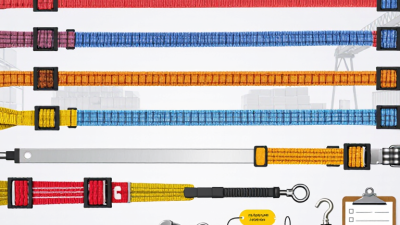
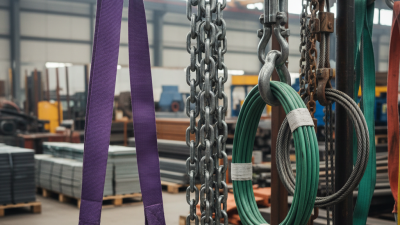
Nylon Sling products are widely used to lift machinery, steel bundles, timber, and palletized goods. Their low weight and flexible webbing make them practical on busy loading floors, where chains can be difficult to position. Yet appearance alone proves little. Buyers need to compare rated capacity, webbing construction, stitching, traceability, and inspection support.

Market research from Grand View Research on industrial lifting equipment and MarketsandMarkets’ lifting equipment market coverage reflects demand across construction, manufacturing, and logistics. These reports help explain why buyers assess suppliers beyond unit price. For a Nylon Sling, the practical details matter: clear working load limit labels, consistent color coding, and documentation that matches the product. EN 1492-1 is a relevant European standard for flat woven webbing slings; buyers should confirm the applicable requirements for their market and use.

This guide profiles ten Chinese manufacturers for global buyers, focusing on product range, manufacturing capability, quality controls, and export experience. It is not a substitute for supplier audits or application-specific engineering advice. A catalog can look convincing. Verification takes more work. Factory claims, certificates, and test records should be checked directly, because public information may be incomplete or outdated. That limitation matters, and it deserves attention before any purchasing decision.
China Top 10 Nylon Sling Manufacturers for Global Buyers

Nylon Sling Fundamentals: Polyamide Webbing, Stitching, and End Fittings

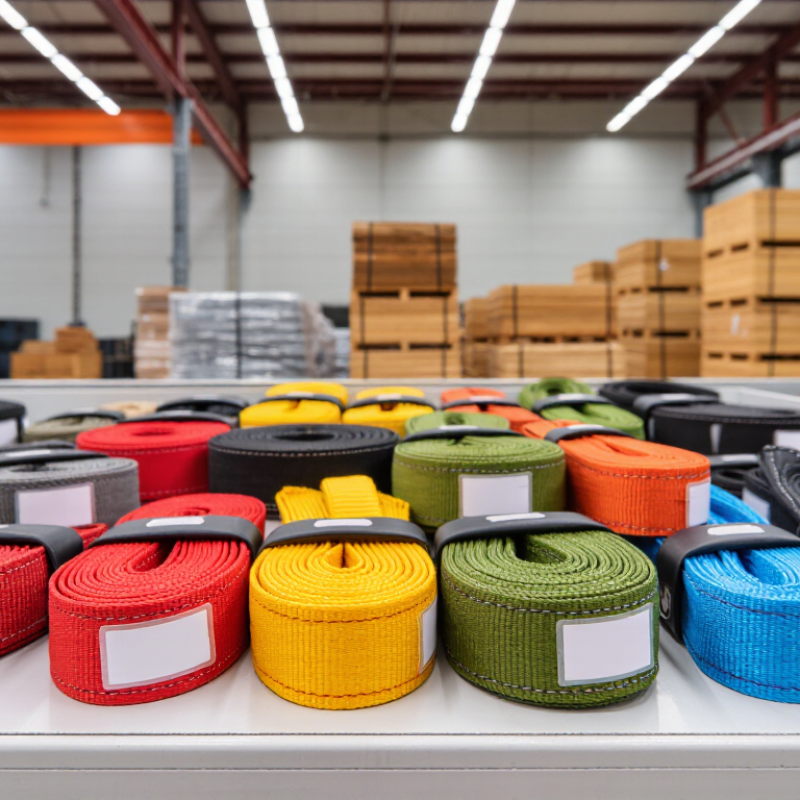
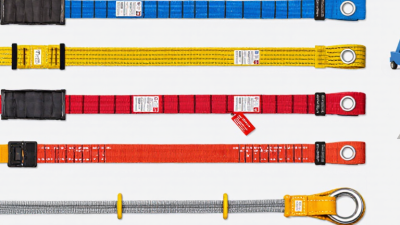
Nylon sling is made from polyamide webbing, valued for flexibility and shock absorption. It can stretch under load, which may soften sudden force but also affect positioning. Nylon absorbs moisture, so wet conditions can change its handling and performance. Small details matter. Color alone does not confirm capacity; check the sewn identification label and product documentation.

Webbing quality depends on yarn consistency, weave density, and edge finish. Look for cuts, pulled threads, glazing, chemical damage, or uneven thickness. Stitching matters just as much. Load-bearing seams should be uniform, tightly formed, and free from skipped stitches or loose tails. A tidy seam is reassuring, but appearance cannot replace documented testing and inspection. This distinction is easy to miss.

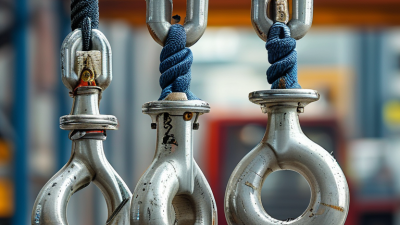
End fittings connect the sling to the load and lifting equipment. Common fittings include hooks, links, and rings, selected to suit the connection geometry and rated capacity. Check for deformation, cracks, corrosion, and sharp edges that could abrade the webbing. Fittings should sit naturally, without twisting or side loading. Match the sling assembly to its stated working load limit, and follow the supplier’s care and inspection instructions. A clean sling may still have hidden damage, so visual checks need a consistent process and competent judgment.
Working Load Limits: ASME B30.9’s 5:1 Design Factor for Synthetic Slings

For buyers comparing nylon sling manufacturers, the 5:1 design factor in ASME B30.9 is an essential specification, not a bonus capacity. The standard’s factor means a sling’s minimum breaking strength is at least five times its rated load under specified conditions. A sling rated for 1,000 kilograms is not intended to lift 5,000 kilograms. Not a permission slip. The Working Load Limit (WLL) remains the maximum rated load for the stated configuration.

That distinction is easy to blur when reviewing a product sheet. ASME B30.9 provides rated capacities by sling type and hitch; the actual capacity can change with the hitch and sling angle. Buyers should check that the manufacturer’s tags and documentation state the WLL clearly and identify the sling construction. Inspect the webbing, stitching, and eye sections before use. Cuts, chemical damage, heat exposure, or abrasion can compromise a sling even when its original design factor was adequate. The standard’s margin does not cancel damage. It also does not make shock loading or sharp edges safe. A practical supplier review should compare traceable test documentation with the stated WLL and inspection guidance. One detail still deserves thought: a large safety factor can look reassuring on paper, while real lifting conditions remain variable.

China Top 10 Nylon Sling Manufacturers for Global Buyers - Working Load Limits: ASME B30.9’s 5:1 Design Factor for Synthetic Slings

Use this checklist to evaluate suppliers without relying on unverified company rankings. Working Load Limits (WLLs) must be confirmed from the sling’s identification tag and manufacturer documentation for the specific product and hitch.

No. Buyer Evaluation Dimension Relevant Fact What to Verify with the Supplier
1 Design factor ASME B30.9 specifies a 5:1 design factor for synthetic web slings. Confirm the applicable standard edition and product-specific rated capacity documentation.
2 Meaning of the 5:1 factor A design factor is not an additional working-load allowance and does not authorize loading above the WLL. Check that the quoted WLL is clearly distinguished from breaking strength.
3 Sling configuration Vertical, choker, and basket hitches can have different rated capacities. Request a capacity chart for the exact sling type and hitch configuration.
4 Sling identification Synthetic web slings require identification that provides key information such as rated capacity and material. Review a sample tag and confirm it is durable, legible, and traceable to product records.
5 Nylon material suitability Nylon is affected by acids; chemical compatibility should be assessed before use. Ask for material-specific compatibility guidance for the chemicals and conditions at the job site.
6 Temperature limits Permitted temperature ranges depend on the sling material and applicable instructions; heat can affect synthetic fibers. Obtain the manufacturer’s stated service-temperature limits and any required capacity adjustments.
7 Edge and abrasion protection Sharp edges and abrasive contact can damage webbing and reduce sling strength. Confirm available protective sleeves or edge protection and follow the sling’s use instructions.
8 Inspection and removal from service Slings should be inspected as required by the applicable standard and removed from service when damaged or otherwise defective. Request inspection guidance, defect criteria, and product traceability information.
9 Dimensional and construction details Width, length, ply, fittings, and construction are product-specific and affect selection and fit. Match drawings and specifications to the actual lifting arrangement; do not infer WLL from dimensions alone.
10 Documentation and compliance Applicable requirements depend on the destination market, application, and governing regulations or standards. Verify certificates, test records, standard references, and export documentation for the order.

Always select and use a sling within its marked WLL and in accordance with the manufacturer’s instructions, ASME B30.9, and applicable local requirements. This checklist is for supplier evaluation and does not replace product-specific ratings or qualified lifting advice.

China’s Top 10 Nylon Sling Manufacturers: Products, Testing, and Export Markets

China’s nylon sling manufacturers serve buyers seeking lifting, towing, and cargo-securing products. Their ranges may include flat webbing slings, endless round slings, and protective sleeves. Differences often appear in webbing width, stitching density, edge finishing, and label clarity. Small details matter. A clear working-load limit and readable product label help crews select equipment and identify it during inspections.

Testing deserves more than a catalog claim. Buyers can request reports that match the sling type, rated capacity, and intended use. Ask how samples are selected, how production batches are recorded, and whether damaged or nonconforming items are separated. Review test methods and report dates, not just a certificate image. A polished brochure proves little on its own. I would also compare stitching and labels across several samples; one sample may not reflect every production run. That is an imperfect check, but still useful.

Export experience varies across suppliers serving Europe, North America, Southeast Asia, and the Middle East. Confirm packaging, lead times, documentation, and labeling before placing an order. A capable exporter should answer technical questions clearly and provide consistent batch records. Price matters, of course, but low quotes can hide differences in testing or material traceability. Ask for evidence.

Comparing Suppliers: Traceability, Certifications, Customization, and Quality Control

For global buyers comparing China’s nylon sling manufacturers, traceability should start with the yarn lot and continue through weaving, dyeing, and final inspection. Textile Exchange’s Materials Market Report 2024 estimates that global fiber production reached 124 million tonnes in 2023, with synthetic fibers making up about 71%. This broad market figure is not specific to slings, but it highlights why material records matter. Ask suppliers to link each sling’s batch number to its webbing and test records. Small details matter.

Certifications are useful only when their scope matches the product and intended use. Check whether the supplier can provide current certificates, test methods, and reports for the relevant sling standard, such as EN 1492-1 where applicable. For customization, confirm width, length, stitching pattern, labels, and color in a signed sample specification. Quality control should include documented breaking-strength tests and checks for uneven stitching, frayed edges, or inconsistent dimensions. A polished certificate alone proves little. Ask for proof.

Tips: Request a sample from the production line, not only a showroom sample. Compare its label, batch ID, and test report. One uncomfortable question worth asking: what happens when a batch fails? A clear answer matters.

China Nylon Sling Suppliers: Buyer Evaluation Checklist

A practical comparison framework for reviewing traceability, certifications, customization, and quality control.

Counts show suggested evidence items to request in each category—not supplier ratings, market data, or a ranking. Applicable documentation and testing can vary by sling type, destination market, and governing standard.

Global Buyer Checklist: Match Sling Capacity to Load, Hitch, and Conditions

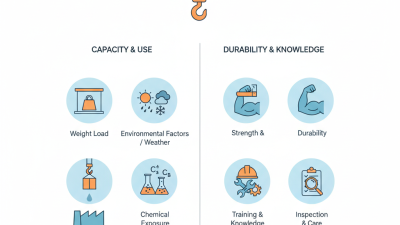
A nylon sling’s rated capacity is only a starting point. Before a lift, compare the load’s verified weight with the sling tag and planned hitch. A vertical, choker, and basket hitch can have different working limits; never assume the same rating applies. Check the load’s shape, balance, and lifting points, too. Small shifts matter.

For multi-leg arrangements, sling angle changes leg tension: flatter legs carry more force. Use the manufacturer’s load chart for the exact angle and configuration, rather than estimating by eye. A sharp steel edge can cut webbing, so place suitable edge protection before tensioning. Keep the sling clear of knots, twists, and pinch points. That sounds obvious, but rushed setups miss it.

Heat, sunlight, moisture, and chemical contact can affect nylon; check product guidance for the actual exposure. Inspect stitching, labels, and webbing for cuts, glazing, pulled fibers, or unreadable identification. Remove questionable slings from service and ask a qualified person to assess them. Color is not a capacity check. Records help, though they do not replace a hands-on inspection.