What Are Ratchet Straps and How Do They Work?
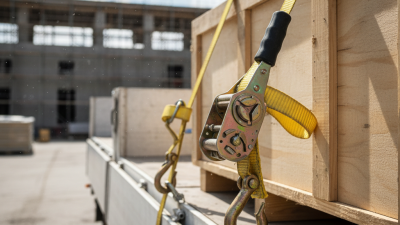
Ratchet Straps are among the most practical tools for securing motorcycles, furniture, equipment, and boxed cargo during transport. They combine woven webbing, a tensioning handle, and hooks or fittings at both ends. Pull the loose end through the ratchet spindle, then pump the handle. Each movement winds the webbing tighter and holds tension through a locking mechanism. The result feels simple in your hands. It is not casual work.
A reliable explanation must cover more than tightening. Strap strength, working load limits, hook design, webbing condition, and anchor points all affect performance. A strap can look strong yet fail when its fibers are cut, contaminated, twisted, or exposed to sharp edges. Correct routing matters too. The webbing should lie flat, with tension spread across a stable contact area. Experienced users inspect labels, stitching, hardware, and the load before every trip. They also recheck tension after movement, vibration, or weather changes. Small details matter.
Still, ratchet tension is not a guarantee of safety. Over-tightening may damage delicate cargo or strain anchor points. Under-tightening allows shifting. That balance requires judgment, not force. This guide explains how Ratchet Straps work, how to use them responsibly, and which common assumptions deserve a second look. The goal is practical confidence: secure cargo, sound equipment, and fewer unpleasant surprises on the road.
What Are Ratchet Straps and What Are Their Main Components?
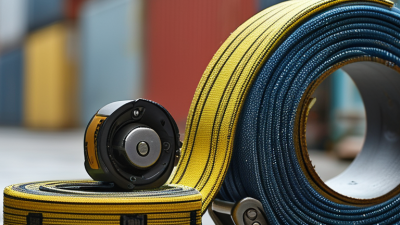
Ratchet straps are webbing tie-downs designed to hold cargo against a trailer bed, roof rack, or transport platform. Their main components are simple but highly dependent on one another. The polyester webbing provides the load-bearing surface. A ratchet handle rotates a slotted spool, pulling the loose webbing tight. The axle, teeth, and pawl control that rotation. A release lever disengages the pawl when unloading. End fittings, such as hooks or loops, connect the strap to approved anchor points.
The process is mechanical, not mysterious. The operator threads the webbing through the spool, then pumps the handle. Each stroke winds more material around the axle and increases tension. A properly engaged pawl prevents the handle from opening under normal vibration. The webbing should lie flat, without twists, cuts, melted fibers, or crushed edges. Small details matter. A strap can look tight and still be poorly anchored. I have seen users over-tighten short straps, damaging the webbing while leaving the cargo unstable.
The 2023 Commercial Vehicle Safety Alliance International Roadcheck report listed cargo securement at 7.5% of vehicle out-of-service violations. That figure shows why component condition deserves practical attention. WSTDA tie-down guidance also emphasizes rated capacity, compatible fittings, and inspection before use. Working load limits are not the same as breaking strength. Never treat a higher number as permission to exceed the anchor point’s rating. This is where many explanations become too neat: tension depends on angle, friction, load shape, and restraint direction.
What Are Ratchet Straps and How Do They Work?
What Are Ratchet Straps and What Are Their Main Components?
Ratchet straps are webbing tie-downs used to secure cargo during transport. A typical system includes a polyester webbing strap, ratchet handle, spool, release lever, axle, end fittings, and protective stitching.
The ratchet handle turns the spool and winds the webbing, creating tension around the load. The pawl and toothed gear prevent the spool from unwinding until the release lever is operated. The chart shows representative minimum breaking-strength ranges commonly associated with different webbing widths. Actual performance depends on the webbing material, stitching, hardware, configuration, and applicable safety standard.
How Does a Ratchet Strap Secure and Tighten a Load?
What Are Ratchet Straps and How Do They Work?
How Does a Ratchet Strap Secure and Tighten a Load?
A ratchet strap uses woven webbing, a metal axle, and a hinged handle to hold cargo firmly. The strap passes around the load and connects to secure anchor points. Its flat webbing spreads pressure across a wider area than thin rope. This helps reduce shifting during transport.
To tighten it, thread the loose end through the axle slot. Pull the webbing until little slack remains. Then pump the handle back and forth. Each movement turns the axle and winds the strap tighter. The ratchet teeth prevent the axle from rotating backward. Stop when the load feels stable, not when the handle becomes difficult to move. Too much force can damage the strap, cargo, or anchor point.
Close the handle completely so the locking mechanism engages. Secure the remaining tail against flapping. A common field mistake is leaving twists in the webbing. Remove them before tensioning. Twisted straps can create uneven pressure and may wear faster. Inspect the fabric, stitching, hooks, and axle before every use. Look for cuts, melted fibers, rust, or bent hardware. Do not use damaged equipment. Check the strap’s rated capacity and the anchor strength, because the strongest strap cannot compensate for a weak attachment point. Recheck the tension after a short distance; vibration can loosen an imperfect setup.
Which Types of Ratchet Straps Are Available?
Ratchet straps come in several types, and their differences matter more than their bright webbing. Standard flat-hook straps suit pallets, machinery, and boxed cargo with anchor points. Wire-hook versions fit narrow rails and recessed loops. Chain-end ratchet straps handle rough steel edges and heavier industrial loads, but they can mark painted surfaces. Endless-loop straps wrap around bundles or posts without fixed hooks. Axle straps use soft loops around vehicle axles, reducing contact damage.
Cam-buckle straps are also available, although they are not true ratchet straps. They work well for lighter loads and quick adjustment. For motorcycles, kayaks, and furniture, this simpler design often prevents over-tightening. The U.S. Federal Motor Carrier Safety Administration states that cargo securement should resist 0.8 g forward force and 0.5 g rearward and sideways force. That figure is a useful selection reference, not a substitute for checking load weight.
Working load limit depends on webbing width, stitching, hooks, and the complete assembly. The Web Sling and Tie Down Association recommends evaluating the entire tie-down system, not only the strap label. A 2-inch strap is not automatically safer. Inspect cuts, melted fibers, bent hooks, and damaged ratchets before use. The choice can still feel imperfect: a strong chain-end strap may be excessive for delicate cargo, while a soft loop may fail when sharp edges are ignored. Secure the load, then recheck tension after movement.
How to Inspect, Maintain, and Store Ratchet Straps?
Ratchet straps secure cargo by tightening webbing around a load. The ratchet handle winds the strap through its axle, creating tension. Release the handle, and the locking mechanism holds that tension in place. A strap may feel strong, yet hidden damage can reduce its working capacity.
Inspect every strap before use. Look for cuts, melted fibers, heavy abrasion, chemical stains, distorted hooks, and a bent ratchet frame. Pay close attention to the first 30 centimeters near the hardware. This area often receives the most stress. The FMCSA Cargo Securement Handbook uses 0.8 g forward force and 0.5 g sideways or rearward force in its securement guidance. Your restraint system must match the cargo, attachment points, and working load limit. Never rely on appearance alone. I have found that a clean strap can still feel unusually stiff, which deserves a closer check.
Tips: Keep webbing dry, clean, and away from sharp edges. Do not drag it across concrete. Wash light dirt with mild soap, then air-dry it completely. Avoid heat, solvents, and improvised repairs. Store straps loosely coiled in a cool, shaded cabinet. Keep ratchets closed, but do not crush the webbing under heavy tools. Record damaged straps and remove them from service. Small notes help, although inspection records are easy to neglect. Recheck tension after the load has traveled a short distance. Temperature, vibration, and settling can change it.