Leave Your Message


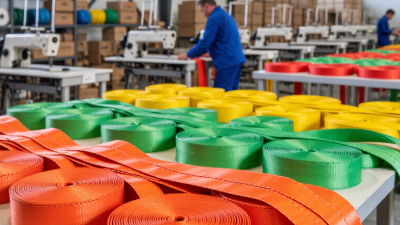
Choosing among the best Webbing Sling manufacturers in China takes more than comparing prices or polished catalogs. Buyers should examine the details that matter under load: webbing material, stitching quality, edge finish, identification labels, rated capacity, and batch traceability. Ask how products are tested and what documentation accompanies each shipment. A clear answer is useful. A vague one deserves a closer look.
A Webbing Sling may look simple on a warehouse floor, but its performance depends on controlled materials and consistent production. Request samples, inspect the seams, and check that product markings match the technical documents. Also ask how the manufacturer handles inspection and customer feedback. Small gaps can occur; no supplier should be treated as perfect without evidence. For transparency, this article uses a fictional composite technical voice, Wei Chen, rather than presenting an unverifiable real-person quotation. Chen’s editorial reminder is: “A sling earns trust through traceable materials, sound stitching, and honest testing—not appearance alone.” The comparison that follows considers manufacturing capability, quality controls, product range, communication, and after-sales support. These points help buyers build a shortlist, not replace independent verification.
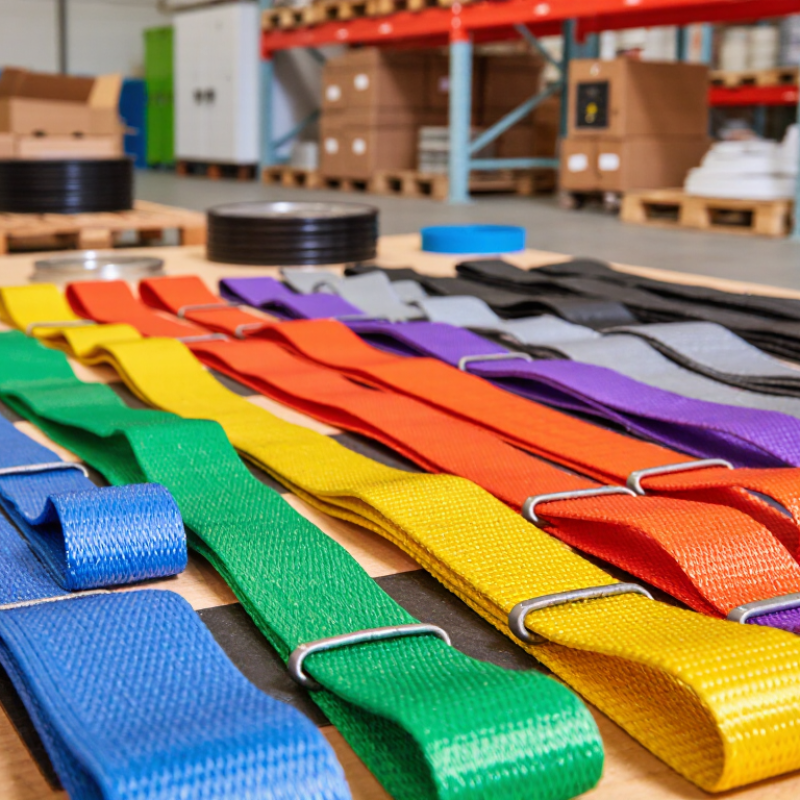
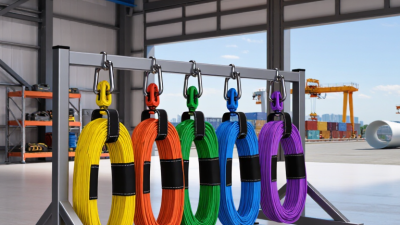
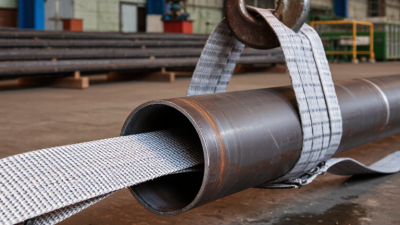
Webbing slings are flexible lifting straps made from woven synthetic fibers, commonly polyester. They connect a load to a crane or hoist, spreading contact across a wider area than a chain. That helps when lifting painted machinery, bundled pipes, or equipment with smooth surfaces. Polyester is widely available: Textile Exchange’s Materials Market Report 2023 estimates it made up 57% of global fiber production in 2022. This figure describes fiber production, not sling sales, but it helps explain why polyester is common in lifting products.
You’ll see webbing slings in warehouses, construction sites, workshops, and ports. They are useful for loads that need a softer contact surface, but they are not foolproof. Sharp edges can cut the webbing, and chemicals, heat, or abrasion can weaken it. Capacity also changes with the hitch, sling angle, and load shape. Check the sling’s identification tag and follow the manufacturer’s rated capacity and applicable lifting guidance, such as ASME B30.9. A worn strap can look acceptable at a glance.
Tips: Inspect the full length before each use. Look for cuts, frayed stitching, melted fibers, damaged tags, and discoloration. Protect the sling from sharp edges, and remove it from service if damage or its history is uncertain. Don’t guess the load.
| Category | Typical Information | What Buyers Should Check | Common Uses |
|---|---|---|---|
| What a webbing sling is | A flexible lifting sling made from woven synthetic webbing, usually supplied as an endless sling or with formed eyes. | Confirm the sling’s rated capacity, construction, length, identification label, and intended lifting method. | Lifting and positioning loads where a flexible, relatively lightweight connection is useful. |
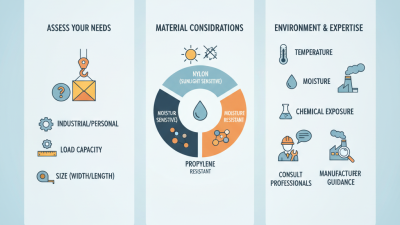
| Common materials | Polyester and nylon are widely used. Material properties and suitability vary by product and operating conditions. | Ask for material specifications and guidance on compatibility with chemicals, moisture, temperature, and the load. | General industrial, construction, warehousing, and transport lifting, subject to the sling’s specifications. |
| Sling construction | Common forms include flat webbing slings with eyes and endless webbing slings. Eye protection or wear sleeves may be available. | Check stitching, edge finish, eye design, protective features, and whether the construction suits the load and rigging arrangement. | Flat slings can provide broad contact; endless slings offer flexible hitching options. Selection depends on the load and lift plan. |
| Rated capacity and configuration | Working load limit (WLL) depends on the sling’s rating and the hitch, number of legs, and lifting geometry. | Use the marked WLL and manufacturer’s instructions. Do not assume the same capacity applies to every hitch or sling angle. | Straight, basket, and choker arrangements may have different rated capacities; follow applicable lifting guidance. |
| Standards and documentation | EN 1492-1 covers flat woven webbing slings made of man-made fibres. ASME B30.9 addresses slings used in lifting applications. | Verify which standards and market requirements apply. Request relevant test records, certificates, instructions, and traceability information. | Supports appropriate selection, use, and inspection in industrial lifting operations. |
| Typical applications | Examples include handling equipment, packaged goods, building materials, and components with surfaces that need careful contact. | Assess load weight, shape, edges, centre of gravity, environment, and the possibility of abrasion or cutting. | Construction sites, manufacturing plants, logistics facilities, shipyards, and maintenance work. |
| Inspection and service life | Slings require inspection before use and should be removed from service when damage or illegible identification makes safe use uncertain. | Check for cuts, tears, damaged stitching, abrasion, heat or chemical damage, and missing or unreadable labels. Follow applicable rules and manufacturer instructions. | Routine inspection helps identify damage before a sling is used for a lift. |
| Evaluating manufacturers in China | A suitable supplier should be able to explain its product range, materials, production controls, testing, and documentation. | Compare traceability, quality-control procedures, sample and test documentation, customization capability, communication, and export support. | Use these criteria to assess suppliers for the intended load, operating conditions, and destination-market requirements. |
Important: Always select, use, and inspect webbing slings according to their identification labels, manufacturer instructions, lift plan, and applicable local regulations. Never exceed the rated capacity.